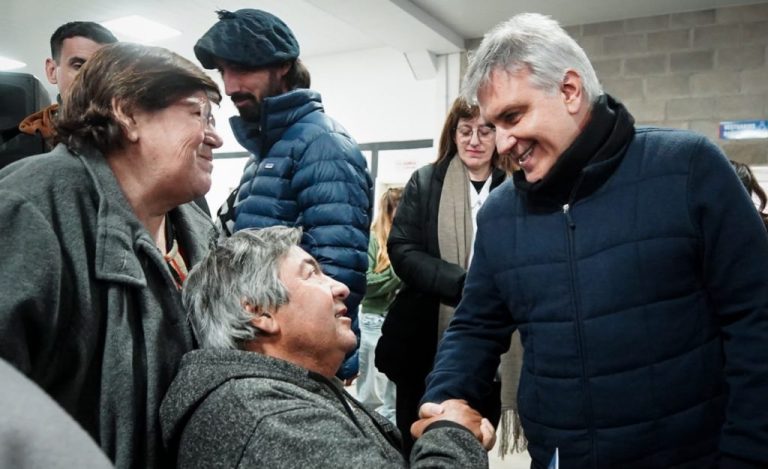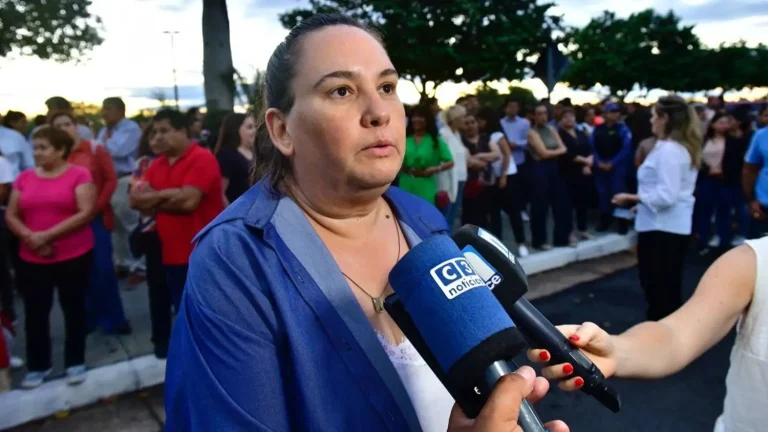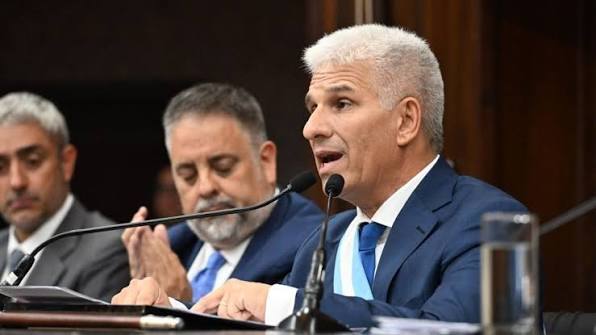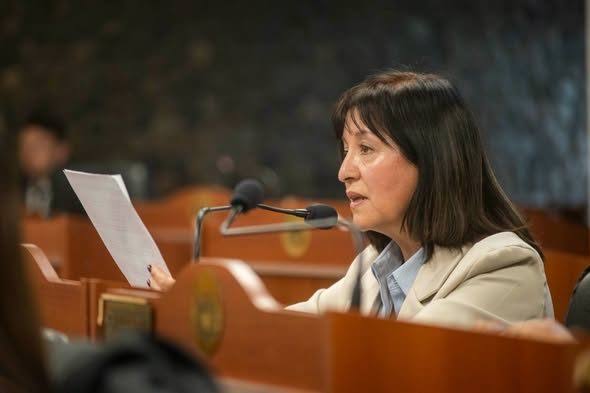
Provincial Senator María Elena Lagoria questioned the impact of electricity rate increases on the homes and businesses of Catamarca. The legislator for Santa María made her statements after participating with Governor Raúl Jalil and local authorities in the inauguration of a bridge over the Santa María River and in a tour of the department.
Lagoria related the situation of her district to the complaint made days earlier by neighbors of Belén. She stated that the bills arrive with increases in an adverse economic context and that families are finding growing difficulties in maintaining their usual expenses. Her intervention described a political and territorial perception, but it did not include a household survey or a comparison of bills.
The senator attributed the problem to decisions by the national government and stated that those policies harmed the social fabric. She also affirmed that provincial representatives must intervene so that families can live with dignity. The statement establishes a position regarding Javier Milei's economic program, but it does not by itself show which component explains each tariff variation.
An electricity bill can include the wholesale price of energy, transmission, distribution, taxes, fees, and subsidy mechanisms. The information released did not break down these elements, did not indicate the percentage of increase observed in Santa María, nor did it compare user categories. For that reason, the material scope of the criticism cannot be quantified from the available statements.
Lagoria defended the presence of the provincial State through subsidies and initiatives to support vulnerable sectors. However, he did not specify which program is currently in force, how much the Province contributes, how many users are covered, or what conditions they must meet. He also did not announce a budget increase, a bill, or legal action against the tariff schedules.
The proposal brings to the provincial agenda the distributive effect of energy and the capacity of Catamarca to respond to national decisions. Its evaluation will require data on consumption, income, subsidies, and the composition of bills. Until concrete instruments are presented, the intervention should be understood as a political critique and general support for provincial assistance, not as a new policy already implemented.