The Índice de Producción Industrial Minero recorded in June a year-on-year increase of 11,4% and accumulated growth of 8,4% during the first half of 2026. Compared to May, the seasonally adjusted series rose 1,7% and the trend-cycle increased 0,8%. The indicator combines mining and hydrocarbons, so the result does not exclusively describe the extraction of metallic minerals or lithium.
Crude oil was one of the main drivers: it increased 16,3% year-on-year in June and 17,4% in the six-month cumulative. The difference by extraction method was wide. Unconventional oil grew 32,2%, while conventional production fell 9%. In natural gas, the total barely advanced 0,2%; the unconventional segment rose 6,3% and partially offset a decline of 11,7% in conventional fields.
Non-metallic minerals and application rocks grew by 46,8% compared to June of 2025. Within that group, lithium carbonate production increased by 59,1% and reached 11.987,1 tons during the month, a new maximum. Salt extraction expanded by 124,7%, mainly explained by the increase in brine or saturated salt solution.
Metal mining had a more moderate evolution, of 1,3% year-on-year. Silver, gold, and their concentrate production increased by 7,7%, while gold bullion retreated by 17,4%. Fracturing sands, linked to unconventional activity, grew by 19,6% due to higher demand from hydraulic fracturing operations.
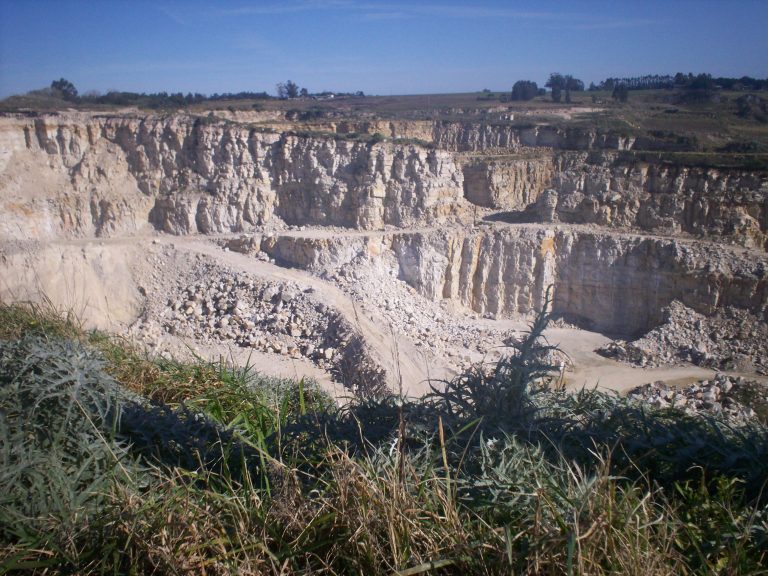
Overall progress coexisted with sectors in decline. Ornamental stones fell 21,1%, affected by a contraction of 95,1% in flagstone. The extraction of limestone and gypsum decreased 12,4%, and clinker fell 29,6%. Support services for oil and gas declined 1,6% in June and accumulated a much larger drop of 15,3% during the first six months.
The chart shows a concentrated expansion in energy and strategic resources. Unconventional oil and gas, the lithium carbonate record, and salt offset declines in traditional activities and services. Therefore, 11,4% does not represent a homogeneous improvement in all of Argentine mining: the next monitoring should observe whether the lagging segments recover or if the internal gap continues to widen.