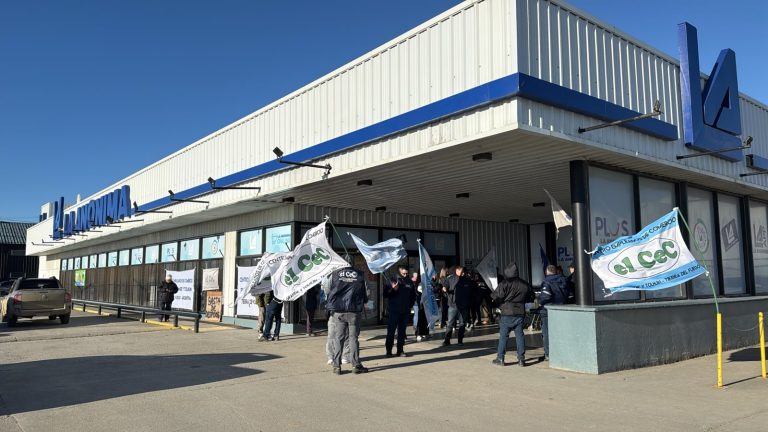
Tierra del Fuego's industry reached June with 6,570 direct jobs, 32.5% fewer than in the same month of 2025. The scale of the year-on-year fall contrasts with a much steadier short-term figure: employment declined only 0.4% from May in seasonally adjusted terms. That difference separates a monthly pause from a recovery that has not yet taken place.
Electronics remains at the center of the system. The sector employs 5,039 workers, equal to 77% of the industrial jobs registered under the subregime. Given that share, every variation in the volume of electronic goods passes directly through to the province's factory labor market as a whole.
June produced favorable signs within that core. Electronics added 139 net jobs and made about 652,000 units, 12% more than in May. Both figures show a reaction after the severe adjustment experienced through 2025 and the opening months of 2026, but they are not yet enough to describe a consolidated change in trend.
The longer comparison returns a much weaker picture. June electronics output was 44% below the same month last year, while accumulated 2026 production remained 37% under the corresponding period of 2025. The monthly improvement therefore starts from a depressed level: production lines can make more than in May without recovering the volume that supported jobs a year earlier.
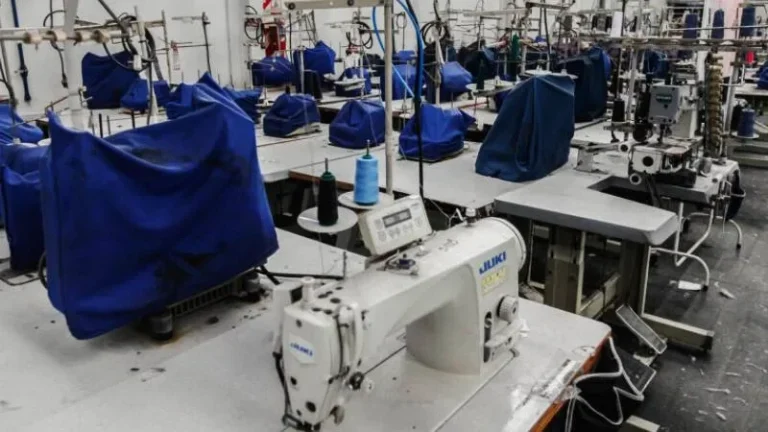
Outside electronics, results were also uneven. Garment manufacturing increased fabric production by 5% and household linen by 31% from the previous month, although year-on-year and year-to-date comparisons remained recessionary. In plastics, PVC and polyethylene compounds grew 3.3% in the first half, while packaging, caps and PET preforms declined 4.7%.
The loss takes on another scale in the historical series. The subregime exceeded 12,800 direct jobs in 2021; the current 6,570 are virtually half of that peak. The decline combines the effects of a contracting domestic market, lower output and the corporate restructurings accumulated over recent years.
That trajectory prevents stability from being confused with recovery. A small monthly change may indicate that the adjustment has stopped accelerating, but employment remains one third below last year and far from the 2021 level. To reverse the gap, isolated improvements must continue for several months and move from higher unit production into permanent hiring.
The next test will therefore have two parts. New data must show whether the 139 electronics jobs remain and whether the output increase can narrow year-on-year declines. Until that happens, June will stand as a month of partial relief within an industry that has not recovered either the activity level or the employment capacity it lost.