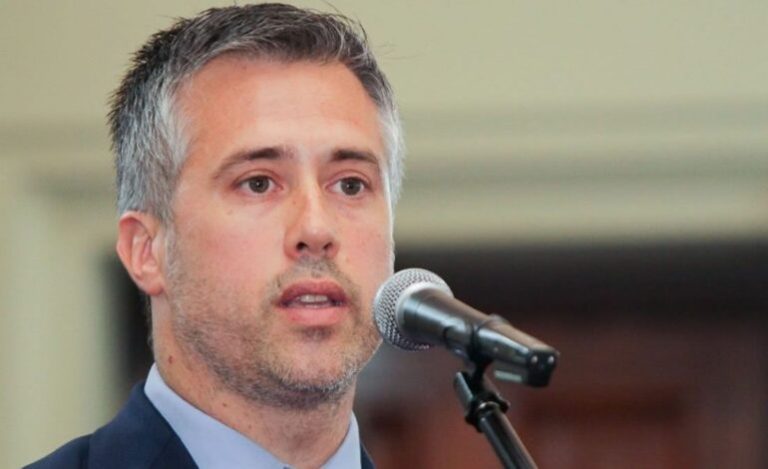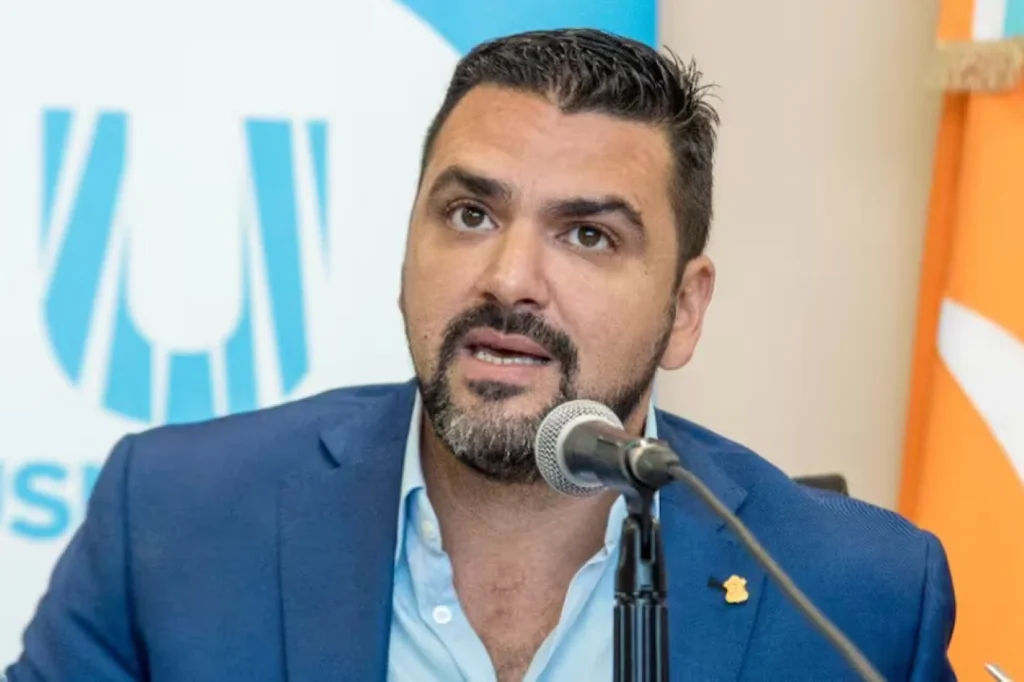
The mayor of Ushuaia, Walter Vuoto, publicly asked Mirgor to reinstate the workers affected by dismissals and to open a good-faith negotiation. He did so through an open letter related to the labor dispute in Tierra del Fuego. His intervention expresses a political position and a demand towards the company. The available information does not include a complete response from Mirgor nor an administrative or judicial ruling that has ordered the reinstatements.
Vuoto stated that the company's development was associated with the Fuegian industrial promotion regime, public benefits, and the work accumulated over the years by its staff. Based on that relationship, he argued that the company has a special responsibility to the community. It is an interpretation about economic and social reciprocity. To measure it accurately, tax benefits, investments, employment, production, and specific obligations in force under the regime should be known.
The letter rejects that the adjustment falls on those who, according to the mayor, have less capacity to absorb it. It also contrasts the request for labor sacrifices with the profitability obtained in previous years. That comparison is part of its message and does not by itself provide audited figures on current profits, costs, or the financial situation of Mirgor. Any economic evaluation requires balance sheets, demand evolution, production structure, and business reasons for the layoffs.
The claim includes workers and union representatives affected by the measures. Reinstatement can arise from a business decision, a collective negotiation, an administrative conciliation, or a judicial ruling, depending on the case. The mayor's request does not automatically produce any of these effects. Nor does it allow, without additional documentation, determining the type of contract, the definitive number of those affected, or the reasons invoked for each dismissal.
The conflict occurs in a province where the electronics industry has economic and political weight. The promotional regime seeks to compensate for geographical conditions and sustain production and employment. For this reason, a reduction in staff goes beyond the individual relationship and mobilizes municipalities, unions, the Province, and the Nation. However, each actor retains different competencies: the mayor can intervene politically, while labor inspection and the administration of incentives correspond to specific authorities. This distribution prevents attributing to the letter legal effects that it does not possess.
Vuoto proposed dialogue as a way to restore the situation. A negotiation in good faith should allow for information exchange, union representation, alternatives to layoffs, and rules to verify commitments. Options may include rehirings, suspensions, shift reorganization, or indemnity agreements, but none were confirmed as a result. Listing possibilities does not equate to anticipating the content of a table that still needs to be constituted, gathering all the parties, or showing documented and verifiable progress.
The position of Mirgor will be necessary to complete the chart. The company should explain the scope of the decisions, the productive or financial reasons, the procedure followed, and its willingness to negotiate. It is also appropriate to know the actions of Ministerio de Trabajo and the unions. Without those voices, the letter offers a relevant but unilateral intervention. Presenting as proven the reasons, benefits, or profitability mentioned by a single party would alter the informational balance and could anticipate responsibilities not yet determined.
The follow-up should verify the number of workers, the status of terminations, the convened hearings, and any agreement or administrative measure. It will also be important to distinguish actual rehirings from announcements or procedures and to check whether the conflict affects production and shifts. The confirmed fact is Vuoto's request and his defense of the link between industrial promotion and employment. The company's response, the outcome of the negotiation, and any intervention by other competent authorities remain pending documented public confirmation.