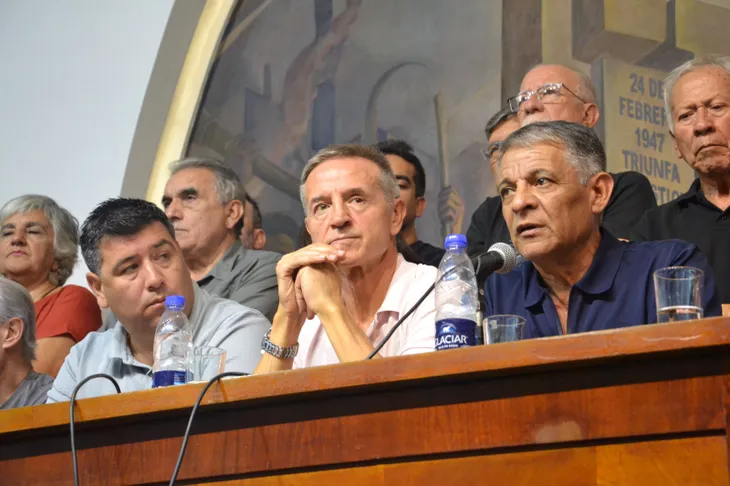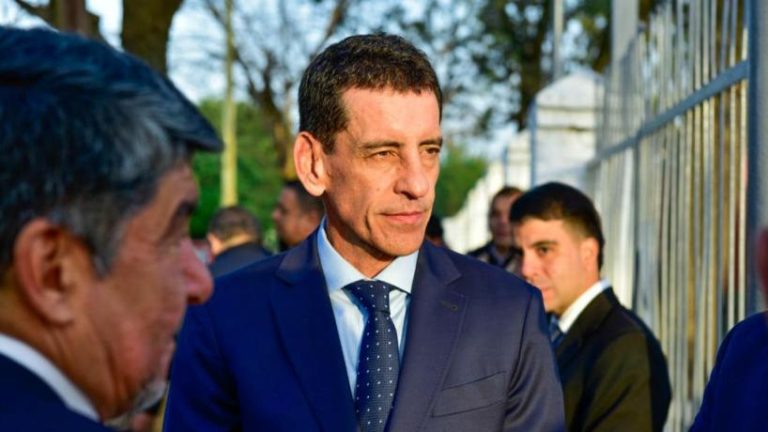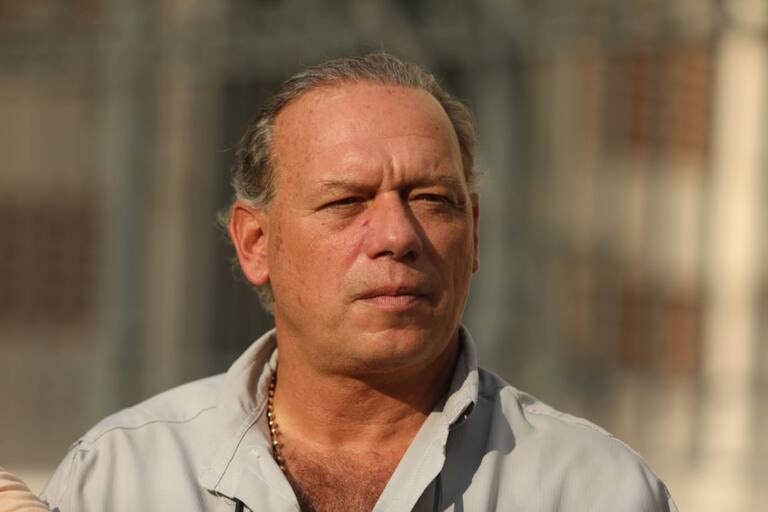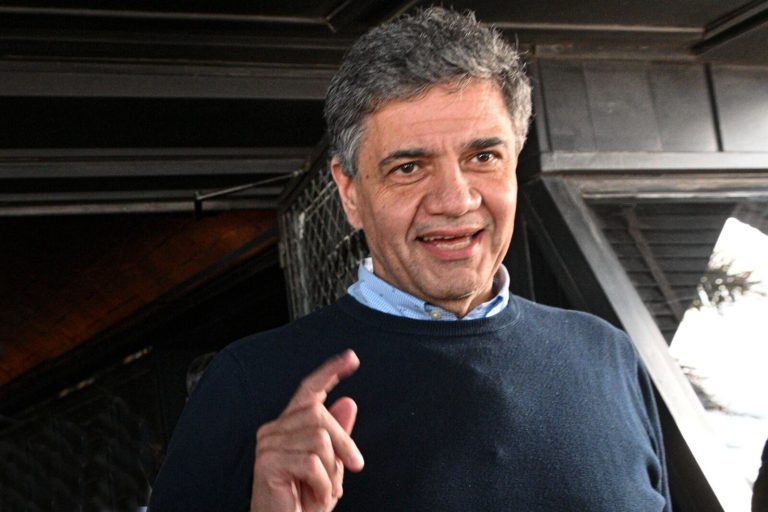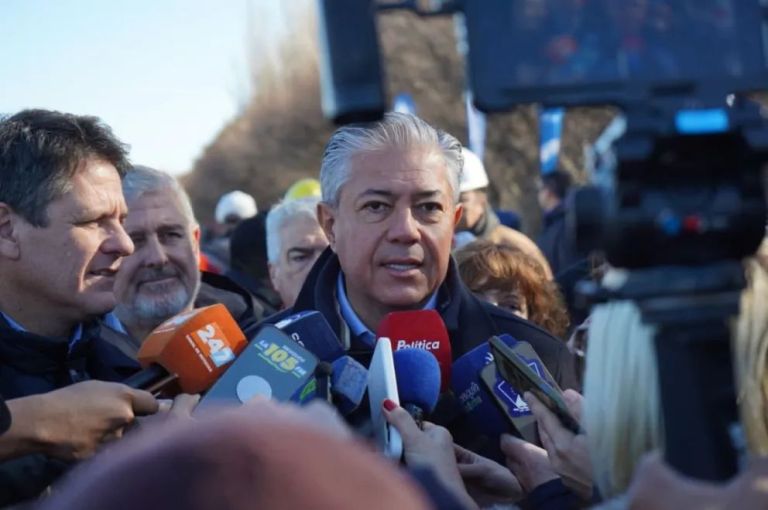
The governor of Neuquén, Rolando Figueroa, supported the elimination of the national PASO, considering that they represent an unnecessary expense and force citizens to vote once more. The statement places him alongside the national Government in that debate, although he clarified that his bloc will take a position on each project based on its impact on the province.
Figueroa used previous votes to describe that criterion. He recalled that his representatives opposed changes to the Land Law, abstained in the handling of the Glacier Law, and rejected the diplomatic appointment of Lucila Crexell. With that background, he sought to differentiate institutional dialogue from an automatic alignment with Casa Rosada.
Before meeting with the Chief of Staff, Diego Santilli, the president had planned to talk with the Minister of Economy, Luis Caputo. One of the topics was a provincial proposal to relieve family indebtedness: the banks would cancel obligations under two options, a rate equivalent to UVA plus five points or a fixed rate of 35%, according to the advance presentation.
The governor also expressed support for a reform of the Central Bank's Organic Charter aimed at preventing issuance to finance a deficit. At the same time, he stated that the Nation has a debt exceeding 300 million dollars with Neuquén and proposed to offset it through assets, including unfinished houses of Centenario and lands of national ownership.
Another point was the road infrastructure. Figueroa proposed establishing tolls to finance routes, with exemptions for vehicles registered in Neuquén. It is a public policy intention that requires regulatory instruments, definition of routes, and implementation conditions; the statement does not prove that the system is already operational. Overall, the proposals show that the province is trying to turn its parliamentary negotiating capacity into responses about credit, works, and heritage. Each issue, however, follows different procedures and cannot be considered resolved based on a single hearing.
Support for the elimination of PASO also does not turn the national project into law nor guarantee the votes of Congress. The governor's position combines institutional coincidences with fiscal and asset claims. Meetings with Caputo and Santilli open a negotiation: the outcome should be measured in signed agreements, transfers, or regulations, not only in the proposals presented during the meetings.