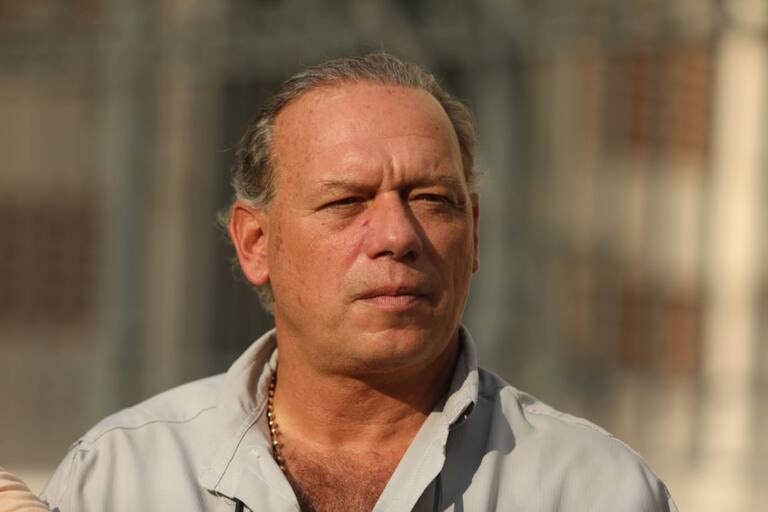
The president of the Fuerza Patria bloc in the Buenos Aires Senate, Sergio Berni, presented a project to limit the indebtedness of public employees whose commitments are collected through salary deductions. The initiative seeks to respond to the increase in family delinquency and is incorporated into a discussion that state unions had already brought to wage negotiations with the Province.
The text states that voluntary obligations may not absorb more than 30% of the protected net remuneration. The worker must retain at least 70% of their amount or a sum equivalent to Salario Mínimo, Vital y Móvil. The scope includes central and decentralized administration, autonomous organizations, and entities that settle wages through the provincial discount code system.
The system incorporates an early warning when withholdings reach 20% of the salary and an automatic block when the legal limit is reached. It also requires financial institutions, mutuals, and cooperatives to report the total cost of financing, prohibits passing administrative charges to the employee, and includes fines, suspensions, or deregistration for non-compliance. The 75% of a monthly rate on the body of withholdings would fund an income protection and financial reorganization fund.
The proposal appears in a scenario of credit deterioration. In May of 2026 there were 1,84 million people from Buenos Aires in arrears, with an estimated unpaid debt of $6,49 trillion and a provincial rate of 20,17%. José C. Paz, Presidente Perón, and Florencio Varela exceeded 32%, while among those under 25 years old, the arrears reached 46,17%, according to the data cited in the public debate.
In parallel, Banco Provincia reported that its program Ponete al Día had reached 84.000 customers with refinancing totaling $344.800 million. The tool offers terms of up to 72 months and differentiated rates according to the level of delinquency and income. It also includes specific conditions for credit card spending, Falklands veterans, and domestic workers.
Berni's project was not approved and still does not modify the current discounts. Its presentation opens a legislative discussion and also exposes internal differences on how the Buenos Aires ruling party should respond to over-indebtedness. The specific point is the proposal to set a protected income floor; its final scope will depend on the treatment in committees and a possible approval by the provincial Senate and Deputies.