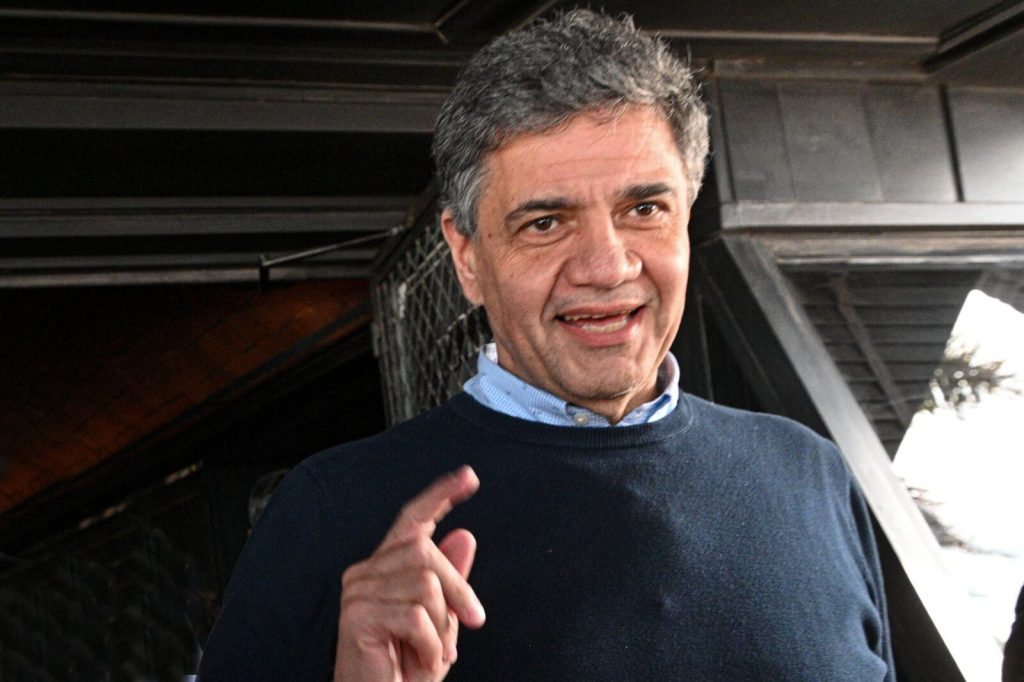
The Government of the City of Buenos Aires announced that it will strengthen control over the 12 cooperatives responsible for collecting recyclable waste in the district. The decision, driven by the administration of Jorge Macri, plans to review the performance of the organizations in response to neighborhood complaints and operational deficiencies detected in different public spaces.
The official diagnosis mentions schedule non-compliance, lack of traceability in the routes, improper use of uniforms and tools, and waste that remains scattered on sidewalks or blocks containers. The Executive maintains that these failures affect urban cleanliness and weaken the trust of residents and merchants who separate materials for recovery.
The measures are part of the Plan de Ordenamiento Urbano and are organized into four axes. The first establishes real-time monitoring of the routes to verify schedules and working conditions. The second incorporates quality standards, performance indicators, and identification of responsibilities. The third aims to prevent the dispersion of waste around containers and buildings.
The fourth axis involves measuring results with transparent indicators and using that information to respond more quickly to complaints. The Buenos Aires management defines the objective as a controlled, efficient, and transparent service, capable of recovering more materials without damaging public space. The announcement implies stricter supervision, but it did not communicate the suspension of any cooperative or changes in the number of contracted organizations.
The review adds to investments made at the Villa Soldati Recycling Center. During 2025, works were incorporated to expand the treatment of organic and plastic waste, after a mixed waste plant with an approximate capacity to process 700 tons per day began operating in 2024. That infrastructure covers materials that were not treated by other plants, Centros Verdes, or scheduled collection.
The Buenos Aires City Government has not yet announced a schedule to implement the new controls nor detailed the contractual consequences of insufficient performance. For now, the concrete decision consists of introducing monitoring, quality criteria, and public evaluation of results. Implementation will determine whether the scheme corrects the shortcomings without affecting the labor and operational continuity of those who maintain separate collection.