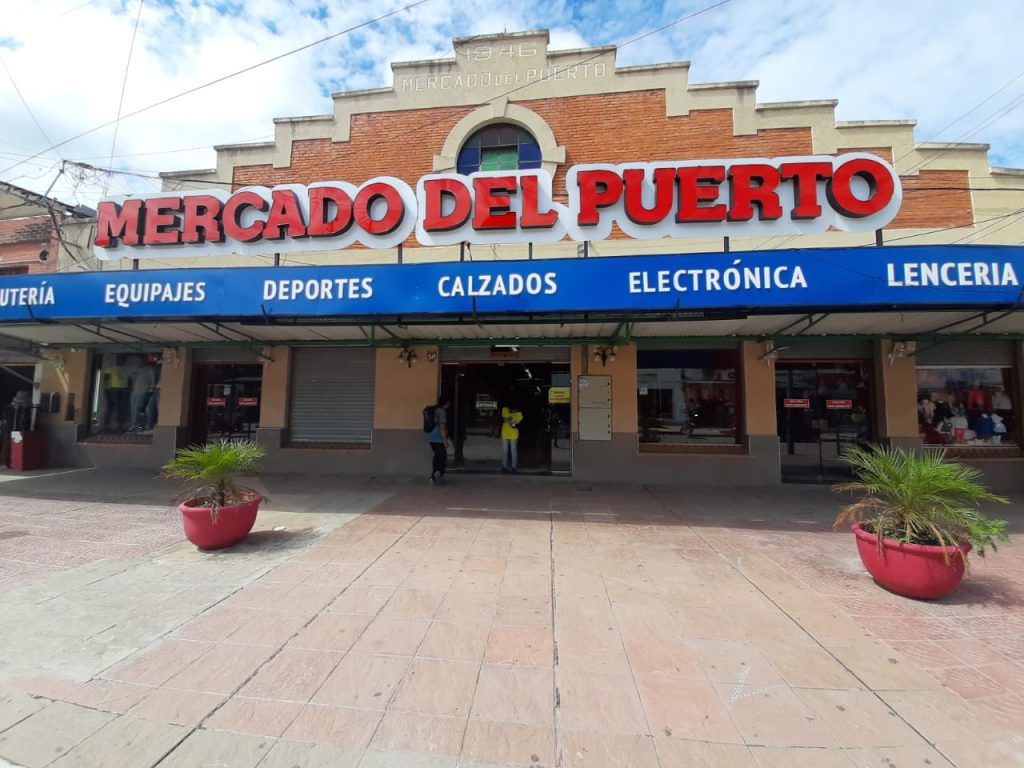
The Mercado del Puerto in the city of Formosa operates with between 30 and 35 stores over a capacity enabled for 80 positions. The vacancy thus exceeds half of the available commercial space. Javier Shattner, manager of the complex, warned that the private firm covers the deficit with its own capital and that, if the situation does not change, it could close. The statement describes a future risk, not an already decided closure.
Occupancy decreased along with the number of customers. Management attributed the decline to lower purchasing power and the loss of traffic in the area of the so-called Paraguayan little market. The complex, which had functioned as a shopping and meeting point, now receives fewer visitors. This contraction reduces the sales of those who still have a stall and weakens the appeal for new merchants.
Digital commerce also changed the use of physical space. Some stallholders complete sales online or through social networks and use the premises only to deliver merchandise. The change allows operations to continue with less exposure, but it reduces the traditional function of the market as a shopping stroll. The decentralization towards the avenues Italia and Néstor Kirchner and Zona Norte added other poles of urban competition.
The mix of sectors has become narrower. Cell phone stores predominate, followed by clothing and a hair salon, while management sees little interest in developing new activities. The daily rent includes expenses, cleaning, electricity, and municipal licensing, a system designed to facilitate entry. Even so, the low level of sales prevents the overall costs from being covered steadily.
Shattner identified the tax burden as the largest expense and described the sum of taxes as unbearable. The owning company has been providing capital for well over a year to finance the monthly deficit. That assistance has so far prevented a complete closure, but there is no public date for ending it nor a definitive decision on the fate of the property.
The next outcome will depend on occupancy, clientele, and the ability to balance costs. If there are no changes, management argues that it will have to evaluate closure; if activity improves, the empty positions could be used again. The distinction is central: the market is going through a critical crisis and more than half of its spaces are unoccupied, but its doors remain open, and closure remains a conditional possibility.