Celulosa Argentina's crisis has again revealed its labor dimension in Santa Fe. As the insolvency proceedings are extended because of the number and complexity of creditor claims, the company offered to immediately pay only 30% of wages and complete the remaining amount the following week, subject to obtaining financing.
The case is being handled by the First Nomination Civil and Commercial Court of San Lorenzo. The court-appointed trustee would present the individual report only on March 30, 2027, a key stage for determining which claims will be recognized and for what amounts. Before that, on November 10, 2026, a progress report on the documentary review is expected.
The judicial delay adds to a large-scale financial problem. The estimated liabilities at the time of the filing exceeded 140 million dollars, after the company was unable to meet short-term maturities of about 18.5 million dollars. The situation exposed the fragility of a historic firm, with plants and suppliers affected by the lack of liquidity.
The rescue attempt has also been shaped by corporate movements and strategic assets. CIMA Investments took equity control of the company in 2025 for a symbolic value, with a plan that included assuming financial debt, launching a mandatory tender offer and injecting working capital to reactivate operations in Capitán Bermúdez and Zárate.
Tension increased with the full intervention of Forestadora Tapebicuá, a company controlled by Celulosa and essential to its wood supply. The appointment of an intervenor displaced the previous management with the aim of preserving assets amid the restructuring and before the exclusivity period scheduled for October.
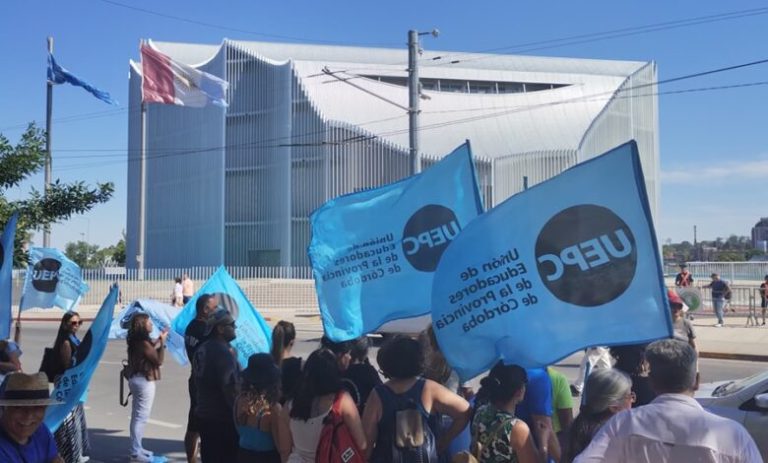
The most sensitive front is the workforce. In a hearing before the provincial Labor Ministry, the company described its cash difficulties and tied the remaining wage payment to obtaining credit and to the absence of strike action. The unions rejected the proposal and also challenged the company's allegations about supposed sabotage of machinery at the Capitán Bermúdez complex.
The case brings together industrial crisis, financial debt and wage conflict in a single scene. For Santa Fe, the outcome matters not only because of the continuity of a century-old company, but also because of its impact on jobs, suppliers and productive activity in a region where every industrial stoppage is felt beyond the plant gates.