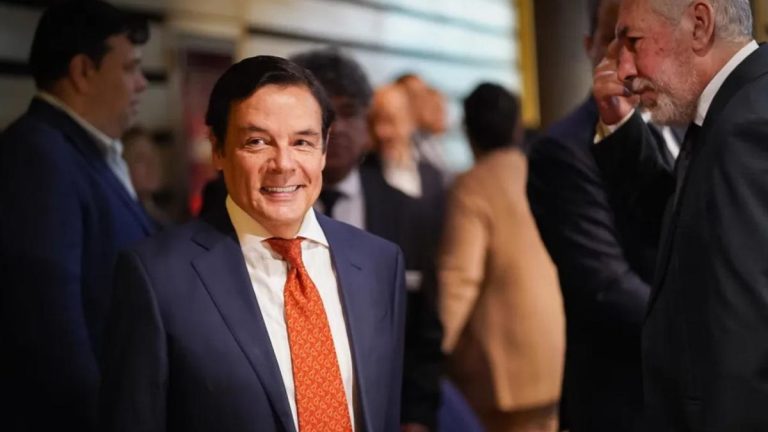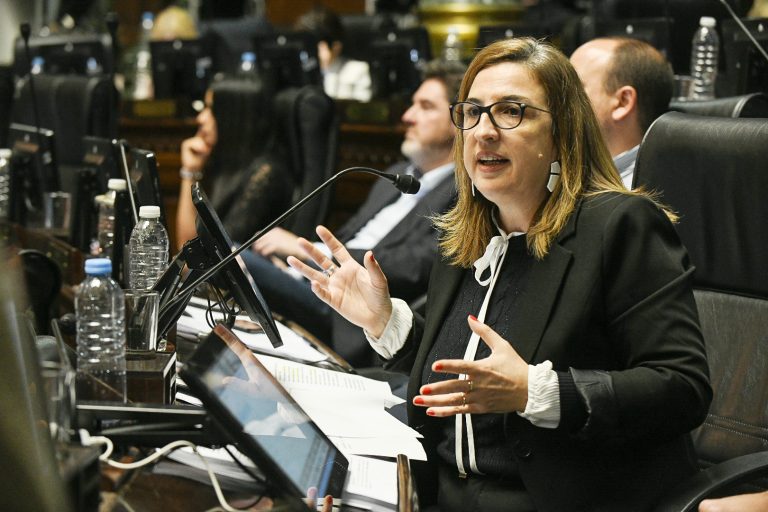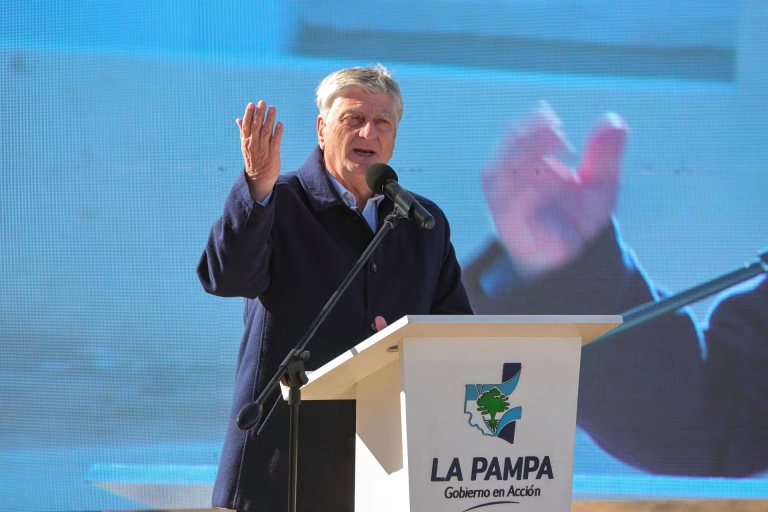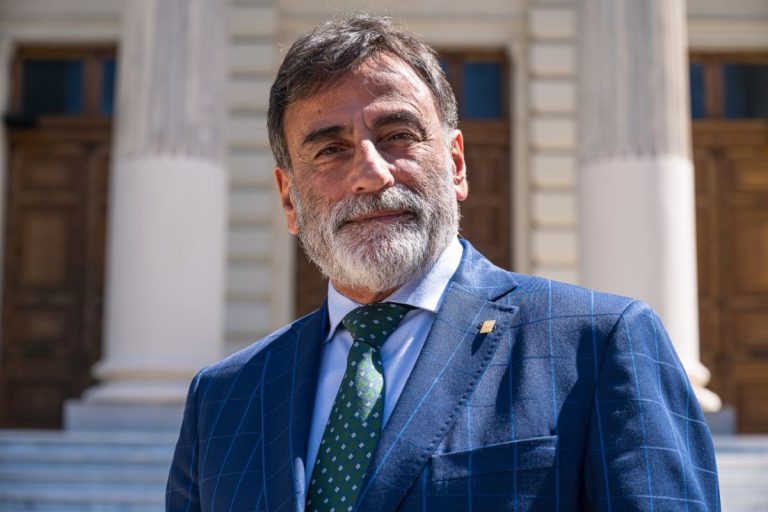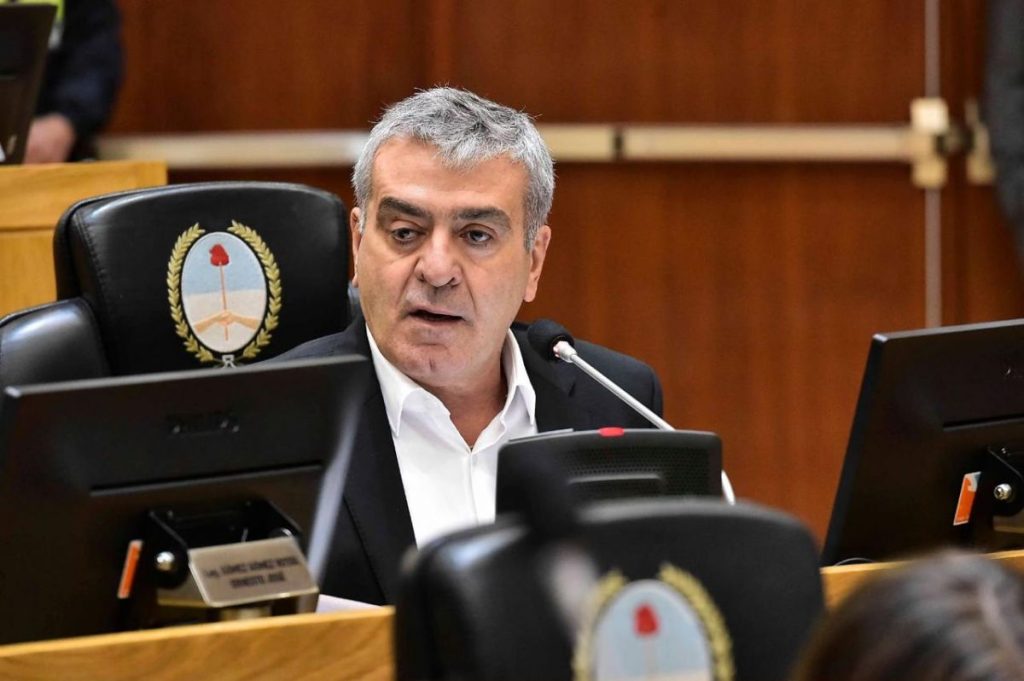
José Cano again placed fiscal federalism at the center of his opposition message and linked it to the need to reorganize politics in Tucumán. The Radical lawmaker criticized Javier Milei's government over subsidies, suspended public works and the use of earmarked funds. He also called on the provincial opposition to move beyond fragmentation and build a common program.
One major complaint concerns transport. Cano said each AMBA user receives about 1,700 pesos in federal subsidy while the interior compensation fund was eliminated. Tucumán, he argues, must use its own resources to prevent fares from exceeding 2,500 pesos. The comparison needs current official data but points to a longstanding metropolitan-provincial imbalance.
He also alleged that about 500 billion pesos collected from May 2025 to October 2026 through a water-infrastructure trust were used for financial operations. The claim requires auditing and documentation because it suggests possible diversion of earmarked resources. Cano tied it to flood and El Niño preparedness in northern regions.
Another issue is Treasury transfers. Cano estimates the federal government is retaining nearly 3 trillion pesos and wants automatic distribution. ATN funds address imbalances and emergencies but have historically been discretionary. Reform would require objective criteria, monthly data and oversight while preserving emergency flexibility.
The lawmaker also said national public investment fell 85%. The exact percentage requires a defined period and base, but stalled projects clearly affect construction, employment, roads, water and sanitation. Cano argues that past corruption cannot justify abandoning public works and that stronger controls are preferable.
His economic diagnosis included an 8.3% fall in VAT revenue in October as a sign of weaker consumption. One month does not define the entire economy, but it may reflect lower activity or real incomes. The opposition needs to turn such indicators into a stabilization and growth program.
In Tucumán, Cano called for the UCR, Fuerza Republicana, CREO sectors, leaders close to Mariano Campero and others to unite. He accused La Libertad Avanza of fragmenting the opposition. Unity, however, requires candidate rules and shared policies on security, education, health, production and transparency.
The next step is converting federal claims into documented cases and the opposition call into a programmatic table. Cano must present records on subsidies, trusts, ATN and public works, while parties define what they would govern together. A competitive front needs more than rejection; it needs a credible resource and infrastructure plan.