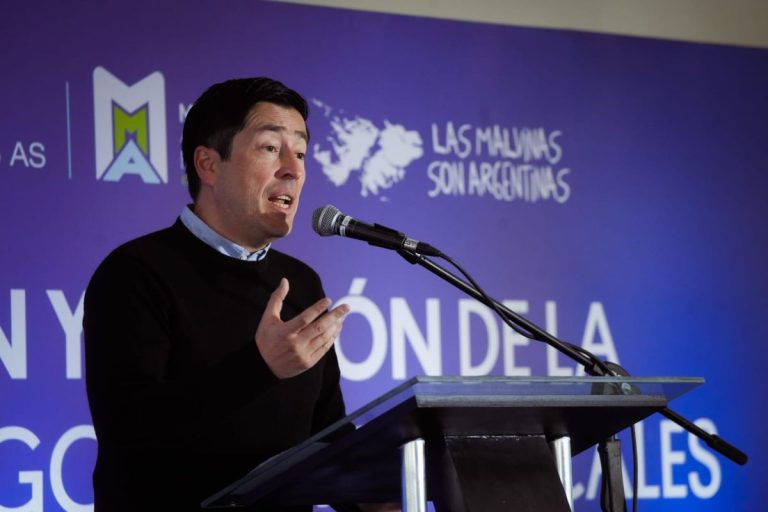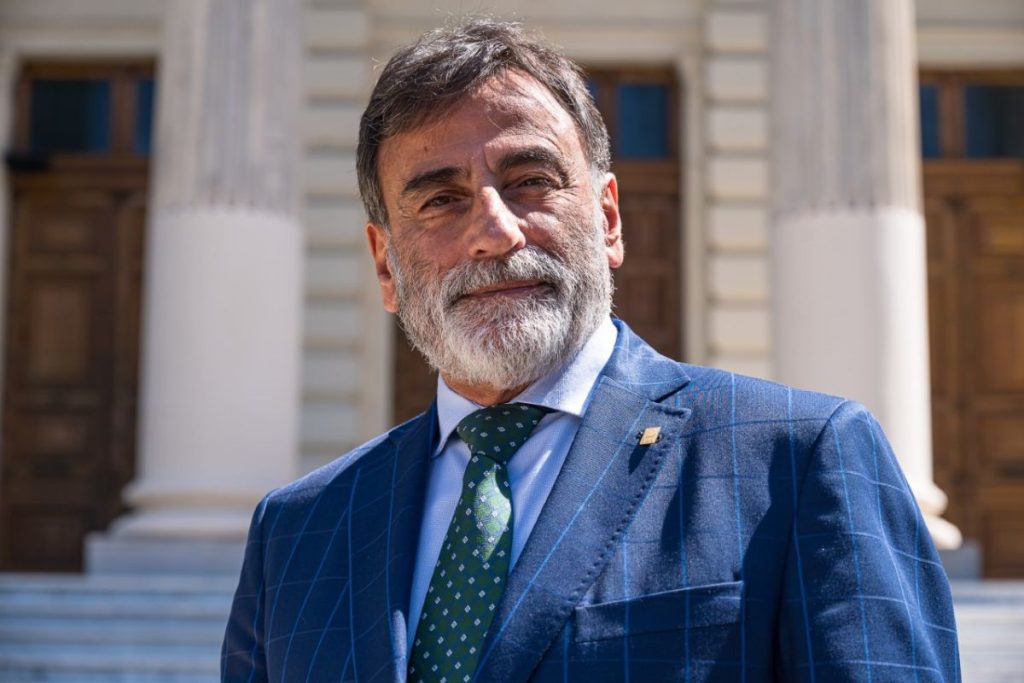
The Frente Renovador has drawn a clear line in Buenos Aires Province's reelection debate. Led provincially by Rubén Eslaiman, the force said it will not support restoring indefinite terms for mayors, lawmakers, councilors and school-board members. The decision reopens a split inside Unión por la Patria because several mayors and sectors close to Axel Kicillof want to revise the limits before 2027.
Massismo defends Law 14,836, passed in 2016, which set a maximum of two consecutive terms. Its argument is institutional: alternation prevents prolonged concentration of power, helps leadership renewal and gives predictability to the rules. The rule has concrete effects because many mayors could be barred from running again.
Rubén Eslaiman therefore becomes a decisive actor in a negotiation that cannot be solved through party discipline alone. The Frente Renovador has enough legislative weight to complicate any reform and also carries political ownership of the current restriction. Giving way without conditions would weaken one of its distinguishing positions.
On the other side, mayors linked to Movimiento Derecho al Futuro and Governor Kicillof argue that territorial continuity is central to the governing strategy. They see municipalities as Peronism's most stable organizational base and warn that dozens of simultaneous successions could weaken management and alliances.
The debate goes beyond the officials affected. It also raises whether term limits should be uniform, whether they can be changed close to an election and how much institutional stability such a diverse province needs. Changing rules for incumbents can look self-serving, but rigid limits can also produce artificial successions.
The Frente Renovador says permanent mandates weaken institutions and alternation restores voters' real choice. The argument moves the discussion from electoral convenience to democratic design. Yet term limits alone do not guarantee renewal if power is reproduced through relatives, allies or cross-candidacies.
A robust solution would combine limits, transparency and competitive selection mechanisms. Any reform should explain why it is needed, how broad it is and when it takes effect. If Massismo maintains its refusal, it must also explain how orderly transitions will work where mayors cannot continue.
The next step is legislative. Eslaiman's position forces Peronism to gather its own votes or seek outside support and leaves little room for a silent change. The issue will test Unión por la Patria's ability to agree on common rules before 2027.