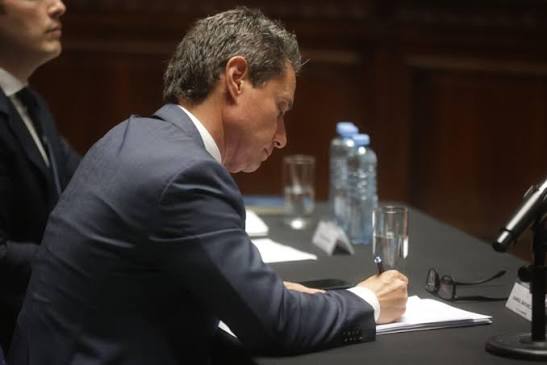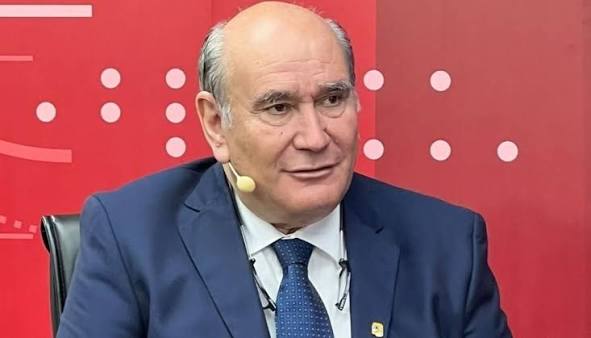
The San Luis Legislature brought university representatives into the seventh joint meeting of the Constitutional Affairs and Parliamentary Business committees of both chambers. Vice-Governor Ricardo Endeiza led the meeting, which lasted more than three hours in the Blue Room and included authorities, faculty and students from the National University of San Luis and the Catholic University of Cuyo. Their participation broadened discussion of the partial reform proposed by Governor Claudio Poggi.
Constitutional scholar Cristian Altavilla presented the initiative's grounds, objectives and mechanisms and answered questions about the role of a possible Constituent Convention. The exchange covered the reform's impact on provincial law, the incorporation of new rights and tools to strengthen institutions. The meeting was informational and consultative: it did not yet approve the need to amend the Constitution or launch a Convention.
The proposal is organised around alternation in office, austerity and institutional modernisation. Its political changes include strict limits on governor and vice-governor re-election, the introduction of a runoff and the elimination of midterm elections through a four-year cycle. It also seeks to extend the ordinary legislative session, arguing that this would reduce permanent campaigning and allow management to focus on more stable periods.
For the judiciary, the text proposes creating an independent Public Prosecution Service outside the traditional branches, changing the Judicial Council and introducing an age limit for future appointments to the courts, prosecution service and Court of Accounts. The changes are presented as ways to strengthen independence and oversight. Their application will depend on the wording eventually authorised by the Legislature and adopted by a Constituent Convention.
The section on fourth-generation rights protects digital identity, connectivity and personal data from algorithmic use. It would also give water constitutional status as a strategic resource and strengthen transparency and access to public information. In federal matters, the proposal adds a provincial autonomy clause, seeks greater participation in revenue-sharing debates and allows alternate capitals to be established by special law.
Bringing universities into the process allowed faculty and students to discuss both content and procedure with lawmakers, Altavilla and the vice-governor. The next institutional step is not an automatic constitutional amendment, but progress on the bill declaring reform necessary and defining the authorised subjects. Only after that decision can a Convention be formed with power to draft changes within the limits set by law.