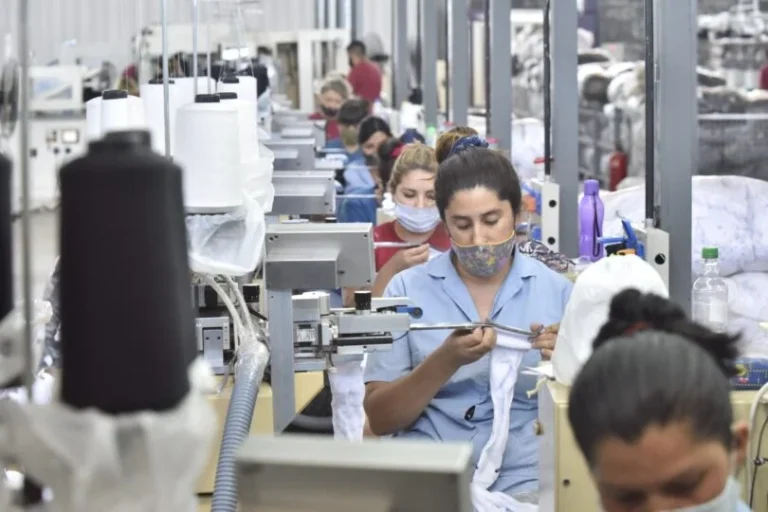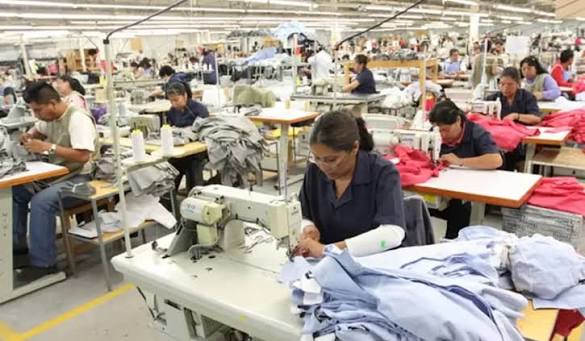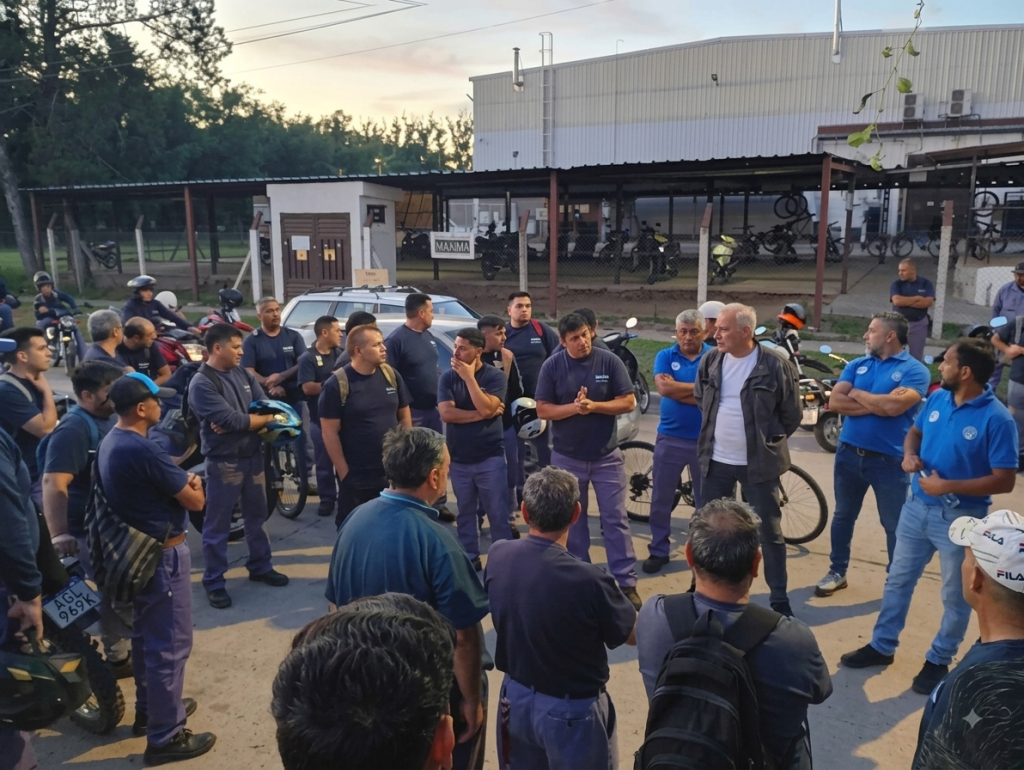
The industrial crisis of San Luis brought further closures, layoffs and unpaid labor obligations in the Industrial Park and other manufacturing areas of the province. The cases of Master Lajas, Cidal, and Cerámica San Lorenzo represent the most severe deterioration, while other companies suspended workers, brought forward annual leave, or faced protests over incomplete severance payments. The total scope is described in hundreds of jobs lost, but the available information does not provide a single figure that would allow all cases to be added together without duplication.
Master Lajas is going through one of the most critical conflicts in Parque Industrial Sur. More than 50 families were affected by the non-payment of wages, bonuses, and severance pay. Asociación Obrera Minera Argentina, AOMA, alleged asset stripping at the company and stated that the firm failed to comply with payment agreements previously reached through conciliation. The case therefore combines declining activity with pending labor obligations and agreements that would not have been executed.
The permanent closures also affected long-established plants in the province. The food company Ledesma, the latex factory Cidal —which completely ceased its activities— and Cerámica San Lorenzo left hundreds of workers without jobs in the region. The information does not specify how many jobs correspond to each establishment, so the combined magnitude should not be transformed into an exact number. The verifiable fact is the disappearance of manufacturing activity and the accumulation of affected families in different parts of San Luis.
Bagley presents a different situation: workers staged protests and reported incomplete severance payments at Villa Mercedes. In some cases, they claimed to have received only 50% of what was legally owed. On the available information, this dispute does not amount to the permanent closure of the plant, but rather to a dispute over the financial terms of the terminations. The difference matters because it separates an industrial shutdown from a labor conflict still pending resolution.
In the white goods industry, Drean and Spar suspended large numbers of employees and brought forward annual leave due to the drop in consumption. During those periods, employees received reduced fractions of their wages. These measures reflect a severe production contraction, but they do not constitute a definitive shutdown by themselves. The provincial picture thus includes different states: closed plants, a company accused of asset stripping, disputed compensations, and factories that temporarily reduce their activity.
The unions link the deterioration to the recession, rising costs, and lack of demand, and demand intervention from the national and provincial governments to protect employment and guarantee the payments owed. The next concrete results will be the payment of wages, bonuses, and severance, the resolution of outstanding claims, and the evolution of suspensions. Until then, the San Luis crisis must be read as an extended industrial process, not as a single closure with a consolidated figure.