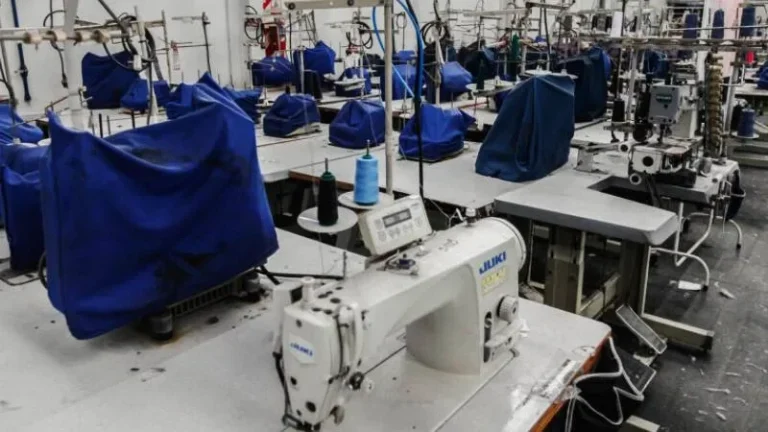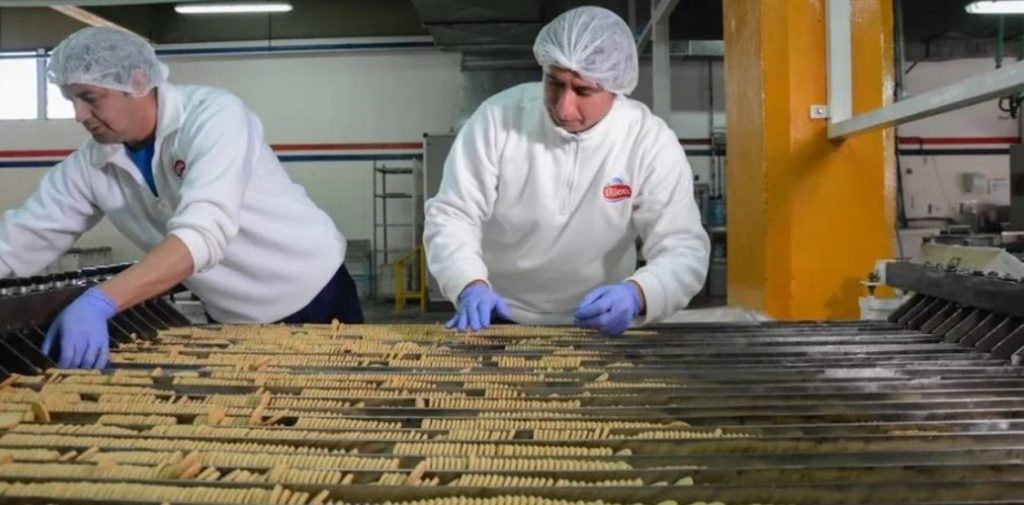
Tía Maruca decided to permanently close the cookie plant it operated in Albardón, San Juan, turning a sales crisis into a labor and community conflict. The measure ends activity at a factory that had been central to the brand's expansion, while dozens of workers received dismissal notices and began protesting outside the facility.
The company began in 1998 as a family venture focused on cookies with a home-style identity. Its biggest leap came in 2017, when it bought the Dilexis plant in San Juan. The acquisition expanded distribution across Argentina and opened exports to neighboring markets; nine years later, the same asset that supported growth is being taken out of operation.
The deterioration was visible before the shutdown. At the start of 2026, the factory was using only 52% of its installed capacity, a level that raised the cost of every unit produced. With less output over which to spread fixed expenses, the company found it increasingly difficult to compete with lower-priced brands, bakeries and informal manufacturers as mass consumption contracted.
The business decision turned that loss of scale into a permanent exit. Dismissals were communicated through notices sent immediately, without a transition capable of cushioning the effect on household income. Workers responded outside the plant, demanding continued employment and clear information about the conditions under which their labor relationships would end.
The dispute is not limited to the number of jobs lost. Employees say the first severance proposals do not meet labor-law requirements, so the productive closure has left a union and legal negotiation open. The unresolved issue is whether the company will revise those amounts or whether individual claims will be needed to reach the compensation due.
Albardón is also losing an activity whose effect extended beyond the factory gates. The plant provided direct jobs, purchased services and supplies and supported part of the turnover of local shops. The shutdown cuts that chain at several points: dismissed workers reduce spending, suppliers lose a customer and nearby businesses receive less traffic.
The measure affects this industrial unit and does not by itself mean the disappearance of the entire brand, but it dismantles the production expansion launched with the 2017 acquisition. The immediate priority is to settle severance and the situation of those dismissed. The next questions are how much indirect employment will vanish and whether Albardón can find another use for a facility that connected production, suppliers and local demand for almost a decade.