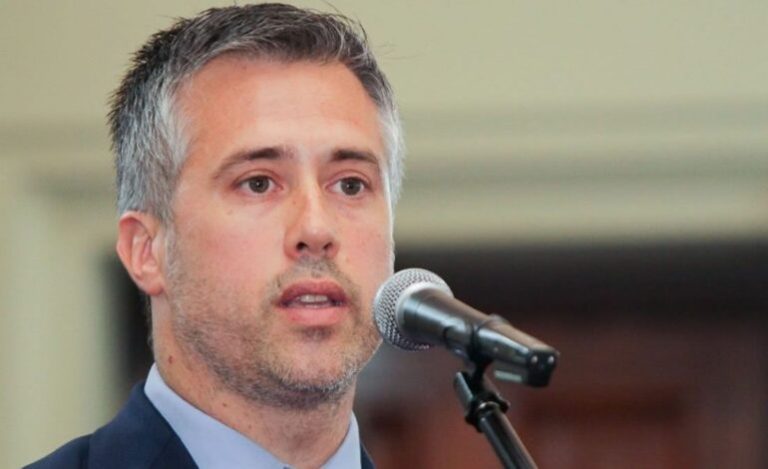
The Government of Misiones has launched a deep administrative restructuring that includes the merger of ministries, the elimination of agencies and the reassignment of functions, within the framework of a national economic scenario that reduces the resources available to the provinces. The coordinating minister of Cabinet, Carlos Sartori, came out to counter the versions that circulated after the decree of Governor Hugo Passalacqua and assured that the reform does not contemplate layoffs of state workers.
In an extensive interview with FM 89.3 Santa María de las Misiones, Sartori explained that the objective of the restructuring is "to optimize management, take care of resources and achieve greater agility in the response to the neighbors". The official insisted that reducing the number of ministries does not imply abandoning public policies, but rather reorganizing them under more integrated structures to avoid administrative overlaps and generate synergies.
One of the most significant changes is the absorption of functions by the Ministry of Finance and Public Works, which will now concentrate areas that were previously distributed in other dependencies. The Architecture area was incorporated into that portfolio, while the Ministry of Climate Change ceased to function as an independent ministry and its competences —related to carbon credits— were transferred to the financial and planning area of the State. The Secretariat of Energy with ministerial rank was also eliminated, becoming a sub-secretariat within Finance and Public Works.
The minister sought to reassure state workers and denied that there is a staff reduction plan: "The governor is not firing anyone. Let it not be misunderstood. What he is doing is a restructuring to respond to the demand that society has today." He assured that public employees will continue to perform functions and that many will be reassigned to new areas, with training processes included to adapt their profiles.
In the productive sector, the reform seeks to better coordinate policies aimed at small producers. "Agriculture, Family Farming and other areas linked to the sector will be able to work together," said Sartori, who recalled that during the last storm, damage was recorded in 127 producers, mainly due to the destruction of greenhouses. The new organization will allow tasks to be distributed more quickly to assist those affected.
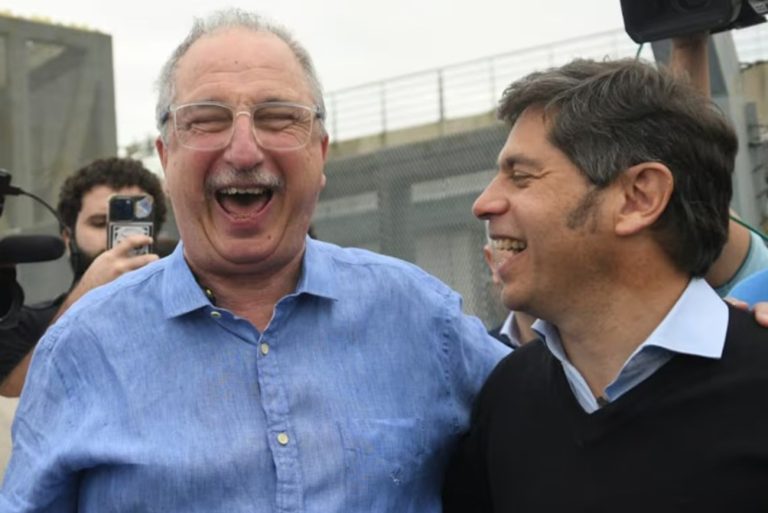
Another axis of the reform is the strengthening of the link between the provincial government and the municipalities. Sartori highlighted the arrival of the former mayor of Montecarlo, Julio César Barreto, to the presidency of Energía de Misiones, and the appointment of the former mayor of San Javier, Matías Vilchez, to the head of the Ministry of Cooperative Action. "What the governor is asking of us is a lot of territorial presence and closeness to the people," he said.
The minister also linked the reform to the national economic context and the decline in resources that the Nation transfers to the provinces. "National policies have greatly affected tea, yerba mate, cassava and other Misiones productions. We have to strengthen the entire agricultural structure to better respond to that reality," he said. The administrative reorganization, added to the preparations for the possible arrival of the El Niño climate phenomenon, marks a new stage of management that combines austerity, territorial presence and response capacity.