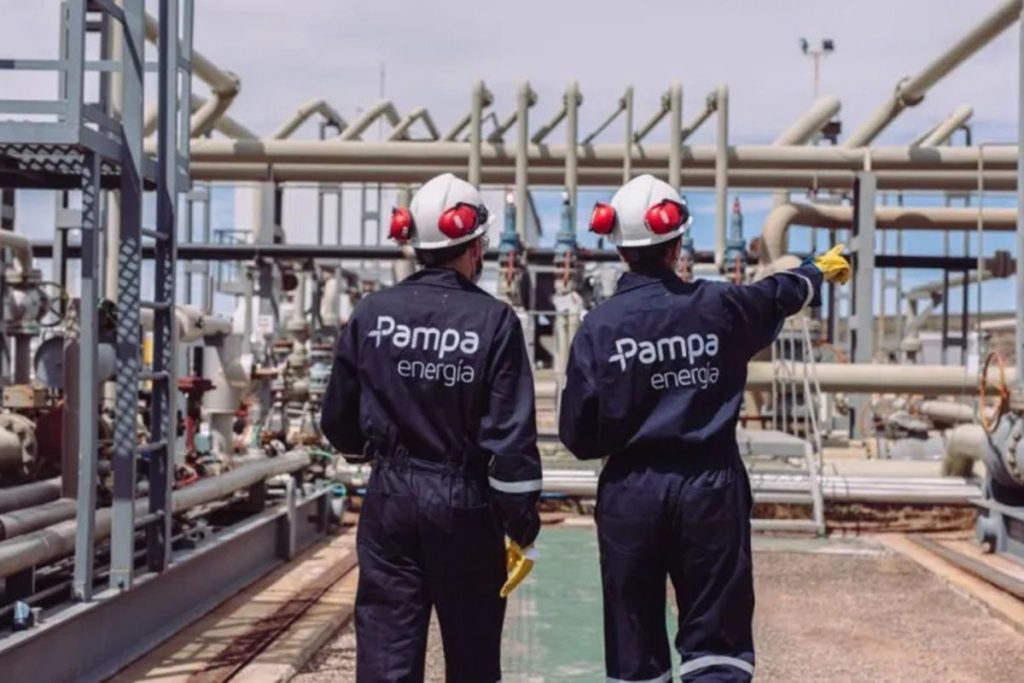
Santa Fe is once again measuring the concrete cost of industrial crisis in one of its most sensitive areas: the manufacturing belt of Greater Rosario. Pampa Energía announced the shutdown of its synthetic rubber production line in Puerto General San Martín, a facility identified by the petrochemical union as the only producer of that input in the country.
The decision directly affects more than 130 families and reopens a debate that goes beyond a single plant. At the former Pasa Petroquímica site, with six decades of industrial history, the closure means not only the loss of skilled jobs but also the disappearance of a productive capacity that supplied sectors linked to tires, auto parts and value chains connected to the automotive complex.
The United Petrochemical Workers and Employees Union warned that the measure was communicated abruptly to workers and that a process has been opened before the Ministry of Labor to seek a way out. The union's position is focused on preventing the process from turning into forced exits or disguised dismissals of technically trained operators whose age and experience make quick reintegration difficult.
The company's explanation rests on falling local demand and costs that make production continuity unviable. From the union's perspective, however, the closure is tied to import liberalization and to a broader contraction of national industry, particularly in activities linked to rubber, petrochemicals and the automotive production network.
The case hits an area used to living alongside large plants, ports, energy, grains and petrochemicals. For that reason, the shutdown of the rubber line is not merely a labor dispute: it also marks a loss of industrial density for Santa Fe and for the country, which stops sustaining a strategic production process within its own territory.
The labor hearing now appears as the first containment point. It will determine whether there is room to preserve jobs, renegotiate conditions or build a less traumatic transition. But the central fact is already clear: a national productive capacity is being switched off, and the impact is once again felt first by working families in Santa Fe's industrial belt.