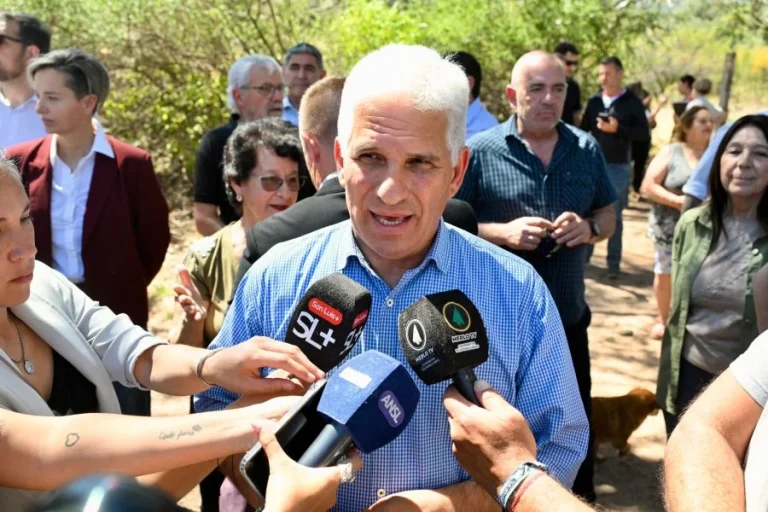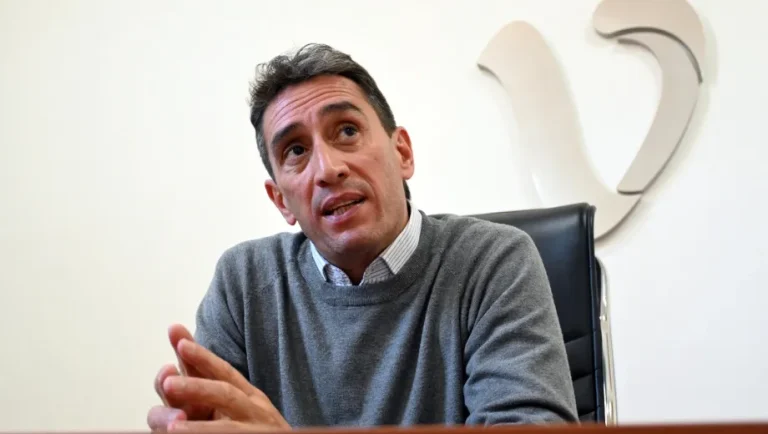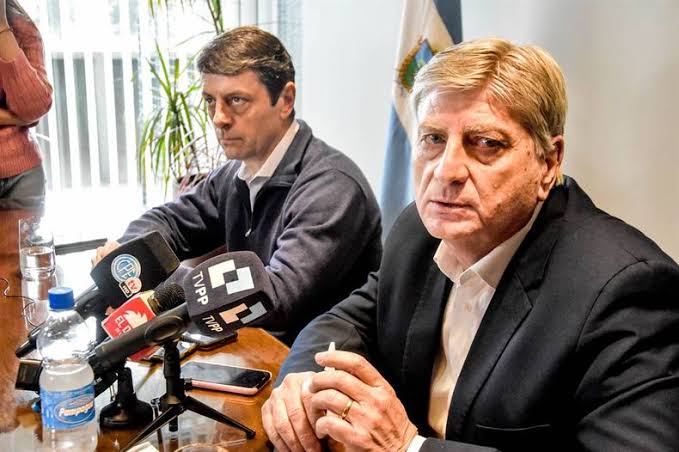
Máximo Kirchner and Axel Kicillof reached a truce that, for now, organizes coexistence inside Buenos Aires Peronism. Kicillof remains head of the provincial PJ while Kirchner keeps the party congress presidency. Their private meeting in La Plata marked a thaw after years of tension.
The truce is limited. It settled party posts but not disagreements over leadership, candidacies or national strategy. Kirchner retains negotiating power through La Cámpora, while Kicillof seeks greater autonomy and a broader political structure.
The first concrete conflict is mayoral reelection. Law 14,836 limits officials to two consecutive terms and could bar dozens of mayors in 2027. Many are part of Kicillof's territorial base and want the law changed.
Máximo Kirchner has not ruled out reform, but his sector wants a broader bargain including the electoral calendar, possible separation of elections, candidate-selection rules and power distribution. That turns legislative votes into bargaining leverage.
The second conflict is Kicillof's succession. Unable to seek a third consecutive term, he must organize a provincial nominee while building a national profile. Several names circulate in his camp, Kirchnerism and the Frente Renovador.
The third front is national. Cristina Fernández de Kirchner seeks political centrality, Máximo Kirchner controls a disciplined structure, and Kicillof wants more competitive mechanisms. Keeping national PASO primaries would help manage those differences.
The Buenos Aires agreement shows that pragmatic coexistence is possible, but it does not create programmatic unity. Party positions can contain the dispute while disagreements over leadership and selection methods remain.
The next stage is decisive. Kirchner and Kicillof must turn the truce into concrete rules for reelection, the calendar and succession. Otherwise, each unresolved issue can reactivate the conflict.