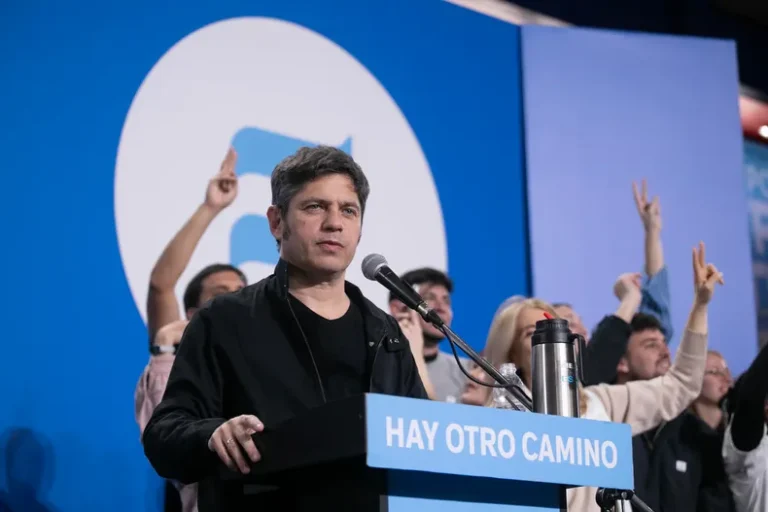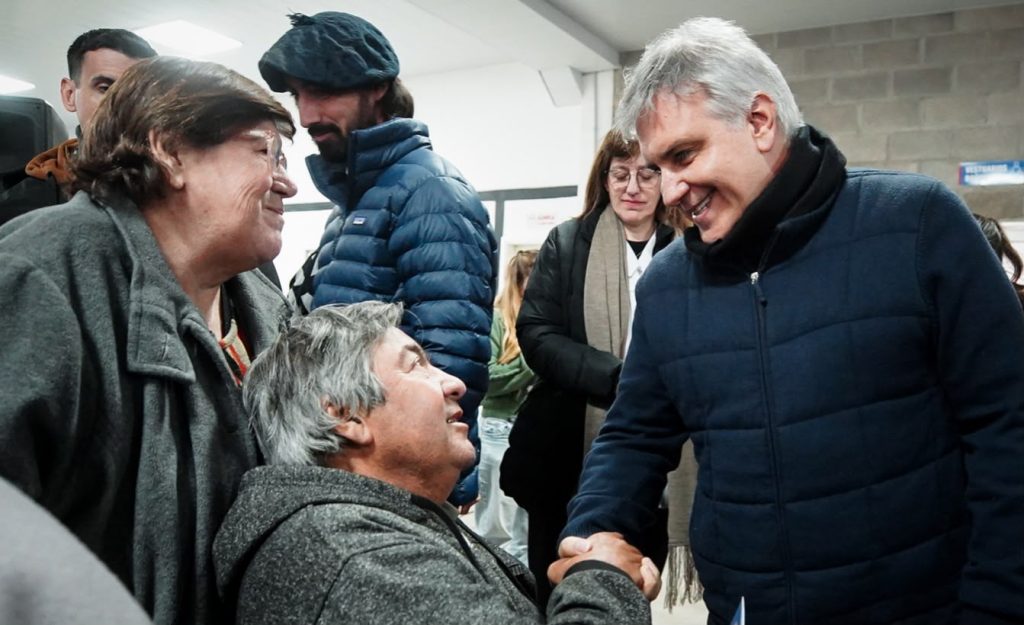
Martín Llaryora completed a two-day tour of eight locations in the departamento Unión, in the southeast of Córdoba. The agenda combined inaugurations, announcements of works, agreements, credits, and contributions to municipalities, communes, and institutions. The governor presented the tour as a demonstration of provincial presence and cooperation with local authorities of different political affiliations.
On Friday 21 visited Colonia Bismarck, Colonia Bremen, Benjamín Gould, Viamonte and Pueblo Italiano. On Saturday 22 continued through Aldea Santa María, Canals and Pascanas. The sequence allowed concentrating decisions on housing, streets, sanitation, energy, health, education, security, and community equipment in an area where the ruling party seeks to consolidate its territorial deployment.
In housing matters, five homes were announced for Colonia Bismarck, five for Colonia Bremen, five for Benjamín Gould, six for Pueblo Italiano, and three for Aldea Santa María, in addition to a plan for Canals. The works depend on locally provided land, agreements, transfers, and execution processes that do not necessarily follow the same schedule.
In Canals, ARS 200 million were committed for housing, ARS 50 million for a nursing home, ARS 100 million for paving and curbs, ARS 50 million for the municipal hospital, and another ARS 50 million for inclusive playgrounds and a skatepark. In Pascanas, ARS 300 million were announced to start the gas project and the improvement of 27,5 kilometers of camino S-153.
The reported economic contributions exceed ARS 2.650 billion, excluding the value of all projects, vehicles and equipment. Transport units and equipment for local health services were also delivered or announced. Politically, the tour is read as an effort to expand the identity of cordobesismo and show an administration able to work with diverse local governments. That interpretation does not amount to a formal campaign or, by itself, prove an electoral shift in the department.
The announcements include direct transfers, provincial works, contributions for improvements, and commitments to institutions. To evaluate their outcome, it will be necessary to verify signed agreements, available funds, bids, disbursements, and physical progress. The tour produced decisions and concrete commitments, but not all represent works already started or resources already credited to their recipients.