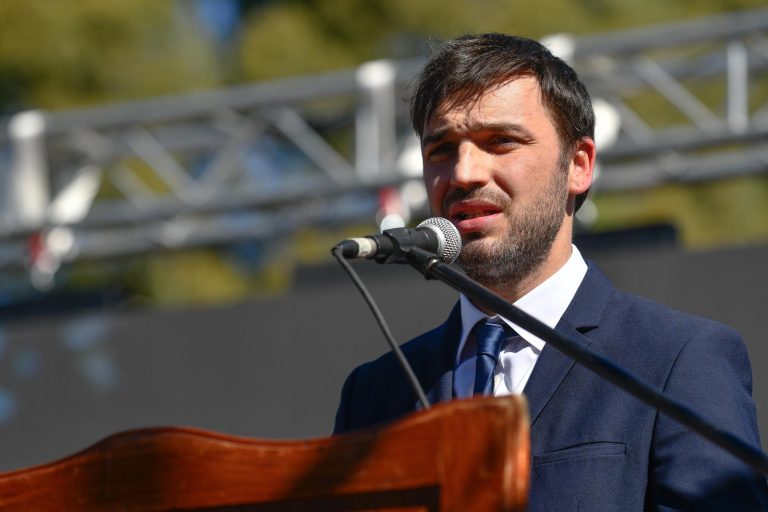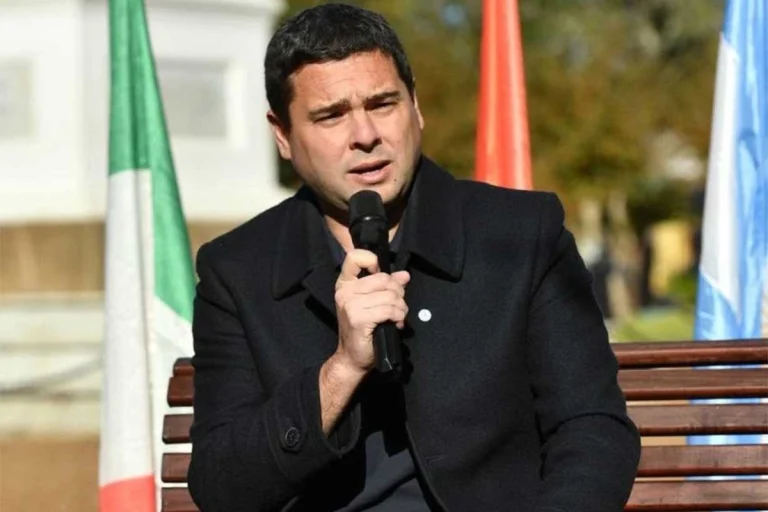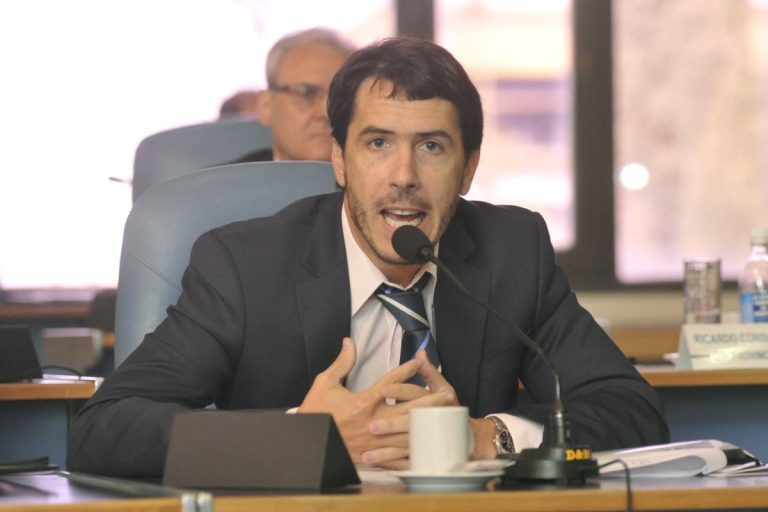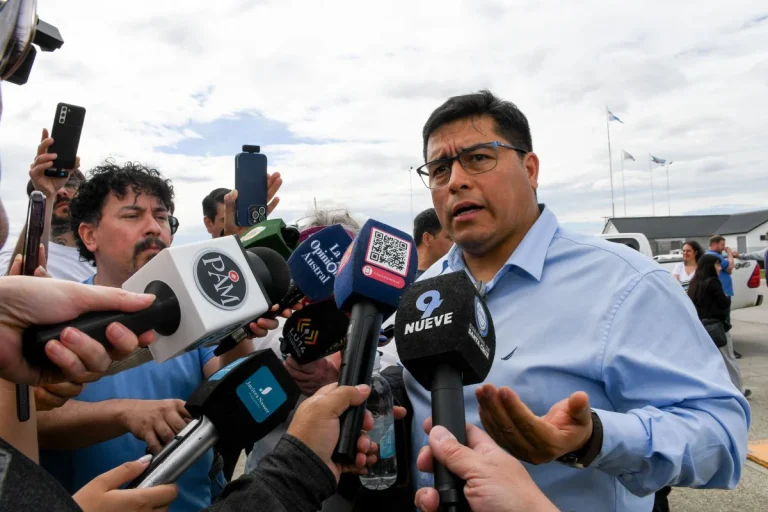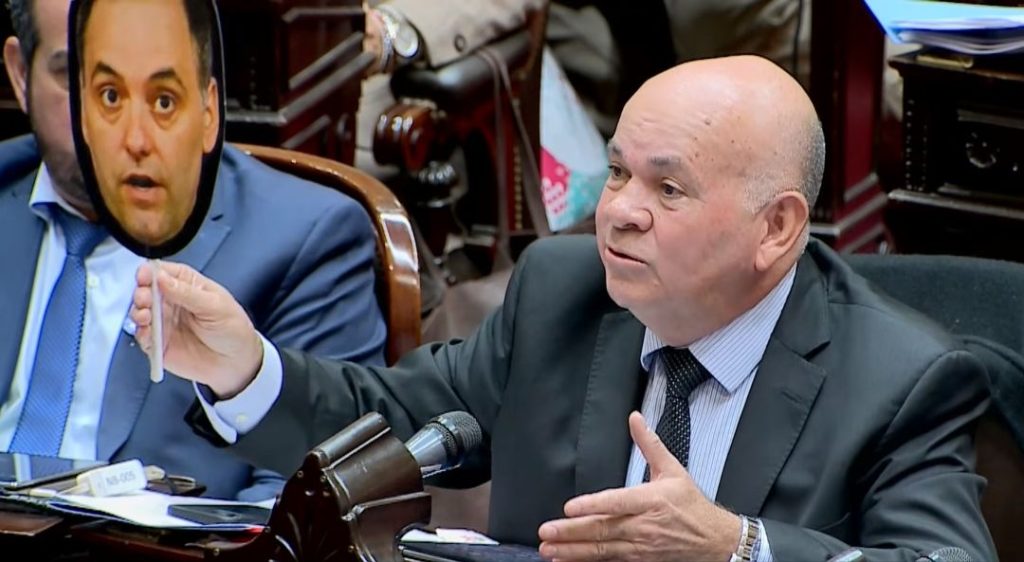
Aldo Leiva confirmed that he intends to run for governor of Chaco in 2027 and positioned himself as one of the leaders seeking a role in the opposition succession. The national deputy says he has been building a province-wide network with local leaders and teams. His goal is to prevent internal PJ disputes from subordinating the broader strategy against Leandro Zdero.
Leiva wants to separate methodological differences from the central political definition. Peronist factions may disagree, he argues, but the electoral opponents are Javier Milei nationally and Zdero provincially. The approach seeks to move the debate from factionalism toward program, leadership and territorial strength.
His bid emerges in a field without a single leader. Jorge Capitanich retains national and local influence but is not the inevitable provincial candidate. Mayors, lawmakers and territorial leaders are competing for space while the party still debates primaries, alliances and rules. An explicit candidacy accelerates that process.
Leiva also used the federal budget debate to reinforce his opposition profile. He said the government's proposal deepens austerity and shifts costs toward the provinces. The argument links the Chaco race with a federal narrative centered on transfers, public works and provincial resources.
He criticized governors who support Milei's policies and singled out Zdero, accusing him of failing to defend provincial interests. That is a political characterization rather than a neutral fact, but it shows the axis Leiva wants to impose: relations with the Casa Rosada as a measure of provincial leadership.
The issue has a material basis. Chaco depends on federal transfers, revenue sharing, public works and national programs for part of its services and investment. Opposition leaders therefore need to specify which resources they consider insufficient and how an alternative policy would be financed.
Leiva must prove that he can unite the PJ and expand beyond it if he wants to become competitive. Calls for unity need accepted rules, technical teams and local agreements. His critique of Zdero also cannot depend only on Milei, because provincial voters will assess security, jobs, services and management.
The next step is to measure support inside Peronism and turn the candidacy into verifiable organization. Leiva has defined his opponents and narrative; now he needs mayors, local leaders, proposals and an internal selection method. Without that, his bid risks becoming one more expression of a fragmented PJ.