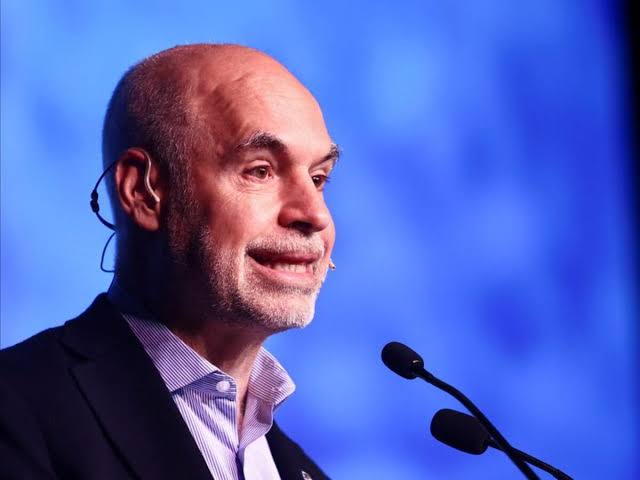
The debate over a new electoral law for Santa Cruz began to focus on PASO and the design of the single ballot. Pedro Muñoz, provincial deputy of the Coalición Cívica ARI, defined both points as the most significant elements of his party's proposal. The Committee on Constitutional Affairs agreed before the recess to invite the parties to provide input on the presented projects.
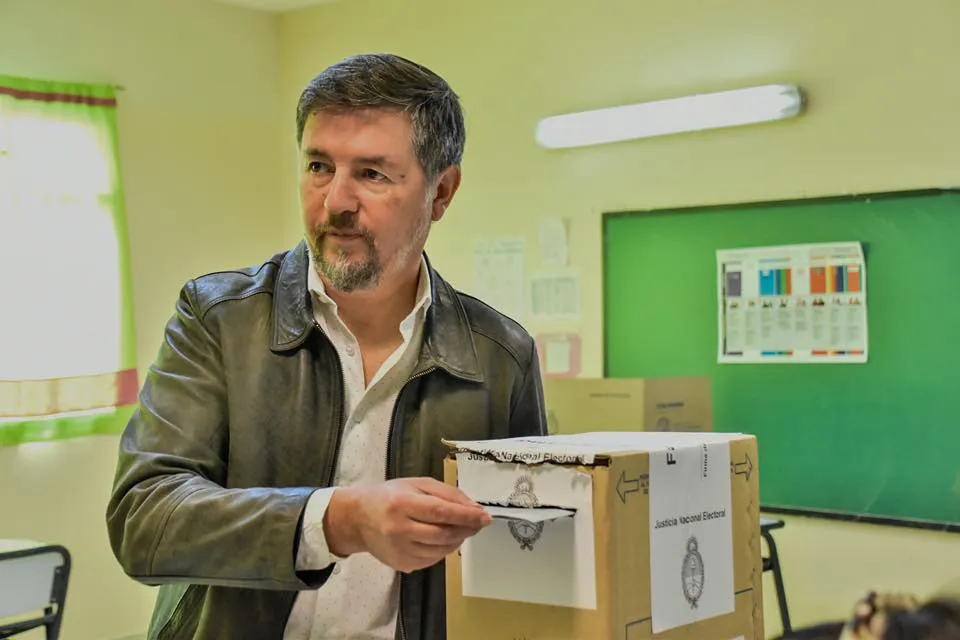
Muñoz defended a single ballot per category. Other legislators propose a single paper ballot that gathers all categories on a single ballot. The difference is not only graphical: each design modifies the way the voter combines options and the relationship between executive and legislative candidacies. There will also be discussion about the continuity or the format of the primaries.
The deputy raised an issue regarding gender parity and replacements. He pointed out that 80% of the lists are usually headed by a man and that, in the event of a vacancy, the rule can result in the third person assuming the position instead of the woman in second place. In his view, this consequence affects the D'Hondt system and the representativeness of the order defined by the votes, so he requested a review of the mechanism.
The runoff appears in some projects, although Muñoz warned that it could require a constitutional reform. Regarding Ficha Limpia, he considered a consensus possible, but reminded that there is already a specific law and suggested evaluating whether it is convenient to expand it separately. He also supported mandatory public debate for executive candidacies, within the electoral law or through complementary regulations.
The committee unanimously approved inviting parties without legislative representation. Muñoz mentioned Partido Obrero, Partido Socialista, Unión Cívica Radical, and Encuentro Ciudadano. In response to the complaint from Jairo Guzmán, from La Libertad Avanza, about an alleged lack of invitation, he stated that he would review the case and asserted that the invitation must reach all spaces so that they can know the texts and provide contributions.
The reform still does not have a final draft or agreement on its central instruments. The next step will be to meet with the parties and compare the alternatives of PASO, single ballot, parity, runoff, clean slate, and debates. Muñoz hopes to close the work during this legislative period to avoid approval around March or April. Until then, each point represents a position under discussion, not an existing electoral rule.