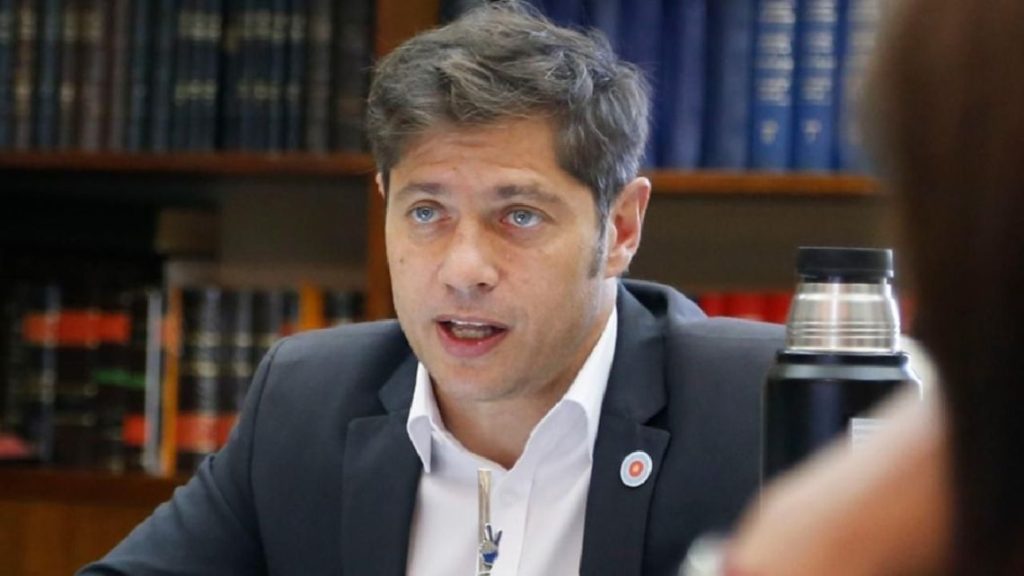
Axel Kicillof challenged the change to the Cold Zones scheme approved by the governing bloc in the Senate, arguing that many municipalities in Buenos Aires Province will lose residential gas discounts. He described the decision as having an immediate territorial impact and said mayors had begun conveying concerns about households, shops and productive activities.
The scheme had expanded differentiated tariffs to regions where low temperatures increase gas consumption. According to Kicillof, the new boundaries would leave only Carmen de Patagones within the benefit in Buenos Aires Province and remove the other districts added under the expansion. He also said other provinces would lose part of their coverage. Kicillof also said signatures had been collected and warnings sent to the national executive before the vote, without changing the legislative outcome.
The governor blamed the national government and described its negotiations with provinces as political pressure. He argued that withdrawing cold-zone benefits had been linked to a promise to address high-temperature areas through another mechanism. That description reflects Kicillof's stated position in the broader dispute between the provincial administration and the Casa Rosada.
His economic criticism focused on the accumulated rise in utility bills. Kicillof claimed that tariffs had increased by 1,600% under the national administration and said many families already struggled to pay even with the discount. He warned that losing the benefit would deepen payment difficulties and increase demands on municipalities.
He also demanded that senators and representatives who supported the change explain their votes in the affected districts. Kicillof placed the decision in a context of weaker production, employment, commerce, industry and regional economies. He did not provide a consolidated estimate of affected users, but insisted that the number of municipalities was substantial.
The province's room for response appears limited. Kicillof said his administration tries to offset some national measures, but argued that a federally designed tariff policy cannot be fully corrected with provincial instruments. The dispute therefore combines energy subsidies with the distribution of fiscal responsibilities among national, provincial and municipal governments.
The issue also entered the agenda of Movimiento Derecho al Futuro. Referring to a recent event, Kicillof said his willingness to participate in a federal political project stemmed from governing Buenos Aires under severe constraints. He added that candidacies should be the result of that process rather than its starting point.
Next steps will depend on the final implementation of the reform and the precise list of municipalities and users excluded from the scheme. While mayors assess local effects, the provincial government will maintain its political and legislative objections. The immediate question is how much bills will rise and whether any tool can cushion the change. The response will also depend on whether the regulation provides a transition for current beneficiaries or applies exclusion immediately in the next billing period.