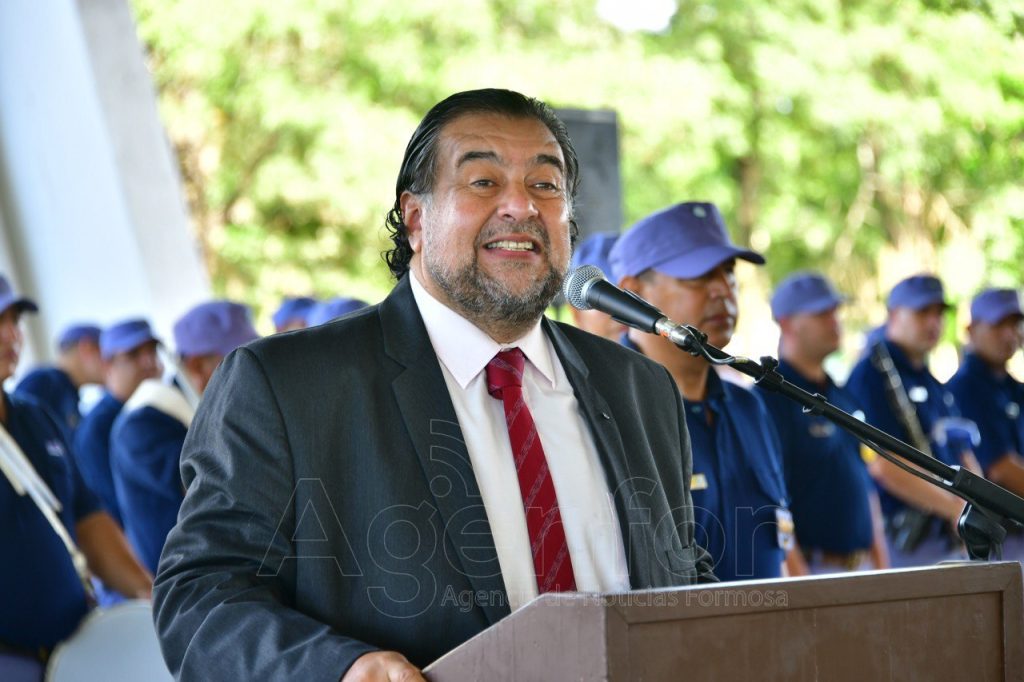
Formosa brought together two parts of its response to human trafficking in one event: operational training for those involved in investigations and assistance for victims afterward. The session was held on July 30, World Day against Trafficking in Persons, at the Higher Police Training Institute in the San Antonio neighborhood of the provincial capital. Its stated aim was to improve prevention, criminal prosecution and comprehensive support.
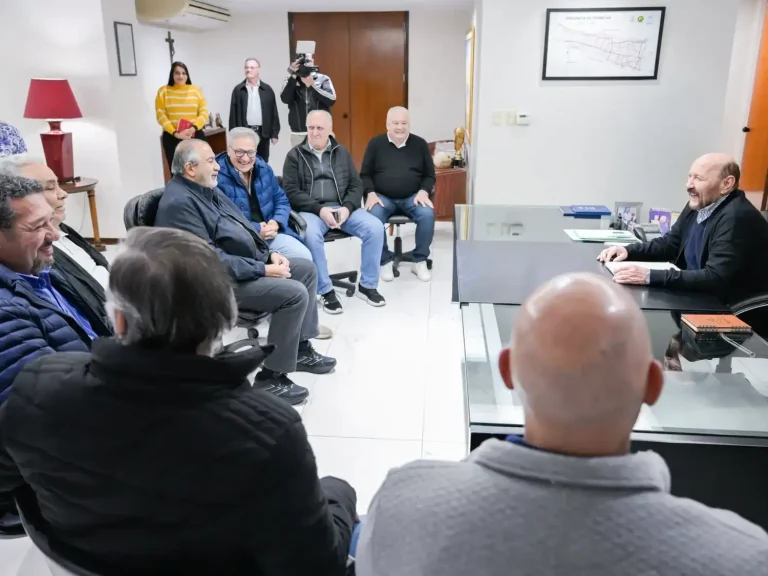
The Ministry of Government, Justice, Security and Labor organized the event through the Human Rights Undersecretariat, alongside the provincial police and with participation from the Federal Public Prosecutor's Office. Senior police officers, provincial forces and representatives from culture, education and human development agencies attended. The format brought institutions with different responsibilities around the same table for a crime that crosses jurisdictions.
Minister Jorge Abel Gonzalez focused on the recent implementation of the new Federal Criminal Procedure Code. He said the change requires updated procedures, permanent training and coordination among provincial authorities, national agencies and security forces. He also identified prevention campaigns, public participation, police education and sustained political commitment as necessary parts of intervention before and after a case is detected.
The session also presented the Rights Restoration Program, which Formosa joined through an agreement with the national Justice Ministry. Undersecretary María Sylvina Arauz said the program is already in force and applies to victims involved in judicial cases. Financial assistance equals one minimum wage for three months, may be extended for three more, and then continues at half a wage until one year is completed.
The plan is not limited to cash. The province provides tools and job training, health coverage, educational access and restoration of identity rights through the Civil Registry. Its design recognizes that leaving an exploitation network creates needs that do not end with a complaint or police action, and that recovery requires material autonomy and the rebuilding of rights.
Several reporting channels remain available. Suspected trafficking or exploitation can be reported through the free, anonymous 145 hotline, operating 24 hours a day; the provincial 911 line, specialized police units, Labor Undersecretariat offices and field inspections are also available. The next test will be turning training and the program into effective coordination from the first report through long-term support.