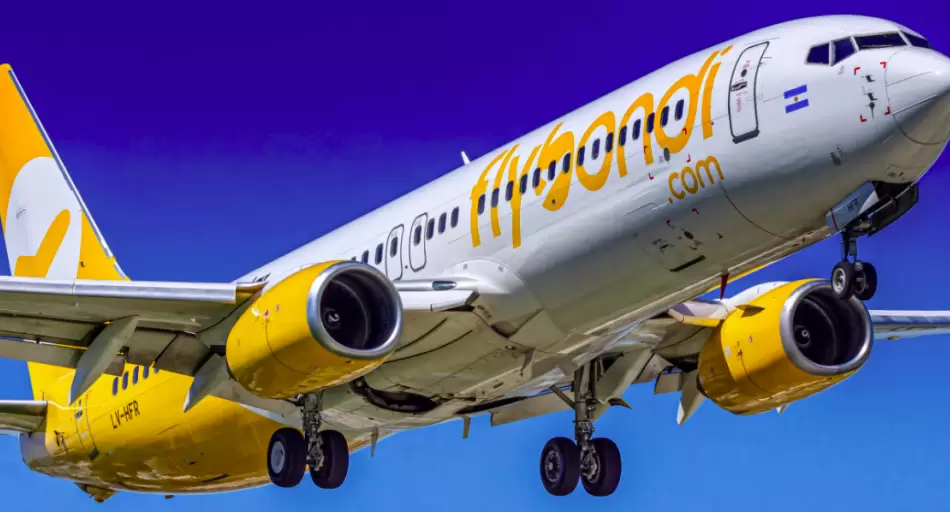
Flybondi is going through the most severe crisis since its creation, and the case is again placing the sustainability of the ultra-low-cost model in Argentina under scrutiny. The company has not been declared bankrupt and has not announced a definitive shutdown of operations, but the combination of a reduced fleet, frequent cancellations and financial strain has sharply eroded passenger confidence.
The operational deterioration accelerated during 2026. The company canceled more than 20% of its scheduled flights and, since April, that level reportedly rose to about 36%. The most visible figure is aircraft availability: after having around 19 aircraft in January, during June and July it managed to operate with only two to three units.
The fleet reduction created a cycle that is difficult to break. Fewer aircraft mean less capacity to meet the schedule, more rescheduling and further cancellations. That deterioration feeds distrust among passengers deciding whether to buy tickets, reduces future sales and weakens the cash flow an airline needs to sustain operations, maintenance and commercial commitments.
Flybondi had been born as the first Argentine airline structured under the ultra-low-cost model. Its proposal combined low fares with charges for additional services, such as baggage or seat selection. After beginning operations in 2018, it secured a place in the domestic market, expanded routes after the pandemic and competed with Aerolíneas Argentinas and JetSmart, reaching a market share that at some points approached 25%.
Growth, however, exposed operational and financial weaknesses. The company relied on leased Boeing 737-800 aircraft, a structure that requires predictability in maintenance, payments and technical availability. Aircraft taken out of service because of pending repairs and debts to workshops reportedly reduced real operating capacity against a schedule that could no longer be sustained normally.
The 2025 shareholder change, with the entry of the COC Global Enterprise fund, was not enough to reverse the immediate picture. Although an investment of US$1.7 billion was announced to add up to 35 new aircraft, the recent situation has been marked by a smaller operation, rising financial obligations and a rapid loss of confidence.
Flybondi's crisis goes beyond the fate of one company. In a vast country where air connectivity shapes costs, tourism, regional integration and mobility alternatives, the fragility of a national low-cost airline raises a larger question: how to sustain competition, affordable prices and operational safety when financing runs out before demand does.