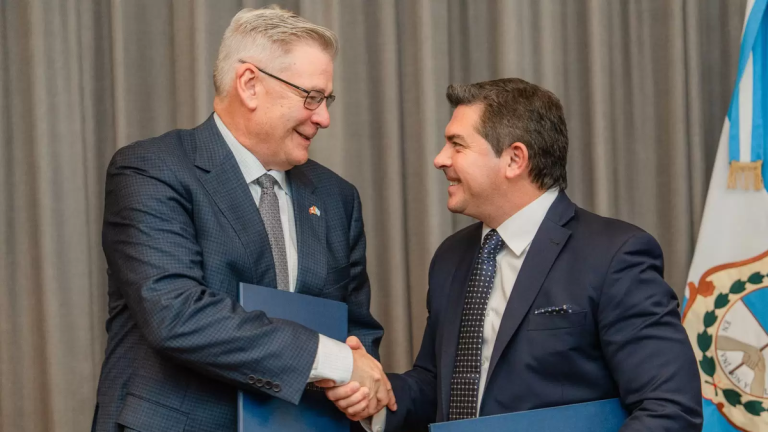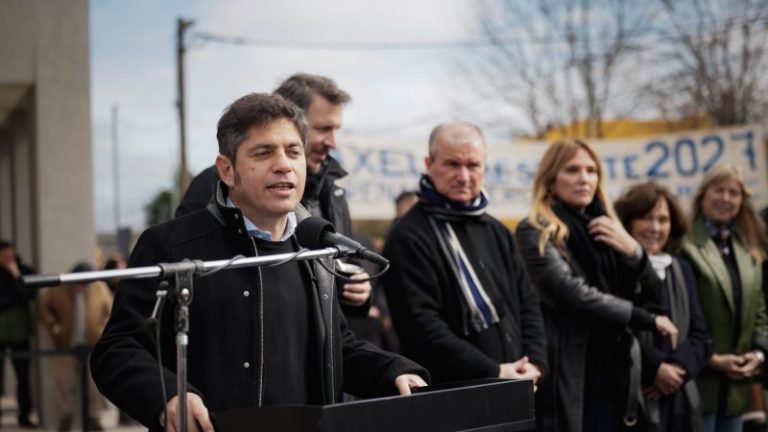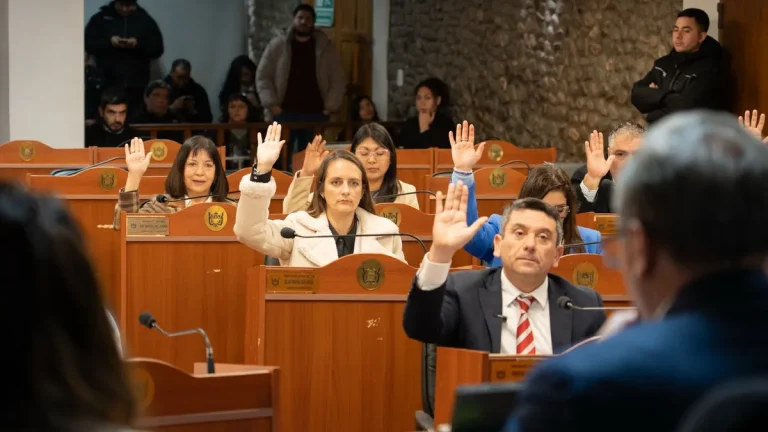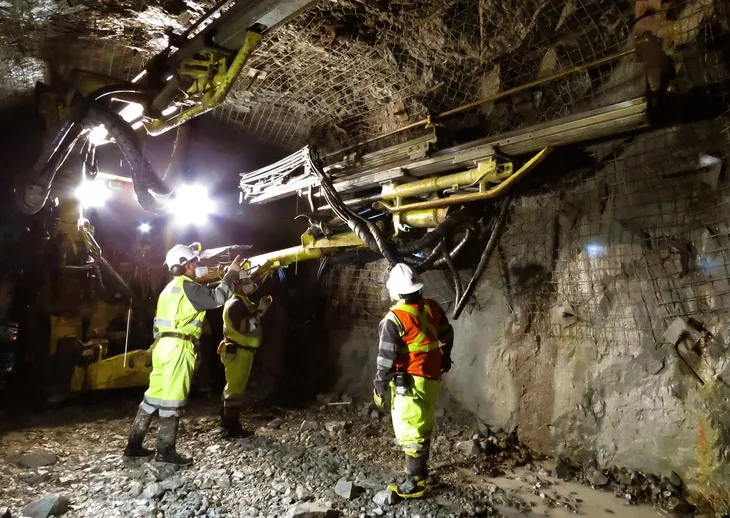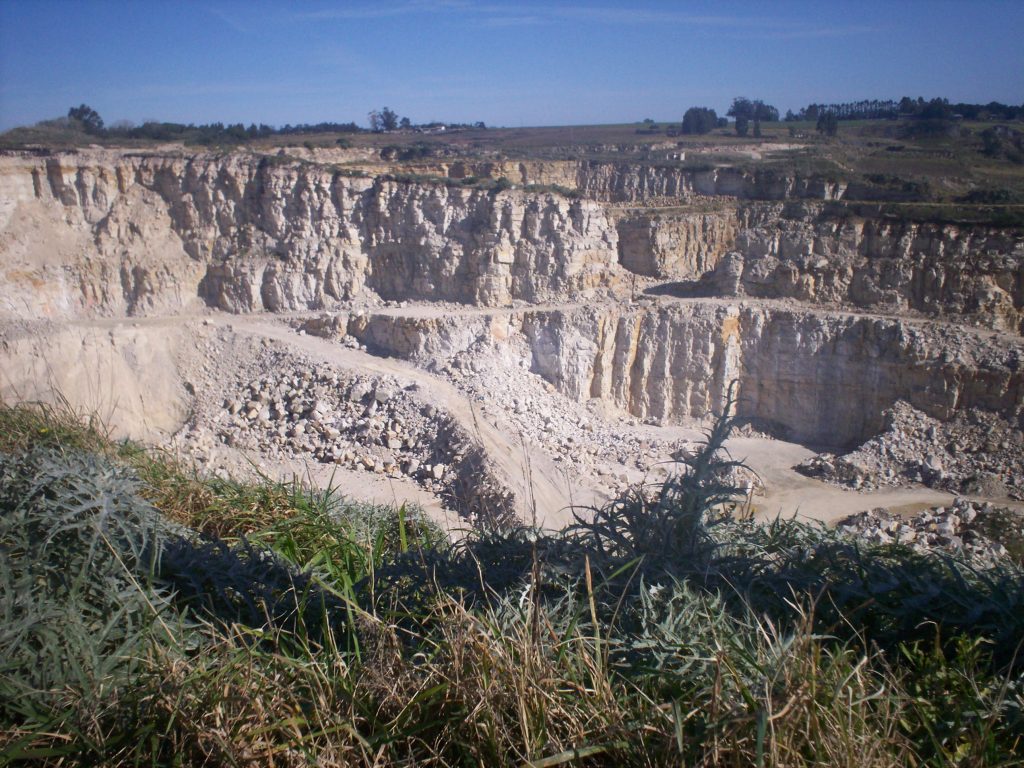
The Comisión de Industria y Minería of the Buenos Aires Senate took its agenda to the center of the province to survey the quarry crisis. The body, presided over by Sergio Vargas, met with entrepreneurs and sector representatives and visited Cerro Redondo, one of the 11 quarries of Azul. The diagnosis linked the contraction to the decline in private construction and, mainly, to the halt of national public works.
The situation is not uniform, but the reported levels show a severe contraction. Crushed granite quarries are operating, in general terms, at around 30% of their capacity and are selling below their costs to sustain wage payments. In some establishments, production is already around 20% of installed capacity. These figures describe cases and sectoral averages mentioned during the tour, not a single value for all operations in Buenos Aires province.
The labor impact appears with special strength in Olavarría. Alejandro Santillán, local manager of AOMA, stated that the union's registry went from 2.300 to 1.600 workers. He also affirmed that operations that previously dispatched more than 200 trucks now send barely 10 or 20. According to the union, some quarries began selling machines to cover debts and salaries, a sign of loss of productive capacity as well as employment.
Senators Sergio Vargas, María Inés Laurini, Marcos Pisano, and Evelyn Díaz participated in the tour. Vargas explained that the commission seeks to hear directly from companies and workers in order to build legislative proposals. The activity did not conclude with the presentation of a concrete project or with a financial solution: it produced a political survey of a crisis that the sector attributes to the lack of demand and public works.
The agenda also included a meeting at the Azul City Hall about the coordination of the mining hub with the educational system. Educational authorities, training institutes, and the Undersecretariat of Mining analyzed how to connect professional profiles with productive needs. That discussion looks at the medium term, but coexists with an immediate urgency: underutilized plants, deficit sales, and an already visible reduction in employment.
The commission plans to continue its visits in San Nicolás, Bahía Blanca and their regions. The next verifiable outcome will be whether the claims collected are translated into legislative initiatives, support instruments, or reactivation measures. For now, the evidence presented describes a specific crisis of the quarries and rocks in the central Buenos Aires area; it does not authorize extending the same situation to all mining sectors in the province.