The $250 million agreement between the Government of San Juan and the mining company Vicuña began to change party positions before its legislative processing. The operation provides the administration of Marcelo Orrego with a source of funding for infrastructure in a context of reduced national public works. Its electoral impact is a political interpretation: business investment does not constitute support for a candidacy nor does it by itself guarantee management results.
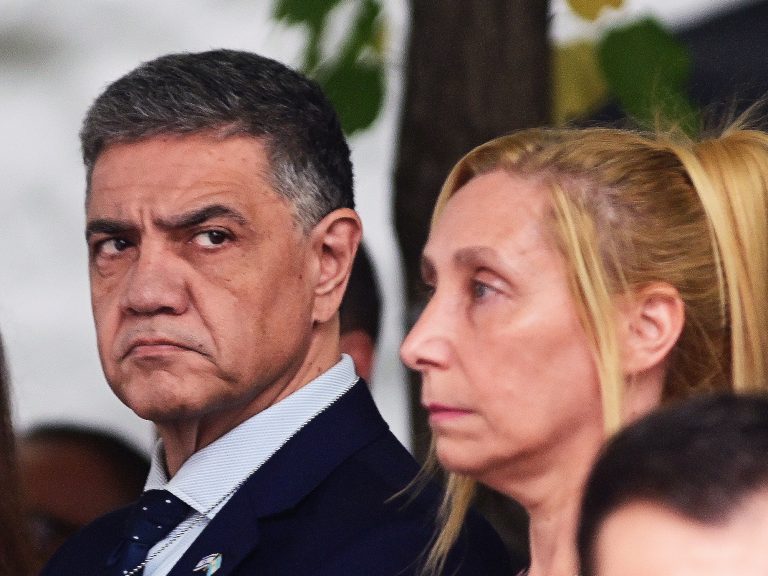
The contribution is added to the provincial process to place 600 million dollars in international bonds. They are different operations, with their own origin and mechanisms, although both could increase the resources available for works. This financial window arrives while Orrego prepares his reelection project for 2027 and needs to turn the financing into visible achievements, with Ruta 40 Norte among the first announced destinations for the money from Vicuña.
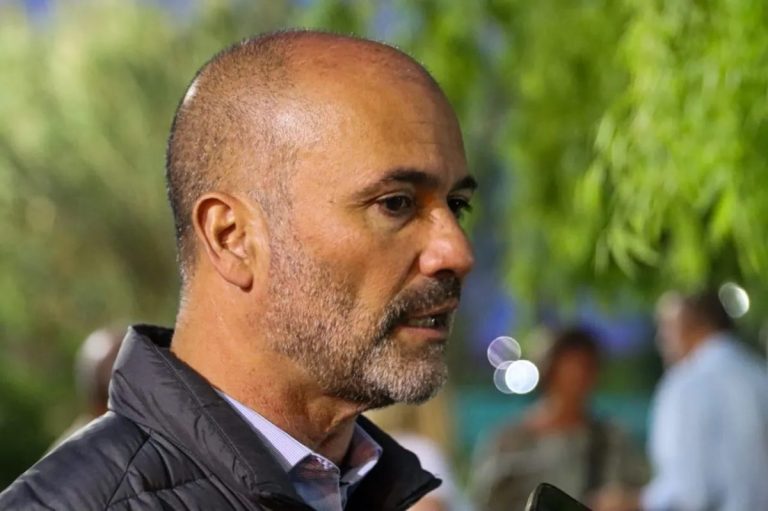
The Partido Bloquista early defined its support. Its president, Luis Rueda, directed the four votes of the bloc in favor of the agreement and reaffirmed a political partnership that is already part of the administration and participated in the national legislative alliance of 2025. ACTUAR, Dignidad Ciudadana, PRO, and UCR are part of the ruling party, so the bloc's backing gains greater weight as a signal regarding the future electoral structure.
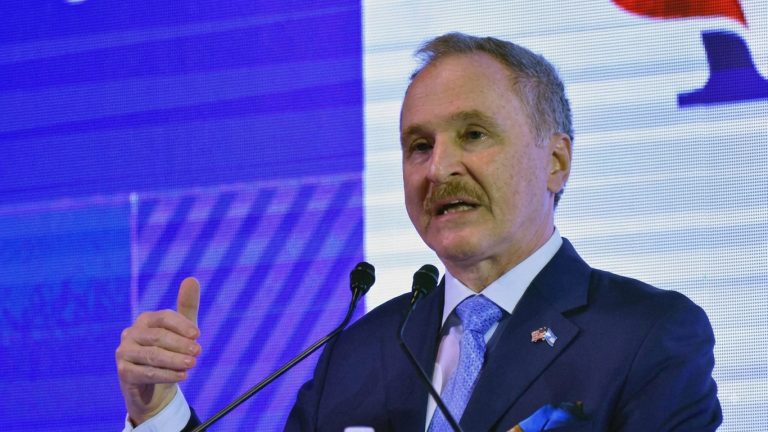
From the national Government a gesture appeared, not an agreement. Federico Sturzenegger publicly congratulated Orrego, used the announcement to defend changes in the Glaciers and Lands laws, and revived speculation about a convergence with La Libertad Avanza. The San Juan libertarian leadership, headed by José Peluc, did not publicly celebrate the agreement, but neither did it issue a criticism. The decision about competing or reaching an agreement in 2027 remains open.
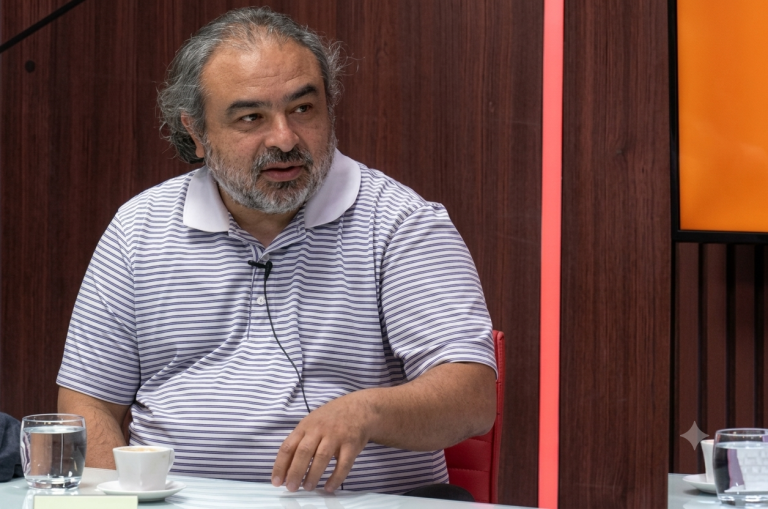
Peronism faces a more complex position because the administrations of José Luis Gioja and Sergio Uñac promoted provincial mining development. Cristian Andino stated that dollars are welcome, but demanded questions and a review of the wording of the agreement in the committees. Uñac's sector suggests that the contribution could anticipate legal obligations of Vicuña, while other opposition legislators have already shown willingness to support Executive initiatives.
The ruling party has enough votes, and the debate will focus on the conditions of the agreement and on how each party explains its decision. The next step will be the analysis in committees and then the vote on the agreement. From there, the discussion will no longer be only partisan: the administration will have to show how it manages the 250 million dollars, what projects it finances, and what controls it applies to separate an infrastructure opportunity from electoral projections toward 2027.