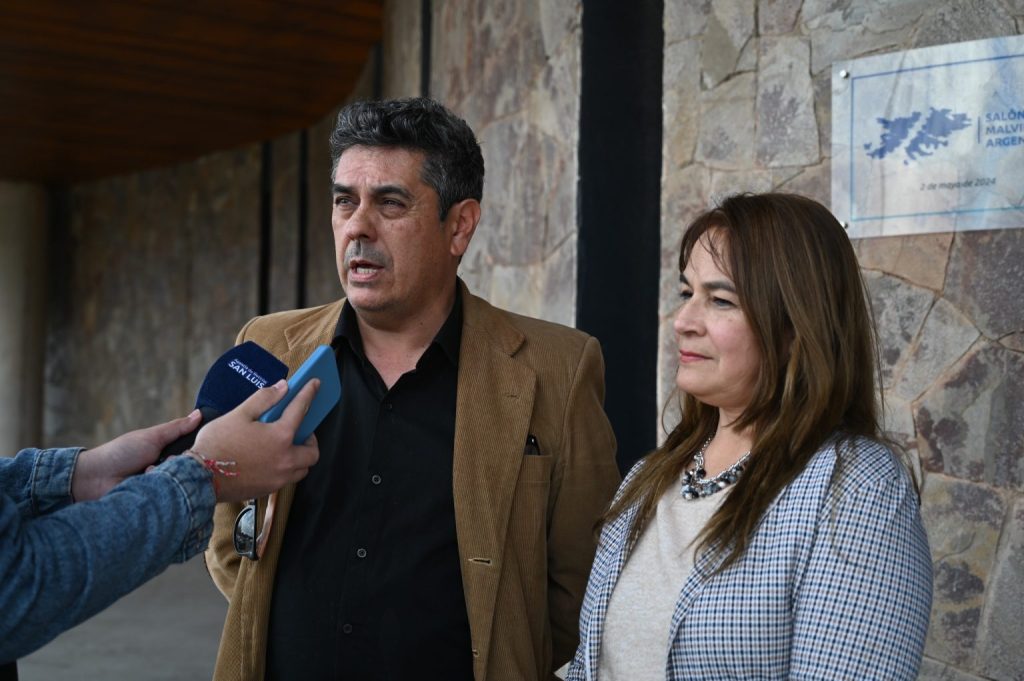
An authorization granting access to raw water has changed the outlook for a livestock venture still consolidating its operations in Las Chacras, San Martín department. Ariel Pereira and Roxana Jolivet received the document during an event led by Governor Claudio Poggi at Government House. For the producers, the measure addresses a basic need that had limited the growth of their activity.
The project began five years ago and, Pereira said, remains at an early scale. Livestock production requires a stable water supply to sustain animals and organize operations, which is why he described the service managed by San Luis Agua as irreplaceable. The resolution turns a request made by the entrepreneurs into concrete authorization to strengthen the farm.
The case also reveals the gap between productive opportunities in the province's interior and awareness of them in the capital. Pereira argued that officials must maintain face-to-face contact with people working outside the main urban centers. In his view, that presence allows needs to enter public decisions when they might otherwise remain unseen despite available resources and development possibilities.
Jolivet placed the intervention in a broader economic context. She said the national situation makes state support for producers necessary to activate the economy, and defended cooperation with the private sector as a path to San Luis's growth. In her account, public assistance does not replace the producer's initiative; it allows a small venture to overcome a material constraint.
The couple's goal is to move their livestock unit toward self-sufficiency. That requires first stabilizing local operations and then making a modest contribution to provincial and national production. Access to water therefore becomes the condition connecting an embryonic farm with the possibility of sustaining more production over time.
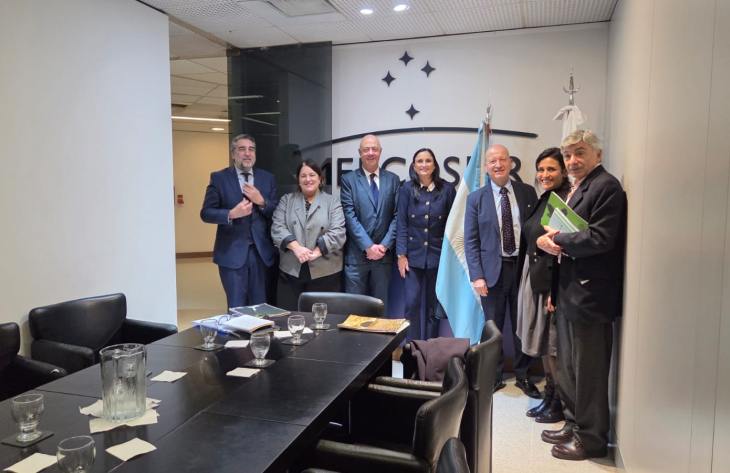
The resolution was presented in the Malvinas Argentinas hall during a government event focused on support for the private sector. The ceremony translated a general policy of productive cooperation into a decision with identified recipients, a precise location and a specific resource. It also showed the direct impact of water infrastructure on rural entrepreneurship.
The next step will depend on San Luis Agua effectively providing the service and on the farm's ability to turn it into greater productive stability. Pereira and Jolivet now hold the authorization they requested; the outcome will be visible in the development of a project seeking to move beyond its initial stage while remaining rooted in Las Chacras.