Sheep producers from Chubut warned that predation causes losses equivalent to between 20% and 25% of their flocks each year. The estimate was presented by Andrés Fajardo, president of Sociedad Rural de Comodoro Rivadavia, who described a situation that deteriorates the economy of the establishments and puts pressure on the continuity of the activity.
The calculation expresses the evaluation of the producers represented by the rural entity and not an official measurement presented with detailed methodology. Even with that caveat, the reported range illustrates the problem that the sector attributes to predator attacks. The loss is not limited to the value of each animal: it also affects reproductive planning, future scale, and livestock availability.
Sheep production occupies a historical place in Patagonia and supports employment in extensive rural areas. For small and medium establishments, a repeated reduction of the flock can absorb margins already conditioned by costs, distances, and operational difficulties. Fajardo pointed out that economic deterioration jeopardizes the viability of producers who have less capacity to distribute risk or replenish animals.
The entity demanded urgent control measures. The request is based on the idea that the current response is insufficient given the frequency of the attacks. The communication does not specify which instruments should be applied, which species concentrate the damage, how many establishments were surveyed, or during what period the disseminated percentage was constructed.
These pending data are important for designing interventions and evaluating results. A management program requires distinguishing territories, predator density, production systems, and environmental effects. The urgency expressed by the producers must be coordinated with technical and regulatory definitions that allow reducing losses without turning the sectoral estimate into a single figure for the entire province.
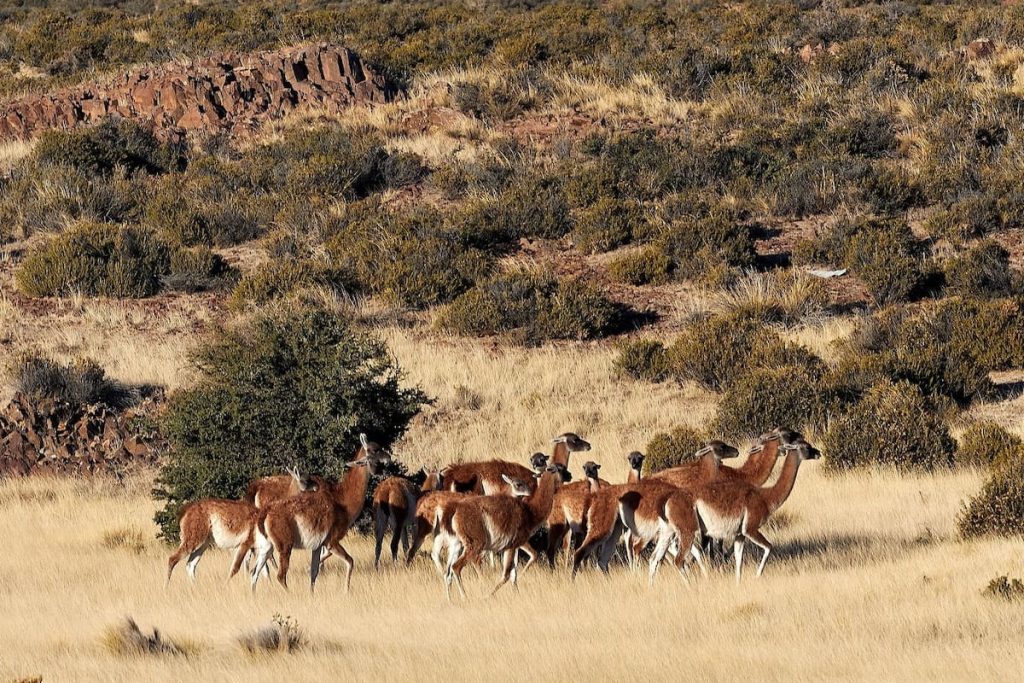
The complaint places predation as a top-line productive problem for sheep farming in Chubut. The available data is the annual loss of 20% to 25% reported by the rural representation. Concrete solutions, their territorial scope, and the necessary resources have not yet been detailed, but the sector warns that the delay increases the fragility of numerous farms.