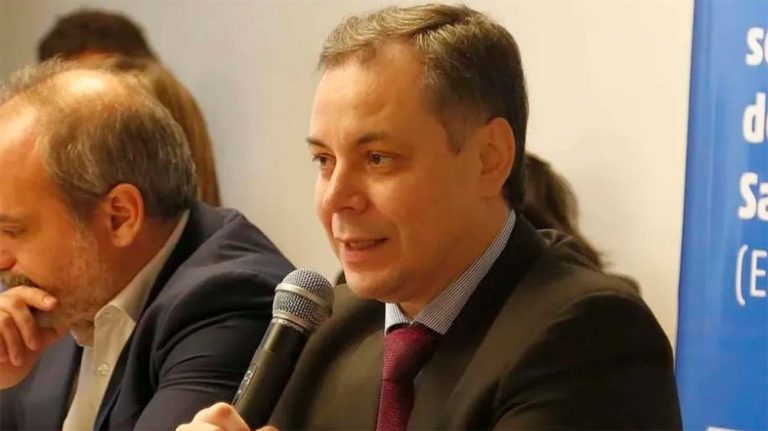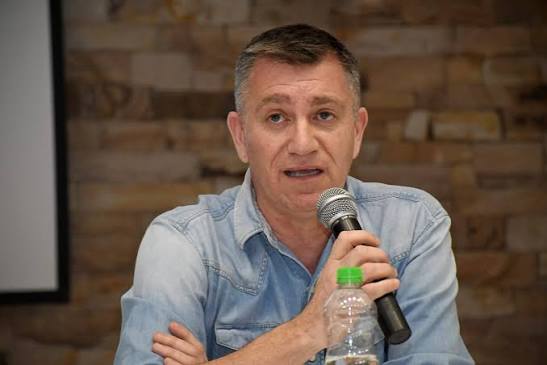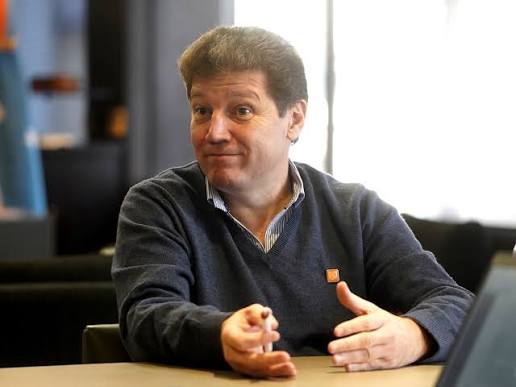
SUTEF presented in the Legislature of Tierra del Fuego a project for the provincial State or the Bank of Tierra del Fuego to purchase public workers' debts and grant a six-month grace period before beginning to collect them. The initiative seeks to interrupt a cycle in which families allocate their salary to the credit card and then use it again for food, taxes, and transportation.
The deputy secretary general of the union, Soledad Rottaris, explained that the problem had been discussed with Executive authorities and with the president of the provincial bank. The union has been working on alternatives since 2024, but considers that the options offered so far have not solved the indebtedness. A rate reduction, she argued, is still a refinancing that maintains interest and does not provide the immediate relief that households need.
The proposal reached Parliament after a mobilization in Ushuaia and after conversations with Raúl Von der Thusen and Victoria Vuoto. The legislators requested that the scheme previously proposed to the Executive and the bank be presented in writing for study. The text is linked to Ley de Financiamiento Educativo, although the proposed mechanism aims to reach public sector workers beyond teaching.
The central point is the purchase of the debt and the postponement of repayment. For six months, those who participate would not face the collection of the obligation absorbed by the State or the bank; afterwards, they would begin to repay it under the conditions that the project will need to define. The initiative still needs to specify beneficiaries, eligible debts, fiscal cost, rate, subsequent terms, and access criteria before becoming an operational tool.
Rottaris linked indebtedness with the fall in purchasing power, the loss of jobs, and the lack of circulating money. He argued that temporarily releasing part of the salary could relieve families and reactivate consumption in local businesses. He also cited a study by the consulting firm MATE according to which a worker from Tierra del Fuego should earn three million pesos to cover transportation, clothing, food, recreation, social security, and health, an amount that current salaries are far from reaching.
The written presentation now opens a legislative stage, not the approval of the benefit. The blocs will have to analyze how the purchase of debts would be financed, what role the Tierra del Fuego Bank would assume, and how to prevent the relief from becoming another refinancing. For SUTEF, the discussion must advance along with the wage readjustment; for the legislators, the next step will be to transform the union proposal into articles, conditions, and numbers capable of being sustained within the provincial budget.