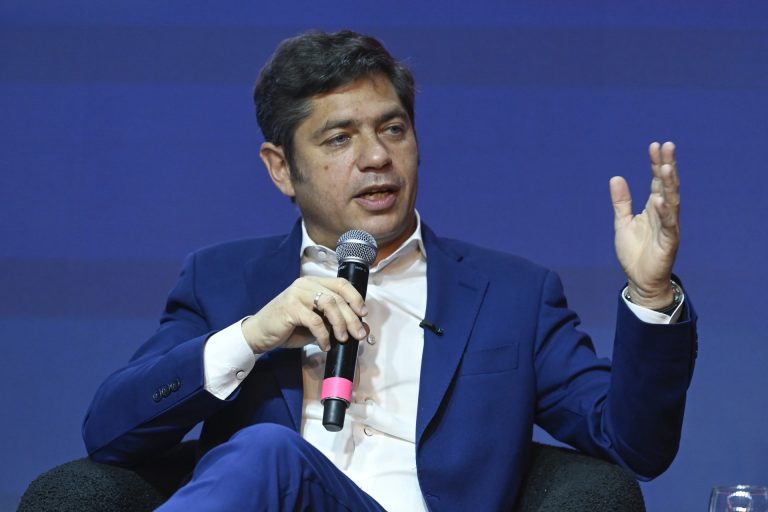
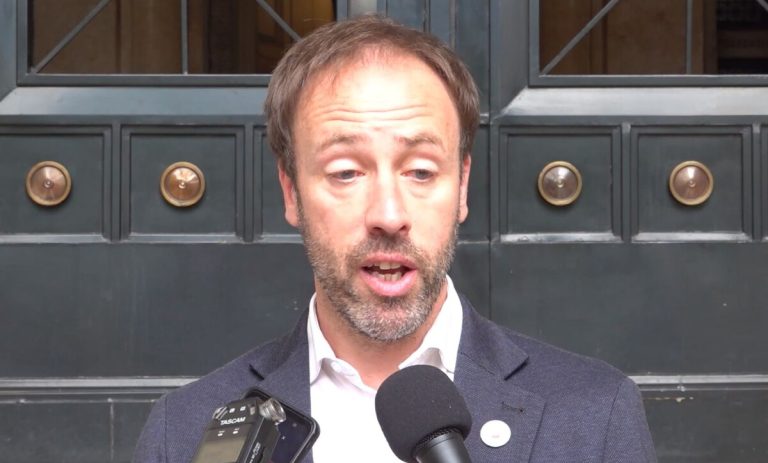
The Santa Cruz government and the Superior Court of Justice agreed to begin resolving two issues affecting the judiciary's operation: a pending wage increase and infrastructure needs. Governor Claudio Vidal received court president Gabriel Contreras together with Economy, Finance and Infrastructure Minister Ezequiel Verbes. The meeting ended with a commitment to start payments and maintain a coordination agenda between the two branches.
The wage decision concerns an agreement reached last year that had not yet been implemented. The provincial executive describes it as a commitment to judicial employees and part of a process of financial normalization. The specific change announced is the start of payment of the increase; the released information did not specify amounts, the number of stages or a complete timetable for settling what is owed.
Verbes said the authorities coordinated the beginning of payment and discussed investments to be made by the judiciary in the same conversation. The meeting thus connected compliance with a labor obligation to the material planning of the service. The agreement was not limited to an income adjustment, but incorporated the conditions in which judicial offices work and provide assistance to the population.
Infrastructure is the second front. The government and the court examined requirements intended to improve operating capacity and respond to growing demand for justice services throughout Santa Cruz. The discussion covers buildings and other strategic investments, although no individual projects, budgets or deadlines were announced. Before executing projects, the parties will have to turn those general needs into priorities and fundable decisions.
The meeting also established a method for the relationship: a permanent working agenda to coordinate actions and advance priority projects. That coordination brings together the executive, responsible for the province's financial administration, and the highest judicial authority, which identifies the needs of its branch. The stated goal is to sustain dialogue, planning and institutional cooperation rather than limit the relationship to an isolated meeting or a wage emergency.
The sequence left open can be verified. Payment of the increase agreed last year must begin first. The government and the court must then define which infrastructure investments will proceed, their scope and their schedule. The meeting established the table and recognized both problems, but its result will be measured through implementation: actual compliance with workers and the conversion of the joint agenda into concrete improvements for the provincial justice service.