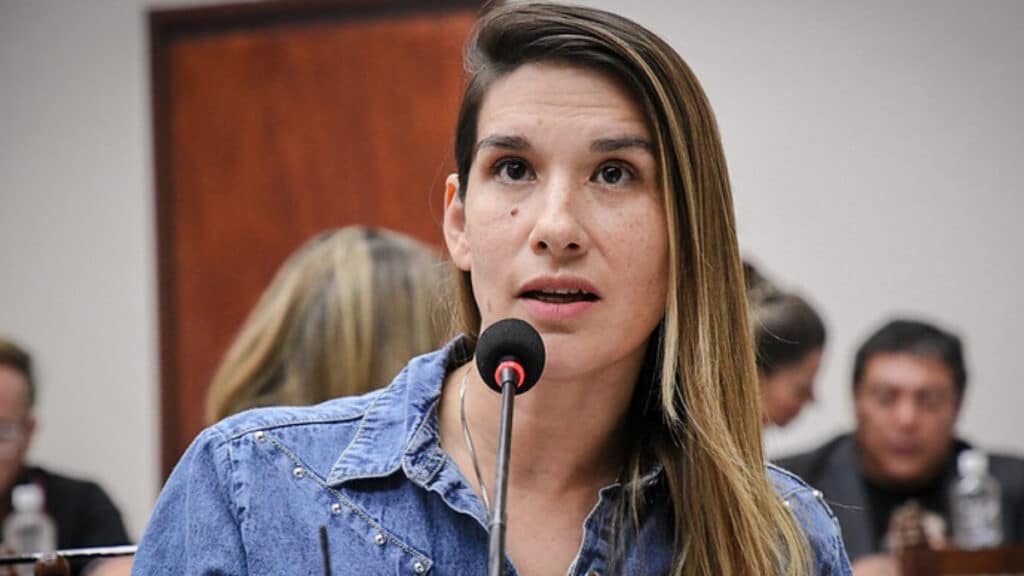
Salta City Council approved two local measures during a session that combined debates over cultural identity, urban noise and jurisdiction. It established 24 June as the Day of the Andean Cockade and declared the city's airspace a protected sound environment against certain messages broadcast from aircraft. Councillors also discussed the Land Law and approved a request for information about bullying prevention.
The Andean Cockade initiative arose from urban Indigenous communities. Councillor Malvina Gareca said it aims to recognise symbols connected with Andean peoples and make the province's cultural diversity visible. She told the chamber that Salta has fourteen Indigenous peoples and nine Indigenous languages. Those figures were presented as part of the cultural and political basis of the measure.
The proposal prompted questions from La Libertad Avanza councillors about the symbol, its relationship with the wiphala and its inclusion in the municipal calendar. The exchange revealed different views on how local government should recognise collective identities. The decision neither changes national symbols nor imposes religious or party obligations; it creates a municipal commemoration whose practical scope will depend on educational and cultural activities.
The second measure established sound protection over the city. It bans advertising, promotional, institutional or campaign broadcasts from aircraft when the sound is projected onto urban areas. Councillor Gustavo Farquharson said the municipality is not regulating aviation, routes, flight safety or aircraft authorisations, which fall under national authority. The local subject is the acoustic effect experienced by people on the ground.
Most La Libertad Avanza councillors sought to abstain, arguing that the ordinance might intrude on national powers. The request failed and the measure was approved. Its practical effect will depend on regulations defining control standards, the enforcing authority, complaint procedures and penalties. Coordination with aviation bodies will also be required so that noise rules do not interfere with flight safety and circulation.
In another part of the session, Councillor Laura García criticised a Supreme Court decision concerning the Land Law and Decree 70/2023. Her comments represent her political position, not a judicial determination by the council. The underlying issue concerns national rules on rural property and land control, so legal consequences must come from the relevant files and courts rather than a local political statement.
The council also requested information from the provincial Education Ministry on anti-bullying policies. The proposal by Gonzalo Nieva asks about protocols, professional teams and interdisciplinary intervention while protecting children's privacy. It does not itself create a new programme, but it can provide data on coverage, response times and coordination among schools, families, health services and child-protection agencies.
Three different follow-up tracks now apply. The municipal executive must regulate and enforce the sound measure; cultural and education departments may define activities for 24 June; and the Education Ministry must answer the bullying request. The session combined diverse subjects, but each requires its own instruments, verifiable deadlines and respect for national, provincial and municipal powers.