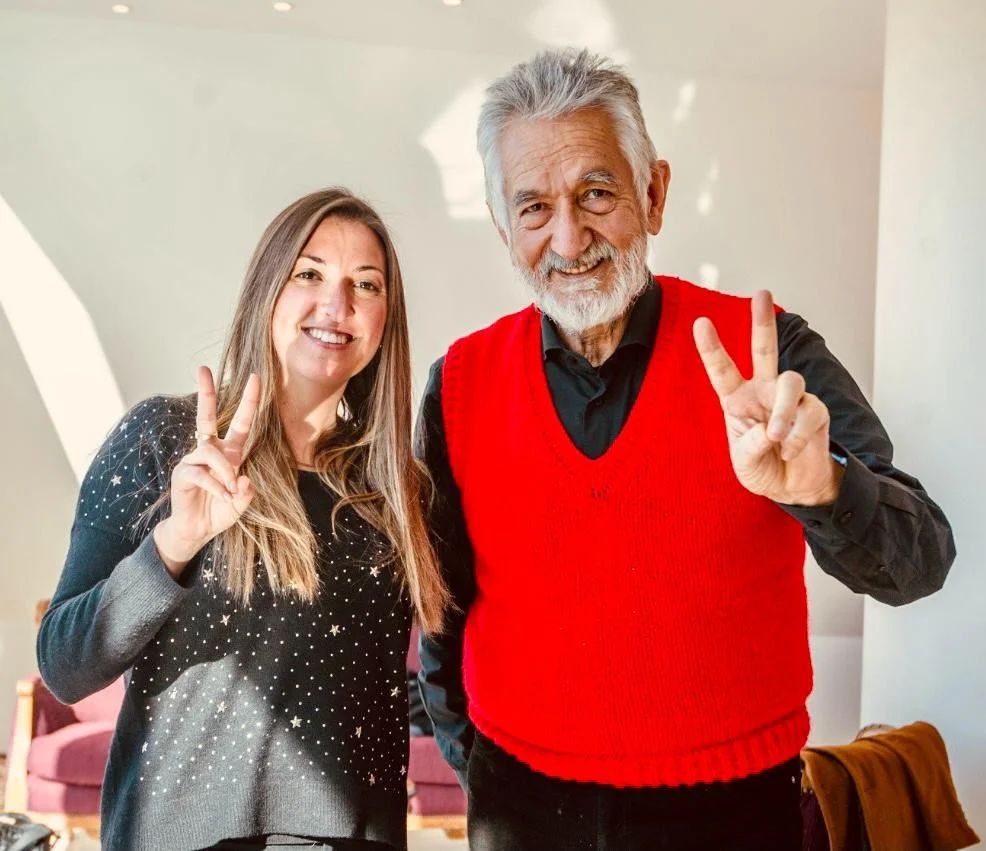
Alberto Rodríguez Saá led a meeting with young members of the San Luis Justicialist Party at the Compromiso Federal headquarters. The former governor and current provincial PJ president presented it as a listening session and a step toward party reorganization amid internal debate over the future of Peronism in the province.
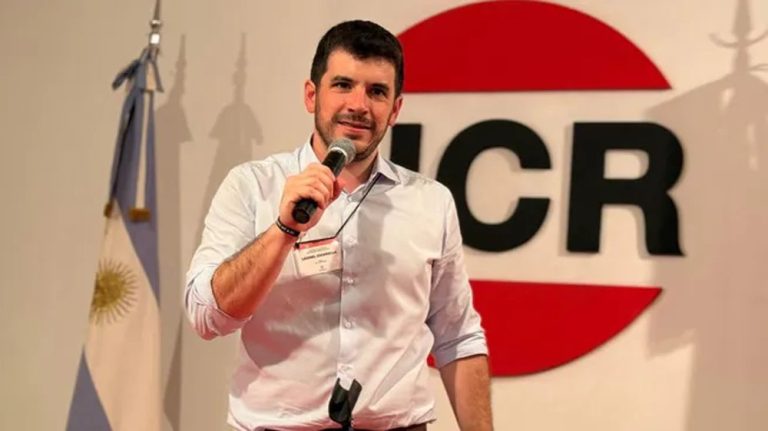
The event was moderated by party vice president Eugenia Catalfamo and brought together participants from Villa Mercedes, La Toma, Quines and other towns. The room was full, and the young speakers focused on employment, access to health care, education, public works and provincial identity.
Rodríguez Saá argued that political rebuilding should rest on solidarity and a return to Peronism's historical principles. He also connected the meeting with the October 17 commemoration and invoked Eva Perón to reinforce a message of party identity and mobilization.
In his speech, he criticized the province's current direction and said San Luis could be rebuilt in six months. The statement amounted to a political pledge, but no government program, timetable, budget estimate or funding source was presented at the event to assess its scope.
Young participants described concrete situations in their communities and called for greater involvement in party decisions. The meeting sought to show a leadership open to those voices, although no formal mechanism was announced to turn the proposals into platforms, technical teams or candidacies.
Rodríguez Saá stressed that recovery could not be left exclusively to one generation. Using the phrase “together is us,” he proposed cooperation between experienced leaders and younger activists and rejected the idea that renewal should completely displace those who previously held responsibility.
The gathering had a clear party-reorganization purpose, but it did not include a personal electoral announcement. The former governor did not formalize a candidacy or specify what role he intends to play in the next provincial process; the stated focus was strengthening the PJ and rebuilding its territorial presence.
The next step will be to see whether the concerns over jobs, public services and development become documents, teams or party actions. It also remains to be determined whether the promise of rapid recovery gains programmatic support and how relations are organized among provincial leaders, local groups and youth activists.