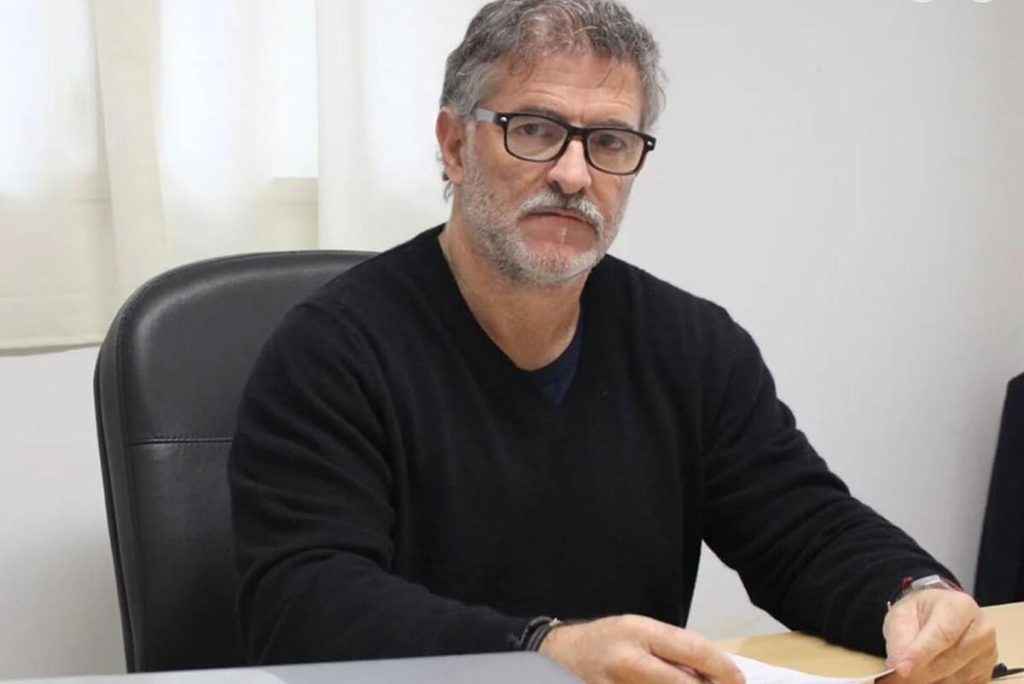
Carlos Quaranta, councilor of Carlos Paz Inteligente, again presented a project to eliminate the Ombudsman's Office of the Carta Orgánica Municipal of Villa Carlos Paz. The initiative had been promoted in July of 2025, but lost parliamentary status for not being addressed. Its reappearance opens an institutional debate with two different proposals about the future of the body.
The Executive led by Esteban Avilés proposes to modify two articles so that the defender and their deputy are elected by the councilors. Quaranta proposes a deeper reform: to convene an exclusive Convención Constituyente that eliminates Chapter III of Title Two, comprised of articles 171 to 181. One option changes the appointment mechanism; the other eliminates the figure of the Organic Charter.
The councilor based his position on the low participation recorded in the 2025 election. Only 17% of the registry voted and 83% abstained. Quaranta interpreted that absence as citizen rejection and questioned the legitimacy of maintaining the structure. He also estimated that the municipal budget allocates around ARS 600 million to the Ombudsman in 2026, an amount that is updated with the general budget.
The proposal does not intend to leave neighbors without channels for complaints. Quaranta suggested maintaining the attention of Defensa del Consumidor through a provincial agreement, strengthening the control of Concejo Deliberante, and activating the Ente Regulador de los Servicios Públicos foreseen in the Organic Charter. That autonomous body should oversee municipal services, a function that today is part of the matters handled by the Ombudsman.
The councilor also questioned the closeness that it attributes to the Executive Department. He cited its involvement in the conflict between the Municipality and Cooperativa Integral over water and sewage, and contrasted that activity with the silence he reproached during the water outage of January 2025. He also criticized positions taken on the environmental situation of lago San Roque, for considering them politicized and distant from the everyday defense of the neighbors.
Quaranta proposed that each councilor periodically attend to complaints and channel them to the corresponding areas. The project will now have to compete with the Executive's reform within the Concejo Deliberante. Neither of the two alternatives is in force: the continuity, the form of election, or the elimination of the Ombudsman will depend on the procedure established to modify the Organic Charter and on the support that each initiative gathers.