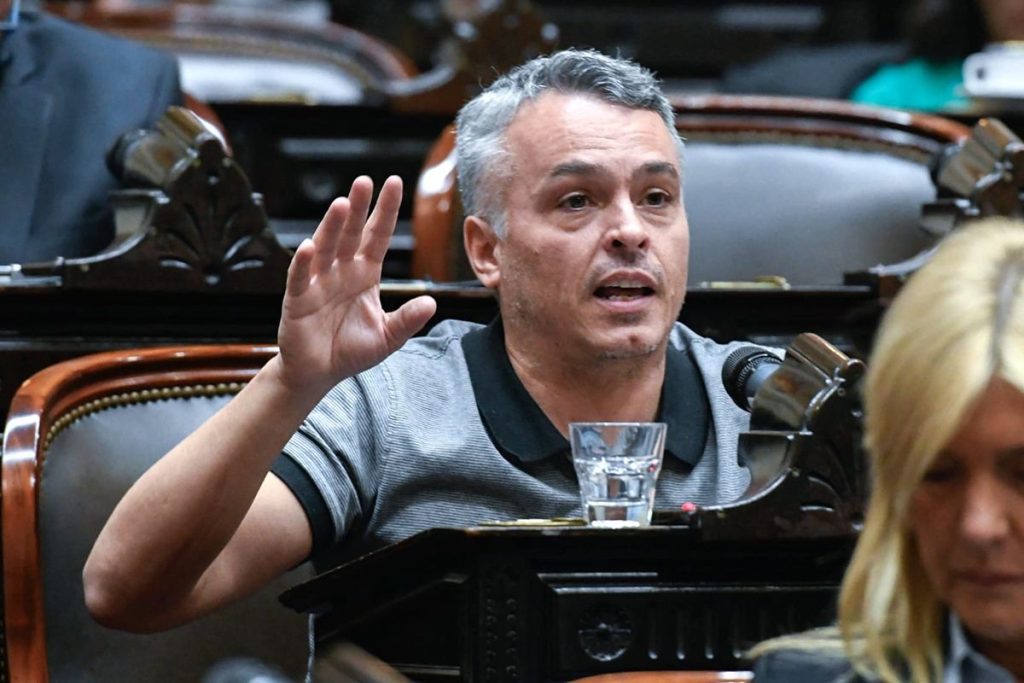
A group of opposition deputies brought the diplomatic tension between Argentina and Brazil into Congress after Luiz Inácio Lula da Silva's reelection. The initiative, led by Esteban Paulón, proposes that the Chamber formally recognize the Brazilian runoff result and ask Argentina's executive branch to urgently repair bilateral ties.
The bill congratulates the Brazilian people on the October 25 election and Lula on securing a fourth term, in accordance with the results released by the Superior Electoral Court. It seeks to turn into an institutional position what the Argentine government had not publicly expressed when the measure was filed.
Paulón argued that Javier Milei should acknowledge the victory and move beyond his political confrontation with the Brazilian leader. Other presidents in the region and abroad had already sent congratulations while the Casa Rosada remained silent about the election in Argentina's largest trading partner.
The proposal goes beyond a ceremonial greeting. It also asks the Foreign Ministry to take the necessary steps to strengthen political and institutional dialogue after a period of deterioration that included Brazil's withdrawal of Ambassador Julio Bitelli in August and his replacement by a chargé d'affaires.
According to the report, Brazil made that decision after Milei's insults toward Lula. The dispute lowered the level of diplomatic representation and left the relationship hostage to ideological differences even though trade and the Mercosur agenda require permanent coordination.
Deputy Pablo Juliano joined the measure and recalled the 1985 Declaration of Iguazú signed by Raúl Alfonsín and José Sarney. By invoking that milestone, the sponsors placed their demand within more than four decades of democratic integration and treated the relationship as a state policy.
The text stresses the historical, political, economic, social and cultural importance of bilateral ties and their role in South American integration. The opposition says partisan differences should not endanger a partnership that is central to trade, production, regional infrastructure and Mercosur's bargaining capacity.
The initiative now opens a parliamentary debate, but foreign policy remains under executive control. The next step depends on whether the Chamber discusses the bill and, above all, whether Milei recognizes the result and instructs the Foreign Ministry to rebuild political channels with Lula's reelected government.