Neuquén opened a key stage to organize wage policy for the second half of the year. The provincial government began a round of meetings with public-sector unions and presented the province's economic situation, in a negotiation that seeks to combine predictability for workers with the continuity of public services.
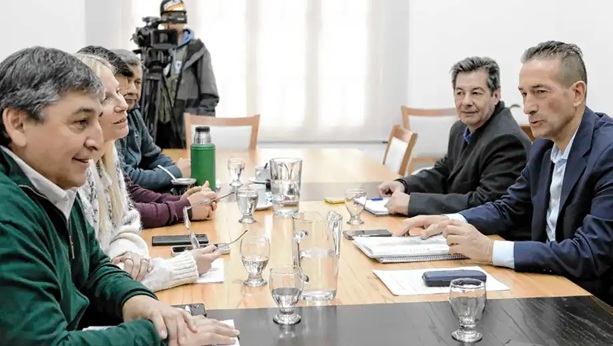
The first stage of talks included meetings with the State Workers Association, the Neuquén Union of Provincial Road Agents and the Union of Civil Personnel of the Nation. The meetings were led by the Minister of Government, Women and Human Rights, Jorge Tobares, together with officials from Treasury, Government, Human Resources and Labor Relations.
The central issue was the continuity of the wage adjustment scheme tied to the consumer price index, although each organization raised different modalities and specific concerns related to its activity. The negotiation was not closed in this first round: it served as a diagnostic stage, a space to present demands and a record of positions for a second-half proposal.
Tobares defended dialogue with the unions as a tool to provide predictability and sustain previously assumed commitments. From the government's perspective, the wage table must help organize labor expectations without losing sight of the administration of provincial resources and the delivery of services to citizens.
Treasury and Finance Secretary Carola Pogliano said the Executive Branch took note of the unions' proposals and will study the demands presented. That definition leaves open a negotiation that must turn sectoral claims into a feasible wage formula, with a direct impact on public employment and provincial accounts.
The next meeting was set for July 28. That encounter stands as the first test of whether the Province and the unions can channel an agreement that sustains purchasing power, preserves labor peace and prevents the wage discussion from becoming a source of conflict during the second half of the year.