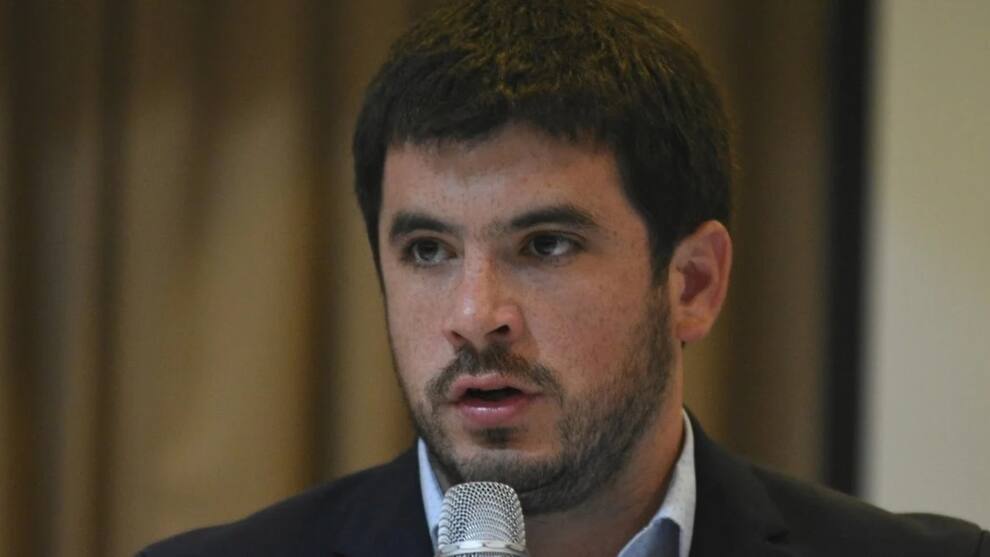
Argentina's Radical Party has again placed the Formosa case at the center of the institutional debate. The president of the Unión Cívica Radical, Leonel Chiarella, traveled to the province to demand that the Supreme Court rule on the reform that could allow Governor Gildo Insfrán to run again in 2027.
The political intervention relied on a comparison designed for public impact: Chiarella recalled that in 1987, the year Lionel Messi was born, Insfrán was already taking office as deputy governor of Formosa. Since then, the Formosan leader has secured eight consecutive reelections and remained the dominant figure in provincial power for almost four decades.
The legal challenge was led by provincial lawmaker Agostina Villaggi, the new president of the Formosa branch of the Radical Party. The dispute centers on the constitutional reform approved last year, which included a transitional clause capable of opening the way for another Insfrán candidacy in the next electoral cycle.
The conflict follows a decisive precedent. In December 2024, the Supreme Court ruled that the governor's indefinite reelection was incompatible with the National Constitution. Then, in November 2025, Procurator Eduardo Casal stated that the new case was closely connected to that ruling and that the country's highest court should exercise original jurisdiction.
Chiarella arrived in Formosa with national party figures, including Piera Fernández, Luis Cerini and Nahuel Breglia. His agenda included visits across the provincial capital, meetings with residents, talks with the Formosa Agrarian Federation and activities with young Radical activists.
For the UCR, the case combines a legal dispute with a political signal about alternation in power, limits on provincial authority and democratic competition rules. For Formosa, the Supreme Court's decision could organize the institutional landscape ahead of 2027 and determine whether the reform is enough to bypass the ruling that had already challenged indefinite permanence in the provincial executive.