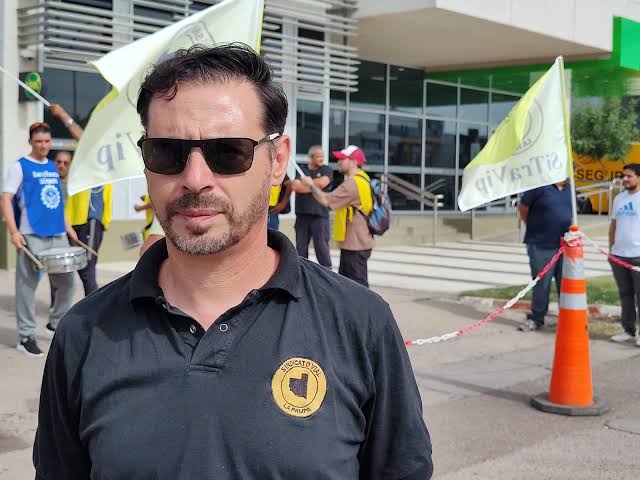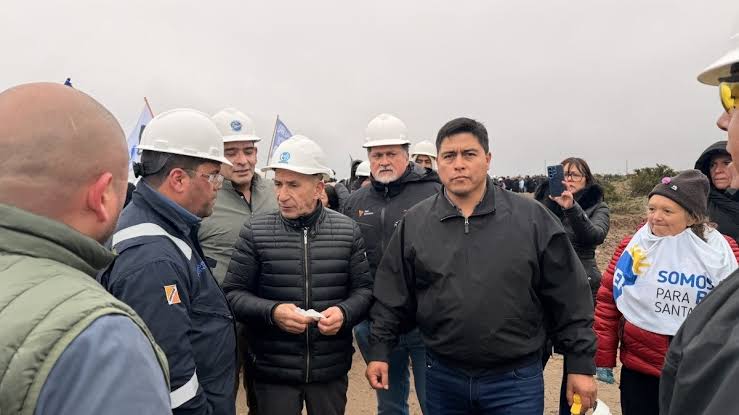
La Pampa's government has opened a new confrontation with opposition members of Congress over a measure related to natural gas. Social Policy Undersecretary Javier Weiz said it would produce an additional 50% increase for users in the province and blamed lawmakers who enabled its treatment. The dispute combines concern over tariffs with the political contest between the provincial administration and opposition sectors preparing an electoral alternative.
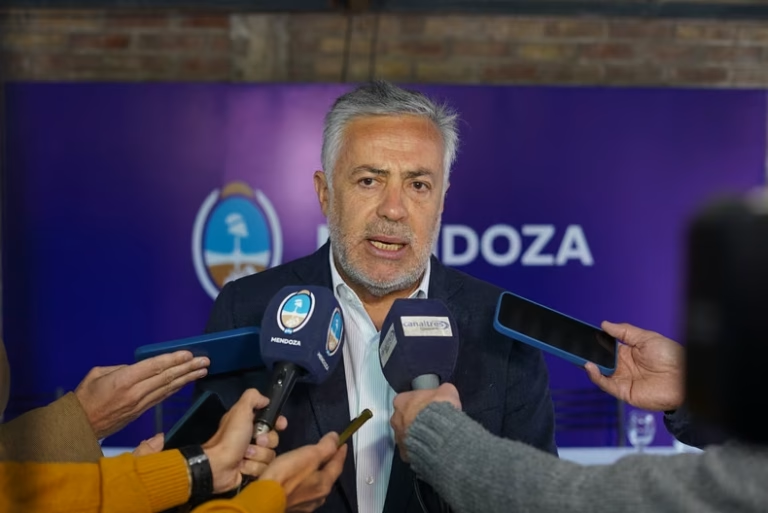
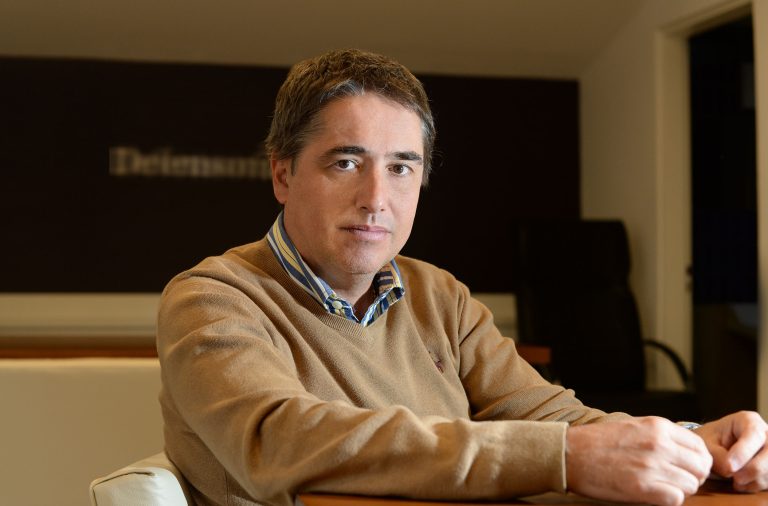
Weiz directed his criticism at lawmakers Huala and Daniel Kroneberger. According to the provincial government's account, Kroneberger helped provide a quorum and Huala voted for the measure. That description reflects the executive's position and should be checked against the official session record, the approved text and the exact role played by each legislator during the parliamentary process.
The official had made a similar accusation in July against Adrián Ravier and Martín Ardohain, saying they had voted against La Pampa's interests and in favour of a harmful change for gas users. Two months later, he presented the new episode as a continuation of that dispute and used emphatic language to challenge the opposition lawmakers involved.
The 50% figure is also an estimate communicated by Weiz. He added it to previous increases that he placed at around 600%, but the available information does not specify the comparison base, user segments, implementation date or final bill composition. Without those details, the percentage cannot be applied automatically and uniformly to every household in La Pampa.
Establishing the actual effect requires identifying the approved rule, any implementing regulations and the tariff schedules for each consumption category. The price of gas, transport, distribution, taxes and subsidies must also be separated. A legislative decision may change one component without producing the same result on every bill, especially when consumption and seasons differ.
The dispute comes as opposition sectors in La Pampa explore agreements to challenge provincial Peronism. The government is using the energy issue to question how those lawmakers represent the province and to link their votes to a direct cost for residents. The lawmakers named will have the opportunity to explain the measure, its rationale and why they believe their actions do or do not harm La Pampa.
The controversy also shows the political sensitivity of gas in a province where winter temperatures and demand make tariff changes especially important. Beyond the partisan dispute, users need verifiable information about timing, affected groups and possible compensation. Official documents will make it possible to distinguish political projections from amounts actually charged.
The next step is to review the parliamentary file and the regulatory decisions that convert the measure into concrete charges. Until then, Weiz's figure should be reported as an estimate attributed to the provincial government, not as a uniform increase already verified. The dispute will remain open both in energy policy and in La Pampa's political preparations for 2027.