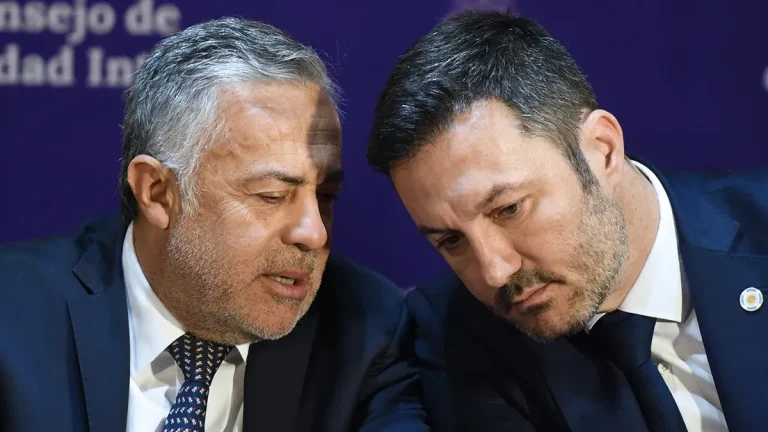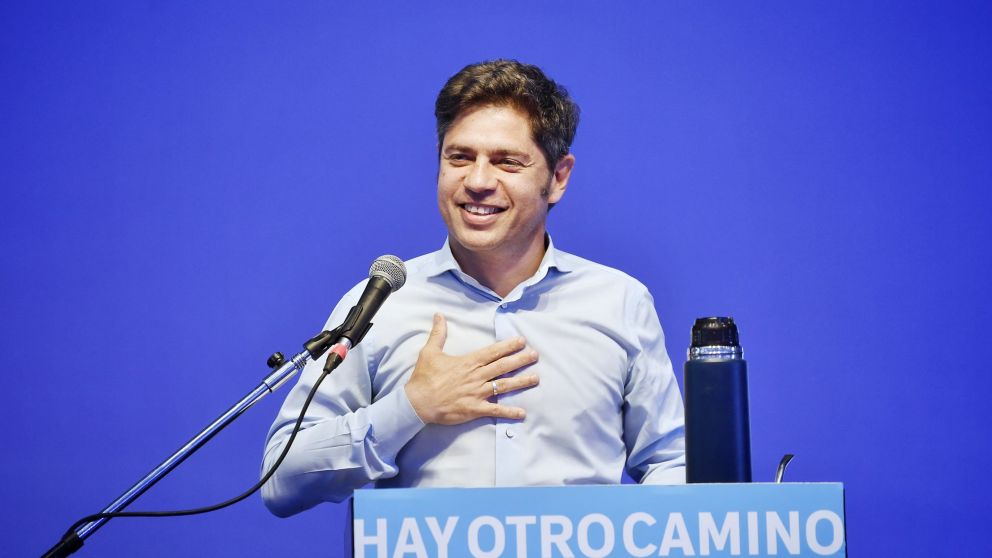
Axel Kicillof met for nearly three hours with more than forty mayors from Movimiento Derecho al Futuro at the Buenos Aires provincial government house. The meeting sought to organize an agenda combining immediate municipal needs with the governor's national ambitions. Carlos Bianco, Cristina Álvarez Rodríguez, Gabriel Katopodis and Andrés Larroque attended as part of the core linking management, party-building and relations with local leaders.
The mayors' main priority was restoring unlimited reelection. Law 14,836, passed in 2016, allows only one consecutive reelection for mayors, provincial lawmakers, councilors and school-board members. Unless it changes, about eighty-one mayors would be unable to run in 2027; fifty-two are Peronists and twenty-eight belong to the MDF. For Kicillof's camp, the issue determines the continuity of its central territorial network.
The governor supports reform but warned that courts will not solve the dispute. Some ruling-party figures had expected the provincial Supreme Court to strike down the limit, but that option faded because the court views it as a political matter. The agreed strategy is to push change through the provincial PJ, local party branches and the legislature, where the government lacks an automatic majority in either chamber.
Senator Ayelén Durán's bill removes the restriction but has not reached the floor. Progress will require negotiations with Peronist factions, the Frente Renovador, La Cámpora and opposition blocs. Supporters argue the provincial constitution contains no such limit and voters should be free to reelect mayors. Critics answer that term limits reduce incumbency advantages and protect genuine competition.
Primaries were the meeting's second axis. Kicillof and the mayors defended both national and provincial PASO as tools for organizing the gubernatorial succession and legislative candidacies. The position also protects the MDF from a closed selection by other Peronist leaders. If the federal government suspends PASO, Buenos Aires must decide whether to preserve its system, hold party primaries or redesign the calendar.
The option of holding provincial and national elections together remains open. Concurrent voting could take advantage of a Peronist presidential ticket and municipal mobilization, but it would also tie the province to an uncertain national contest. If Kicillof runs for president, he will need mayors to mobilize voters, poll watchers and organization in Argentina's largest electoral district.
The meeting also sought to show that the MDF is no longer merely provincial. Mayors highlighted its growth while Kicillof prepares tours and agreements beyond Buenos Aires. Yet a national project requires more than rallies: it needs provincial leaders, an economic program, union ties and the ability to negotiate with Cristina Kirchner, Sergio Massa and governors without losing autonomy.
The next step is turning internal consensus into legislative votes before year-end. Kicillof must negotiate reelection reform, defend primaries and decide the calendar without breaking the Peronist coalition. If he preserves his mayors, the MDF retains the territorial base needed for 2027; if reform fails, much of the movement will have to find local successors during the national leadership struggle.