Lithium has once again shaped Jujuy's economic and political debate. The growth of mining is no longer seen only as an investment opportunity, but as a test of the province's ability to turn natural resources into jobs, public revenue and sustainable environmental rules.
The most sensitive issue was the destination of royalties. The discussion was not limited to whether percentages should rise or remain unchanged, but focused on how those funds return to the areas where mining takes place. At that point, the demand for transparency intersected with a deeper question: how much of the mining rent is effectively tied to infrastructure, services and local development.
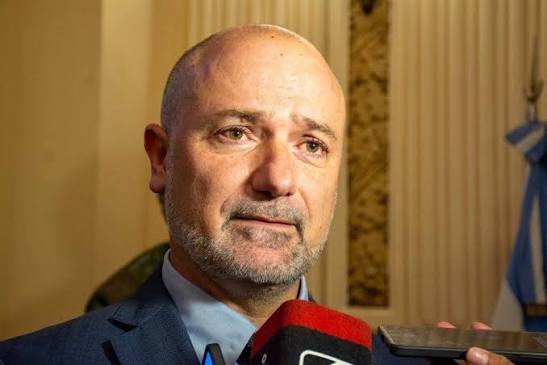
Mining Minister José Gómez defended the current legal framework and explained that 35% of royalties goes to the Quebrada and Puna fund, another 10% to municipal capitals and the remainder to the province. He also highlighted the jump in revenue: from about 200 million pesos in 2020 to 23 billion pesos last year, a scale that explains why mining has become central to Jujuy's public administration.
The productive dimension also played a key role. Gómez said the sector generates around 10,000 direct and indirect jobs, with impact on exploration, operations and services. At the same time, he clarified that mining cannot by itself solve the province's structural unemployment, although it can sustain formal jobs in regions where labor alternatives are more limited.
From the business sector, the concern is to prevent greater fiscal or regulatory pressure from making some projects unviable. The Jujuy Mining Chamber supported the call for transparency in the use of resources, but warned that even small changes in the economic burden can affect the feasibility of investments that still depend on exploration, financing and predictability.
The other critical point was the environment. Gómez said the Mining Ministry strengthened its technical capacity, with 141 inspections during 2025 and 64,000 kilometers traveled for control tasks. He also pointed to progress in the digitization of environmental reports and in water monitoring in the Olaroz-Cauchari basin, where companies would be using 43% of the available recharge.
The debate left a shared conclusion, although with different emphases: lithium can become a development platform for Jujuy only if it combines investment, local employment, state control and verifiable public information. The province's challenge is no longer just to attract projects, but to build an institutional framework capable of sustaining them without losing social legitimacy or economic competitiveness.