Entre Ríos has set in motion a major energy project for the center of the province: the electrical upgrade of the Viale region, with a planned investment of 25 billion pesos. The start act was signed during the events marking the city's 120th anniversary, tying a local celebration to a long-awaited infrastructure intervention.
The project seeks to address a demand that has built up over the years: ensuring enough electrical capacity to support the area's productive, industrial and urban growth. The work was presented as a basic condition for energy to stop acting as a limit on development and begin serving as a platform for new investment.
The technical intervention includes the construction of a 132 kV line connecting the Crespo station with Viale. That line will be joined by a new digital transformer station, with an estimated execution period of 600 days. The plan is intended to strengthen regional supply and respond to critical points in the electricity system.
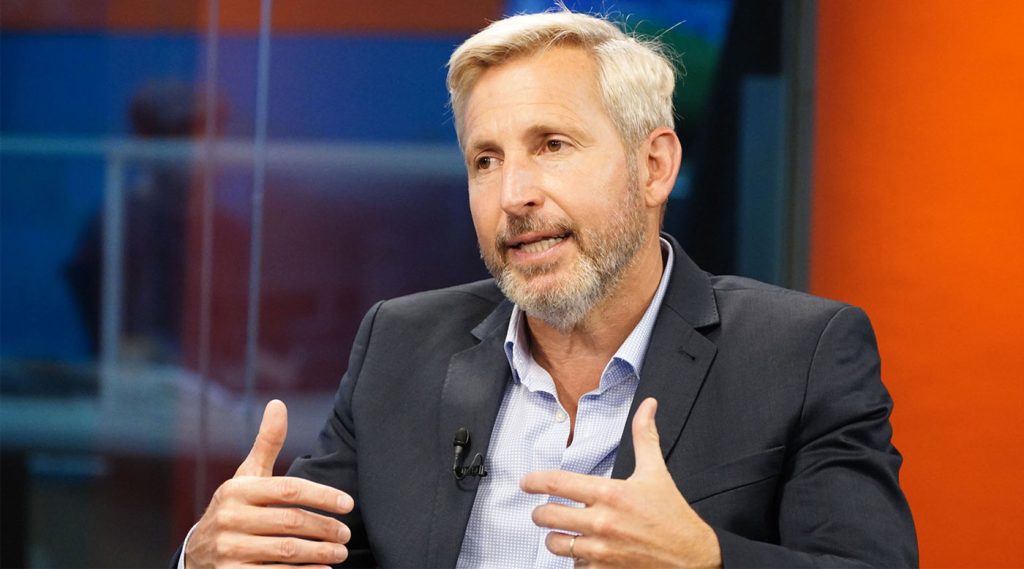
Governor Rogelio Frigerio argued that the province needs available and competitive energy to attract economic activity. Along those lines, he said energy costs must become an incentive for industrial location rather than a burden discouraging growth in Entre Ríos.
In Viale, Mayor Carlos Weiss emphasized that the project is part of commitments made to productive sectors in the area. He also linked the transformer station with other ongoing improvements, including road works between Viale and Arroyo Durazno, because of their expected effect on private employment, rural permanence and small and medium-sized producers.
From Enersa, Uriel Brupbacher explained that the work was selected as part of a review of critical points requiring significant investment. The provincial company will play a central role in carrying out infrastructure that combines higher-capacity power transmission with digital transformation technology.
The anniversary agenda also included the announcement of solar lighting for the town square. That detail rounded out a day in which Viale was linked to two levels of energy policy: a structural regional project and a close-to-home urban intervention for public space.