Chubut, Río Negro and Neuquén have agreed to proceed jointly with a new expansion of the Andean Patagonia gas pipeline. The plan includes added capacity, new compressor plants and an interconnection with the General San Martín pipeline. It was announced in Bariloche, where local network works will bring service to 980 families in six neighbourhoods.
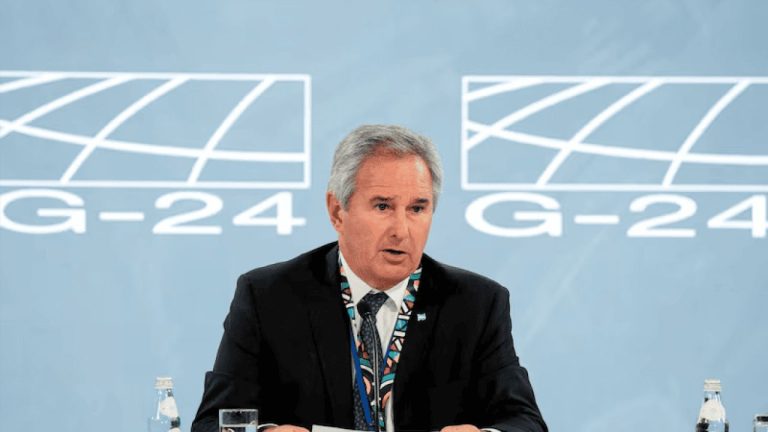
Ignacio Torres joined remotely with Neuquén governor Rolando Figueroa and accompanied Alberto Weretilneck during the presentation. The Chubut governor framed the decision as a shared Patagonian agenda: provinces that generate a substantial share of national energy still have isolated towns and homes without gas, a gap the three administrations intend to narrow through regional coordination.
The cooperation predates the event. Torres said the governments have worked together for two years and linked that process to gas feasibility granted to more than 12,000 families across the three provinces. That figure does not mean every connection is complete; it refers to capacity enabled by works and administrative steps along the corridor.
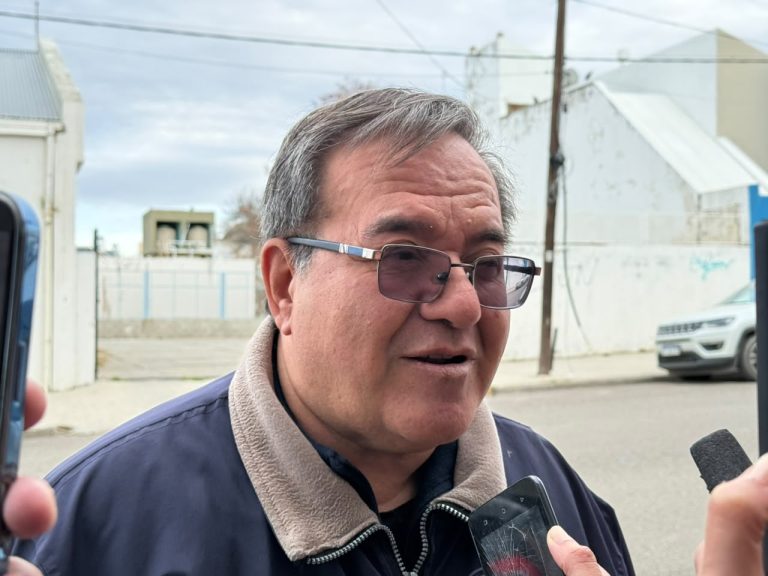
Financing was decisive. Weretilneck said the banks of Chubut and Neuquén made it possible to continue a project whose works had been halted by the national government. Provincial funding sustained construction from Comodoro Rivadavia to Bariloche and restored capacity to extend household networks in areas that had long awaited service.
Bariloche mayor Walter Cortés and Camuzzi president Jaime Barba also attended. The 980 families are the immediate visible result, but the agreement goes beyond those neighbourhoods: pipeline expansion, compressor plants and the San Martín link are intended to raise transport capacity at several points along the Patagonian Andes.
The next stage is to turn the political agreement into a technical schedule of expansions and connections. The provinces have defined joint work and shown a financing source that replaced halted national works. Progress will be measured through the Bariloche household connections and the gradual addition of capacity needed to bring gas to more communities along the Andean system.