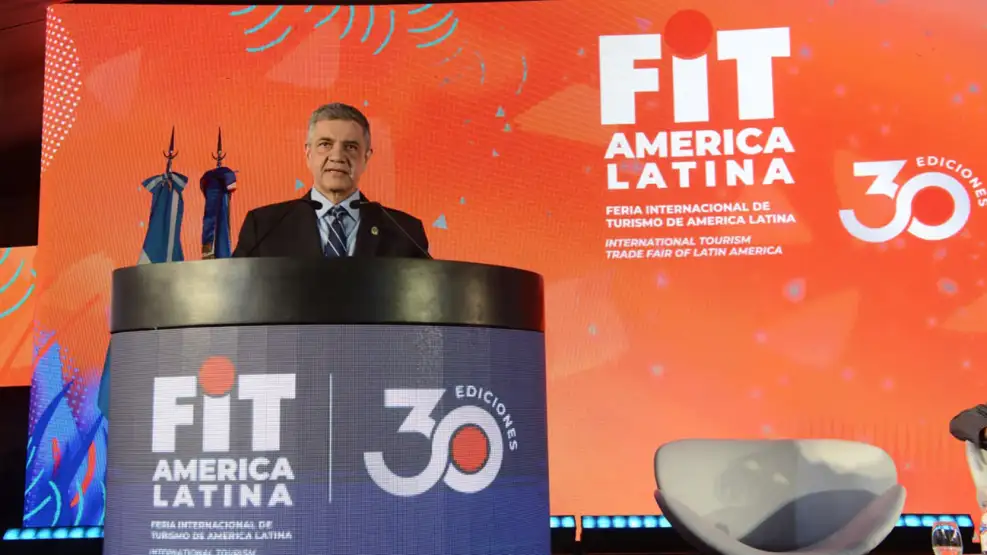
The Buenos Aires City government will waive the Lighting, Sweeping and Cleaning tax, known as ABL, for hotels, restaurants and bookstores during the first half of 2027. Jorge Macri announced the measure at the opening of the International Tourism Fair at La Rural and described it as a reduction in costs for strategic urban activities.
The benefit will cover roughly 7,000 food-service businesses, 380 bookstores and hundreds of hotels. The city did not announce the total fiscal cost or the administrative procedure, but it defined the sectors and the initial six-month period. Implementing rules must clarify which ABL components are included and how each taxpayer's main activity will be verified.
Macri linked the decision to the goal of consolidating Buenos Aires as a national and international tourism hub. He said tourism creates value, jobs, experiences and services that spread across the urban economy. The policy combines hotels and restaurants, which directly serve visitors, with bookstores as part of the city's cultural offering. The decision was presented to tourism and restaurant business representatives, sectors that plan costs in advance because of seasonal bookings, events and consumption.
He cited 1.6 million international arrivals to Argentina between January and July, 19% more than in the same period of 2025. The figures were presented at the thirtieth edition of the fair. The source does not specify how many travelers visited the city, although the administration used the national trend to support local relief.
The mayor framed the exemption as a way to reduce the burden on businesses that invest and create jobs. It is not a permanent abolition of ABL but a measure limited to six months. That time limit will allow the city to observe its effect on business costs and tax revenue before considering any extension.
Macri said the relief was made possible by administrative spending reviews. He referred to the removal of 9,000 positions, 359 management posts and contracts with 40 dining facilities he described as nonexistent, with an annual cost above 16 billion pesos. These are official claims that can later be compared with budget execution.
Officials responsible for economic development, tourism, sports and international relations joined the announcement, including Hernán Lombardi, Valentín Díaz Gilligan, Fabián Turnes and Fulvio Pompeo. Their presence reflected the cross-departmental approach. For beneficiaries, the immediate question will be the actual saving according to each property's assessment.
Next steps include publication of the regulation, the application procedure and the exact register of eligible taxpayers. The aggregate budget impact and any conditions tied to continued activity or employment also remain unknown. For now, the announcement establishes relief for the first half of 2027 while leaving implementation and oversight details open. The rule must also state whether the benefit will be automatic or require registration and how mixed-use properties will be treated.