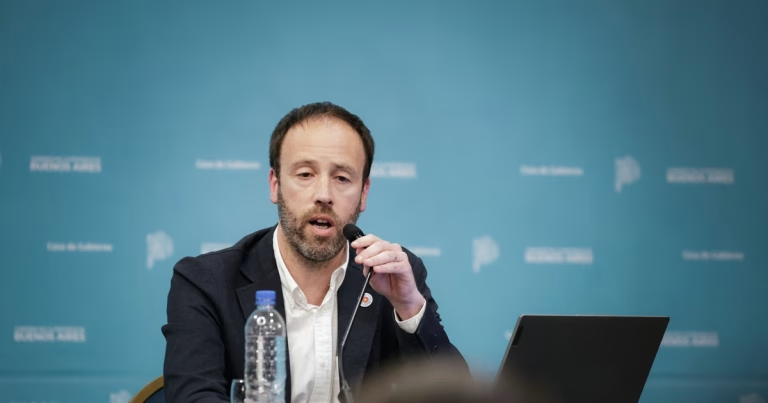
Misiones again brought business leaders together to discuss how to sustain activity amid weaker consumption, financial stress and rising costs. Finance Minister Adolfo Safrán said the provincial response should combine credit, reduced bureaucracy and a permanent channel with the private sector. The meeting focused on operating problems rather than a single package.
Safrán acknowledged that many firms face weak demand and that consumers increasingly use digital platforms when local shops lack products or competitive prices. The diagnosis goes beyond finance: firms also need commercial capabilities, logistics, digitalization and access to new markets.
One pillar is administrative deregulation. Safrán said municipalities and the province should review requirements that delay construction, expansion and new ventures. Simplification can lower costs, but it must distinguish redundant bureaucracy from necessary safety, environmental, urban and consumer protections.
The second pillar is financing. Safrán cited a Banco Galicia zero-rate check-discount agreement for the yerba sector, Banco Macro credit lines and capital-market alternatives. He also mentioned invoice-payment tools with terms up to 180 days. The challenge is reaching SMEs rather than only financially stronger firms.
Adolfo Safrán is therefore acting as broker of a policy that seeks to sustain working capital without relying only on fiscal subsidies. That can be more sustainable if credit supports viable activity instead of postponing insolvency. The government should publish amounts, rates, beneficiaries and sectors.
Business representatives asked for a permanent channel with the province. Such a table can separate short-term weakness from structural problems. Falling consumption requires immediate relief, while competitiveness, training, connectivity and market access need longer policies.
Municipal coordination will also matter. A company can receive provincial credit yet remain blocked by local permits or infrastructure. Deregulation should therefore include time standards, one-stop procedures and digital monitoring while respecting local autonomy.
The next step is turning dialogue into a dashboard of measures, responsibilities and deadlines. Misiones needs to know which tools actually preserve jobs and production. If Safrán combines accessible credit, simpler procedures and market support, the strategy can cushion the downturn and build recovery capacity.