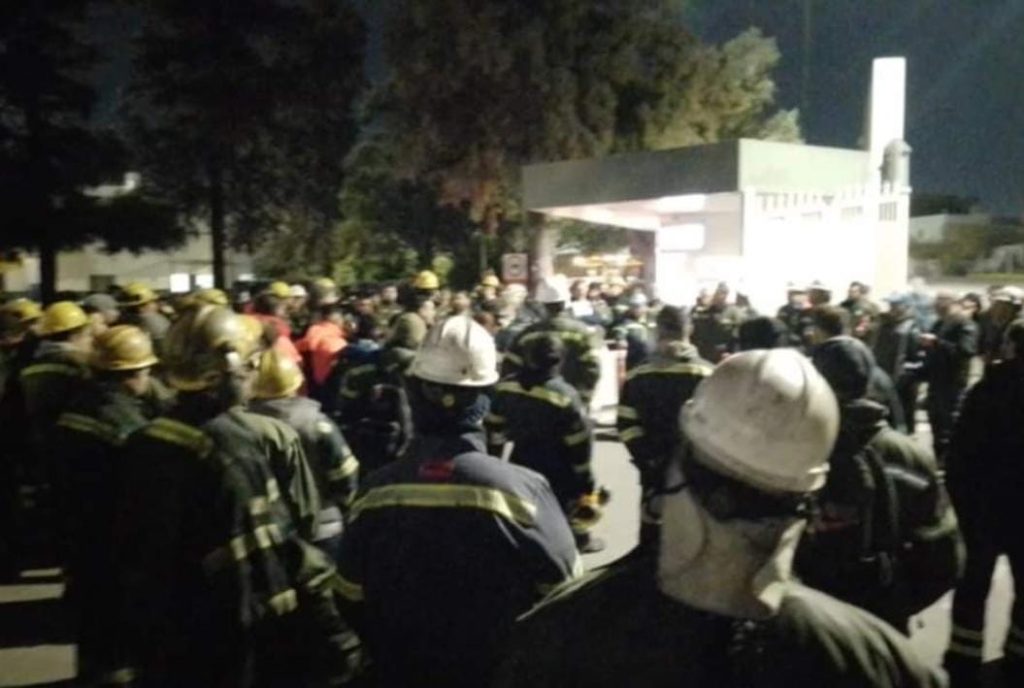
The industrial dispute at SIAT Tenaris entered a more serious stage just hours before mandatory conciliation was due to expire. The Techint group company sent dismissal notices to 14 additional permanent employees at its Valentín Alsina plant in Lanús. The action followed the 150 terminations announced in late June and took place while the intervention ordered by the Buenos Aires Province Labor Ministry at the metalworkers' union's request was still in force.
Union delegate Dylan Paz emphasized a distinction that changes the nature of the dispute. The initial departures had been presented as contracts that were not renewed, an interpretation the union also contests; the new cases, however, directly affect permanent staff. The Avellaneda branch reported the developments to the ministry, leaving the labor authority to assess financial penalties or possible lawsuits.
The accumulated cuts would bring the workforce reduction close to 50 percent, while the factory is operating at roughly half of its capacity. Paz said small orders from oil companies do appear, but with no guaranteed continuity. The available activity does not restore the lost workload, and the expiration of conciliation on Friday leaves the union facing the possibility of beginning a protest plan.
The plant's crisis is linked to the supply of pipes for the new pipeline between Vaca Muerta and Golfo San Matías. Javier Milei said Techint's offer was 40 percent more expensive than that of Indian competitor Welspun Corporation. The tender deepened the President's confrontation with Paolo Rocca, whose previous relationship with the government had included providing executives for public positions, among them Horacio Marín at YPF.
The company attributes the crisis to declining activity and a shortage of orders. Workers add another factor: the Large Investment Incentive Regime allows duty-free imports of inputs and capital goods and, in their view, harms domestic production. SIAT finishes the seamless pipes manufactured in Campana and had played a central role during construction of the President Néstor Kirchner Gas Pipeline in 2022 and 2023.
According to the union's account, the loss of the new supply contract and the opening to imports left the plant without its main source of work. The next step no longer depends only on the company and the union: with conciliation in its final stage, the provincial Labor Ministry must decide how to respond to the 14 notices sent while it was in force. If the layoffs are not reversed, workers are preparing measures to try to stop cuts that now affect permanent staff.