SAMEEP will carry out an intervention at the Estación de Bombeo 7 of Presidencia Roque Sáenz Peña between Thursday, August 13, and Saturday, August 15, to advance the final configuration of the Segundo Acueducto. The task will require stopping pumping for a few hours along the Barranqueras–Sáenz Peña route, but the company clarified that this technical maneuver does not equate to an automatic domestic cut.
The main work will consist of removing a temporary high-density polyethylene connection, 700 millimeters, and permanently linking the station's cistern to the trunk pipe made of fiberglass-reinforced plastic, 900 millimeters. The difference between the two sections creates a hydraulic restriction that the project aims to eliminate to improve the flow and overall functioning of the system.
Accuracy about the supply is important. During the intervention, the pumping of the aqueduct will be interrupted, while the availability of water in each locality will depend on its reserves and the particular conditions of distribution. Therefore, the official communication does not guarantee that all users will remain completely unaware of the maneuver: it distinguishes between the scheduled stoppage of the trunk infrastructure and a direct cut of the service in homes.
The upgrade will progressively benefit Avia Terai, General Capdevila, Gancedo, Concepción del Bermejo, Pampa del Infierno, Los Frentones, Campo Largo, Corzuela, Las Breñas, Charata, General Pinedo and Hermoso Campo. Once the connection is complete, the system will have to go through the pressurization and stabilization times of the pipe before returning to normal operation.
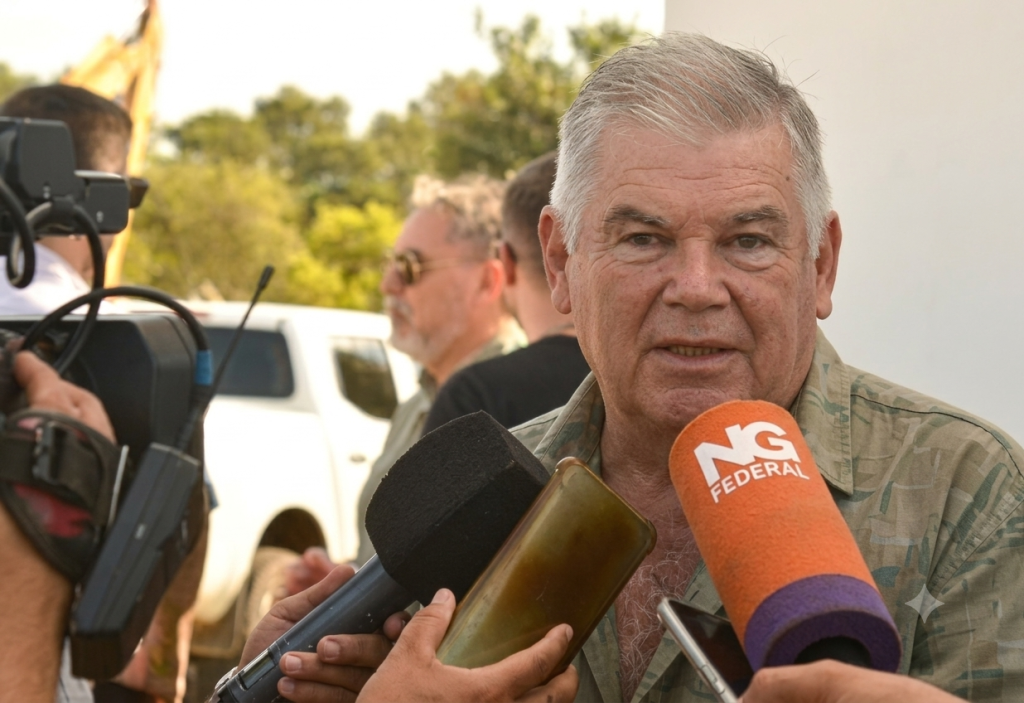
The president of SAMEEP, Nicolás Diez, presented the intervention as a necessary step to better utilize the capacity of the main pipeline. He also anticipated that a project of this scale requires successive and planned tasks, so new temporary pumping interruptions could occur as the commissioning progresses. The coordinator of Zone II, José Martín, focused the technical explanation on the replacement of the provisional connection.
The immediate expected result is not a completed expansion of the entire aqueduct, but the elimination of a specific hydraulic bottleneck at Station 7. The schedule sets three days of work and then a gradual normalization, conditioned by the stabilization of the network. The next stages should inform with the same advance notice which pumping sections will be stopped and what reserves each local system will have during the new interventions.