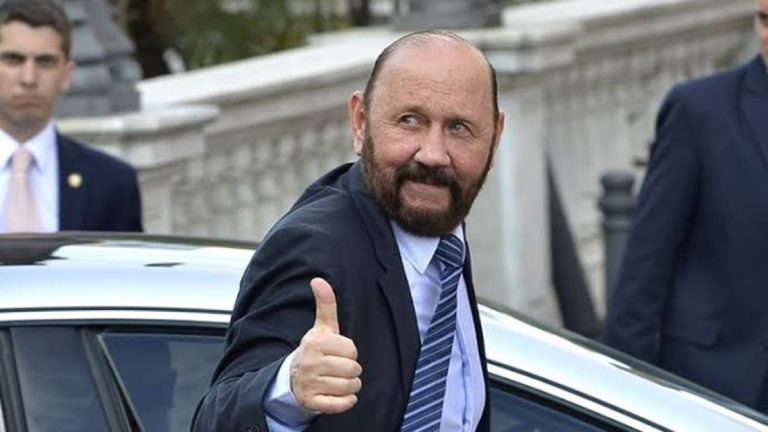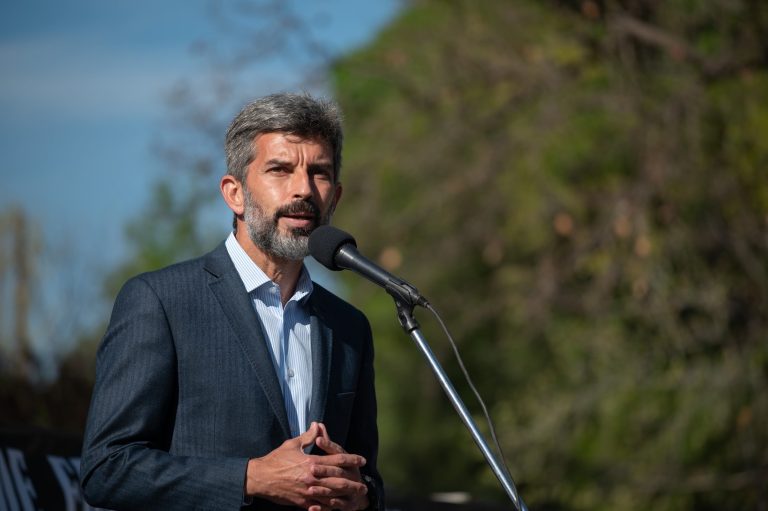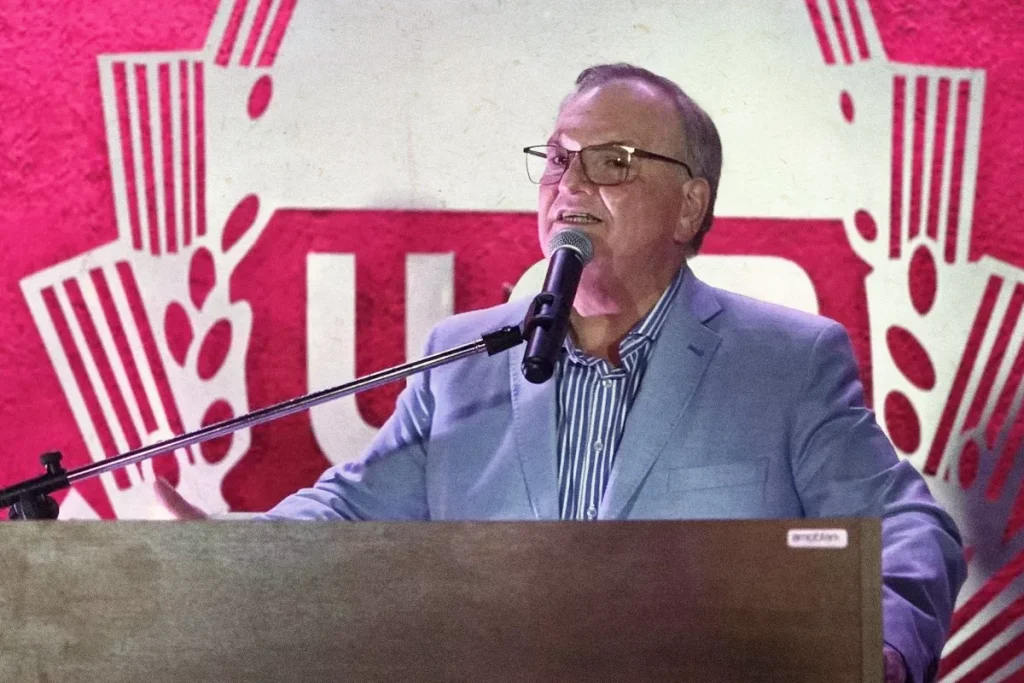
The Nuevo Espacio Organizado turns eleven years old with several of its leaders in central positions of Santa Fe. The internal group of the Radical Civic Union, known as NEO, was born with Carlos Fascendini, Felipe Michlig, and Maximiliano Pullaro as references. Its distinctive feature was a structure supported by intendancies, communes, and leaders from the interior, outside the traditional centers of Santa Fe and Rosario.
Fascendini contributed his experience as mayor of Esperanza, legislator, minister, and lieutenant governor. Michlig developed his base from San Cristóbal and consolidated a prolonged career in the provincial Senate. Pullaro, originally from Hughes, combined student activism in Rosario with political roots in the south. The public presentation of NEO in 2015 included the presence of socialist leaders such as Miguel Lifschitz and Antonio Bonfatti.
During the stage of Frente Progresista, the space expanded its legislative and municipal network. Pullaro assumed the Ministerio de Seguridad and formed a team that later held relevant positions, including Gustavo Puccini, Pablo Cococcioni, Juan Cruz Cándido, Luis Persello, Silvana Di Stefano, and Julia Tonero. Fascendini's office functioned as a regular coordination point among the main referents.
The provincial defeat of 2019 reordered that structure. Pullaro returned to the Chamber of Deputies, Michlig continued leading the radical bloc in the Senate, and Fascendini left political activity. After Lifschitz's death, NEO became linked with Evolución, the national current led by Martín Lousteau. In 2021, Pullaro competed in the primary for national senator and came behind Carolina Losada.
The next step was to bring together the radicalism and build a front with socialism, the PRO and other parties. Pullaro won the governorship in 2023 and obtained a majority in both chambers. Michlig went on to preside provisionally over the Senate and became first in the line of succession when Gisela Scaglia left the Vice Governorship to assume a position in Congress. Diego Maciel was appointed to join the provincial Court in September.
The review shows how a group that emerged from the interior turned territorial presence into executive, legislative, and judicial capacity. Its members coexist within Unidos with other radical, socialist, and allied currents, so that concentration does not equate to a single political structure. The assessment is an interpretation of eleven years of accumulation: NEO today occupies decisive positions, although its power also depends on the provincial coalition.