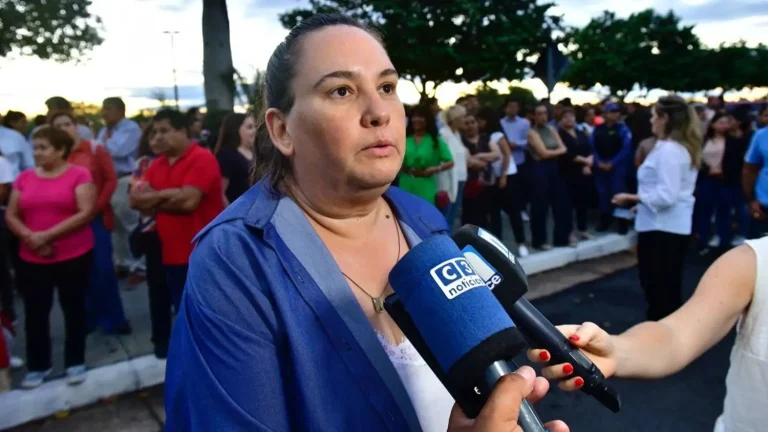
Gabriela Neme announced that she will appeal a decision by the Clorinda judiciary barring her from making statements or publishing material connected with Ian, an 11-year-old child subject to protection-system intervention. The lawyer and political figure described the order as prior censorship and argued that it prevents scrutiny of the agencies involved. The judicial measure, however, seeks to protect a minor's privacy and image. The dispute therefore requires a distinction between institutional criticism and disclosure of information that could harm the child.
The order covers public communications about the case while controversy continues over where the child should remain and his relationship with his mother, Elena. Neme said she would use the available procedural appeals. Although she rejected the obligation imposed on her own public activity, she advised the mother and lawyer Ethel Ailín Narváez to comply while challenges are pending. That distinction aims to prevent further consequences for the parties directly involved in the proceedings.
Neme argues that protecting a child's identity should not eliminate the right to report alleged irregularities or prevent oversight of judges, advisers and care arrangements. She invoked Law 26.061 and international child-rights treaties to argue that Ian must be heard. Those rules require his best interests to prevail, but they do not alone determine the concrete outcome. The court must weigh his voice, safety, privacy, family environment and care conditions.
The lawyer challenged the child's institutional placement and said such a measure should be exceptional, limited and temporary. According to her account, Ian expressed a wish to remain with his mother and described mistreatment in the institution. Those statements are part of the dispute and require investigation; they are not judicially established facts. The mother says she can care for him, while the agencies adopted decisions Neme views as disproportionate. The proceedings must establish which risks were assessed and which family alternatives were considered.
The case became more complex after incidents led police to accuse Neme, Elena and Narváez of alleged resistance, damage and injuries. Neme rejects those allegations and links them to her intervention on behalf of the child. Like the claims about institutional treatment, the charges must be resolved through evidence and due process. Presenting either side as certain would anticipate a conclusion that does not yet exist. Parallel inquiries demand particular caution in public language and in protecting those involved.
The court faces a difficult legal tension. An overly broad ban may restrict freedom of expression, defence rights and scrutiny of state agencies. Unrestricted disclosure may identify the minor, fix irreversible versions of his life and turn the case into a media contest. A proportionate response should distinguish personal information, legal opinions, formal complaints and facts necessary to explain institutional conduct. It should also define duration, scope and bound parties so the restriction does not become indefinite.
The case also shows the need for effective institutional channels through which a child can be heard without exposure. Specialised interviews, proper representation and periodic review of protective measures should allow his wishes to be considered with technical reports. The family needs reasons and rapid remedies. Officials, in turn, must answer any mistreatment allegation without disclosing sensitive information. Publicity can support accountability, but it cannot replace professional investigation or a reasoned judicial decision.
The appeal is the next concrete step. A reviewing court must decide whether to uphold, narrow or lift the prohibition and under what safeguards the case may be reported. In parallel, the judiciary must clarify the cross-complaints, review Ian's situation and determine a care arrangement consistent with his rights. Until final rulings exist, allegations must remain attributed and the child's identity protected. The objective should be neither to silence nor amplify the conflict, but to resolve it without adding harm.