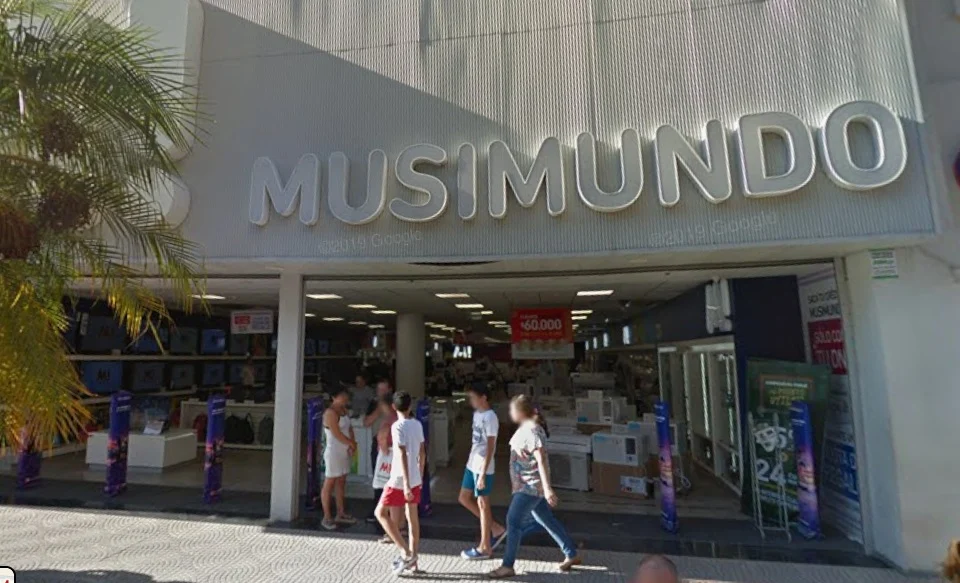
The Musimundo branch in Eldorado closed and left six workers unemployed who had up to 25 years of seniority. The closure was permanent for that Misiones location, although it does not imply the national disappearance of the brand or the closure of all its provincial operations. The situation is known while other Posadas branches go through an internal reorganization with no confirmed layoffs at the time of publication.
The conflict was aggravated by the method of payment of the compensations. According to the labor complaint published, the company proposed to pay them in 12 installments, but the first scheduled date passed without the disbursement being made. That statement should be cross-checked with individual agreements, receipts, and actions before the labor authority. The seniority of those affected makes the amount, the update, and the guarantees of compliance especially relevant.
Musimundo operates through licensee companies with distinct regional structures. CARSA S.A., linked to operations in the northeast, initiated during 2026 a preventive creditors' proceeding before a civil and commercial court of Resistencia. The proceeding seeks to organize debts and maintain activity under judicial supervision; it does not automatically equate to bankruptcy. The exact legal relationship between that case and each branch must be verified before attributing obligations to the brand in general. Identifying the registered employer of the six dismissed employees will be key to determining who must be responsible for the payments.
In Posadas no specific layoffs were communicated, but the staff remains on alert due to task changes and a possible future reduction. The existence of a reorganization does not allow us to assert that there will be new dismissals. Any projected number should be treated as a hypothesis until there are telegrams, minutes, or a verifiable company communication. It does show that the contraction is not limited to Eldorado and that the company is reviewing its entire provincial structure. In Corrientes, where it also has premises, the unions are monitoring the situation for the possible regional effect of the same process.
The appliance trade depends on consumer credit, the evolution of real income, and the cost of financing inventories. A drop in sales can quickly deteriorate liquidity because the products have high values and uneven turnover. Installment promotions and the risk of default also affect the recovery of the invested capital. The closure of Eldorado occurs in that context, but no branch-level financial statements, sales figures, rent, stock, or local debt were published. Therefore, it is not appropriate to assign a single cause without business documentation.
For Eldorado, six jobs represent accumulated experience and attention capacity that disappear along with the point of sale. There are also issues for customers with warranties, payment plans, withdrawals, or pending services. The company must provide information on alternative channels and the operator's responsibilities. The national site was under maintenance and offered differentiated contacts for Chaco, Corrientes, Formosa, and Misiones, signaling a regional organization that could affect consumer response. The closure also forces inquiries to be transferred to other cities or remote channels whose capacity was not detailed.
The follow-up must verify the payment of the twelve installments, any administrative or judicial claims, the destination of the inventory, and the continuity of after-sales service. In Posadas, rumors, operational changes, and actual decisions must be separated. It will also be necessary to observe the evolution of CARSA's bankruptcy proceedings: opening, verification of claims, proposal, and possible agreement. The closed fact is the closure of the Eldorado store and the loss of six positions; the rest remain open. That precision prevents turning the regional alarm into a general shutdown of Musimundo, but keeps visible the reported compensation breach and the uncertainty of the workers who remain active.