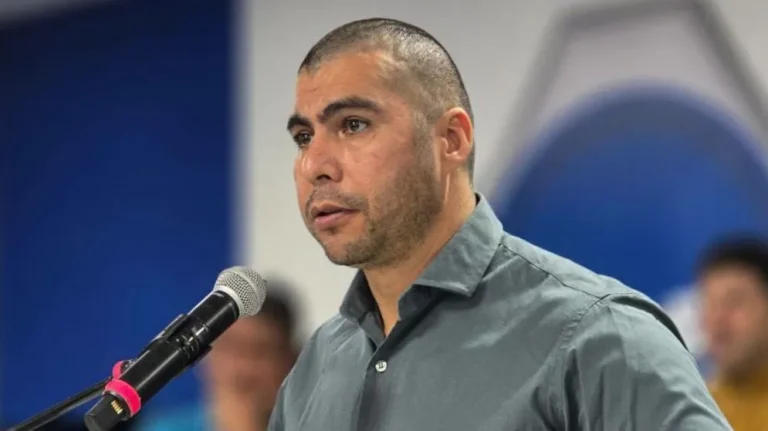
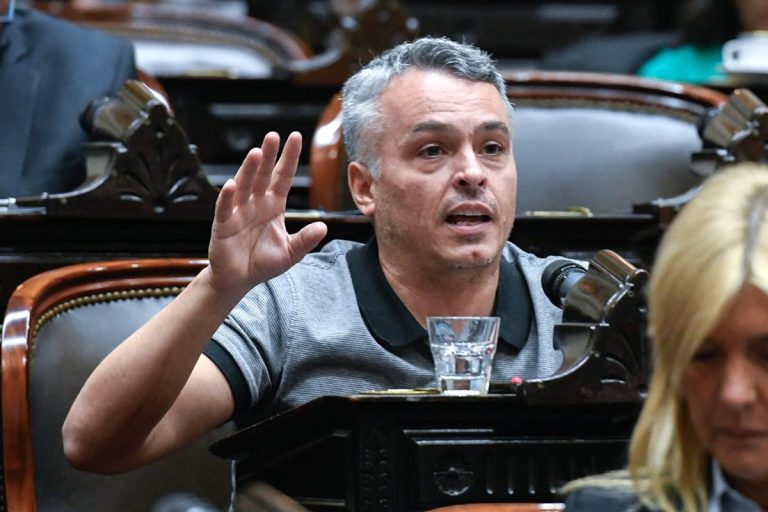
Matías Gvozdenovich will leave the presidency of the Radical Civic Union caucus in Córdoba's Legislature after taking charge of the provincial party. The move is intended to prevent him from holding two leadership posts and allow him to focus on internal reorganization and Rodrigo de Loredo's provincial project. A successor could be chosen at the next session of the unicameral legislature.
De Loredo supported the decision, opening a succession contest inside the caucus. The three names under discussion are Alejandra Ferrero, Fernando Luna and Mauricio Jaimes, politicians with different territorial bases and internal positions. Choosing the new leader will be more than an administrative matter: it will shape the UCR's opposition to Governor Martín Llaryora and the balance between the capital and the interior.
Ferrero is among the most visible options. She is close to De Loredo and has maintained a confrontational line toward the provincial government. In recent weeks she had to address the case of a caucus adviser accused of abusing a minor; the allegation concerns the adviser, and the source reports no charge against the lawmaker. Her supporters say the episode does not remove her from consideration.
Luna, who represents Cruz del Eje, offers continuity with the outgoing leadership. Gvozdenovich managed relations with different caucuses while retaining an opposition role, and that combination is presented as one of Luna's advantages. Jaimes, a Calamuchita representative, is also in the race, although he faces resistance in his own area and initially appears to have less support.
The choice may revive the traditional tension between lawmakers from Córdoba city and representatives from the interior. A Ferrero presidency would signal a harder line toward the provincial establishment; a Luna leadership would suggest continuity and parliamentary negotiation. Neither possibility had been formalized at publication, so the three-way contest remains open.
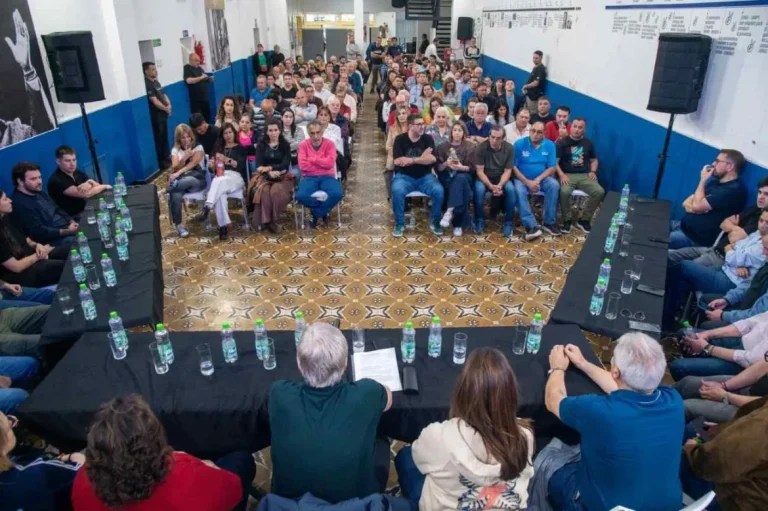
The legislative change comes as Gvozdenovich seeks to reorganize the party. He will call a provincial committee meeting to advance changes to the charter, secure authority to negotiate a broad alliance and consider sanctions against figures the new leadership views as disloyal. The plan is designed to strengthen De Loredo's candidacy but faces resistance from several Radical sectors.
Ramón Mestre, Juan Jure, Carlos Brinner and Dante Rossi are demanding an open primary to select 2027 candidates. Mestre rejects aligning the UCR with La Libertad Avanza and says the party must compete with its own program. Brinner and Rossi invoke the party charter to call for participation by members and independent voters while continuing their own organizing efforts.
The next steps are the election of a new caucus leader and the provincial committee meeting. The two decisions are connected: one will determine day-to-day legislative leadership and the other the rules for alliances and nominations. Until votes occur, Gvozdenovich remains caucus president and the three possible successors remain under consideration in an internal dispute that his party victory did not close.