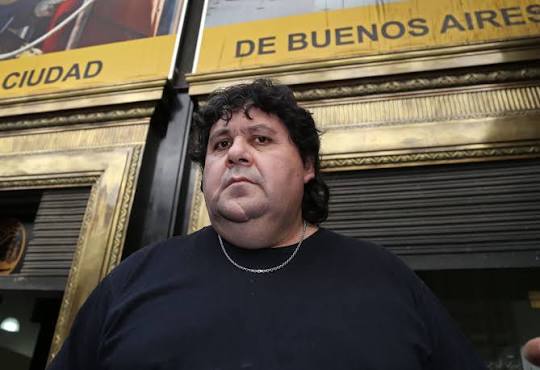
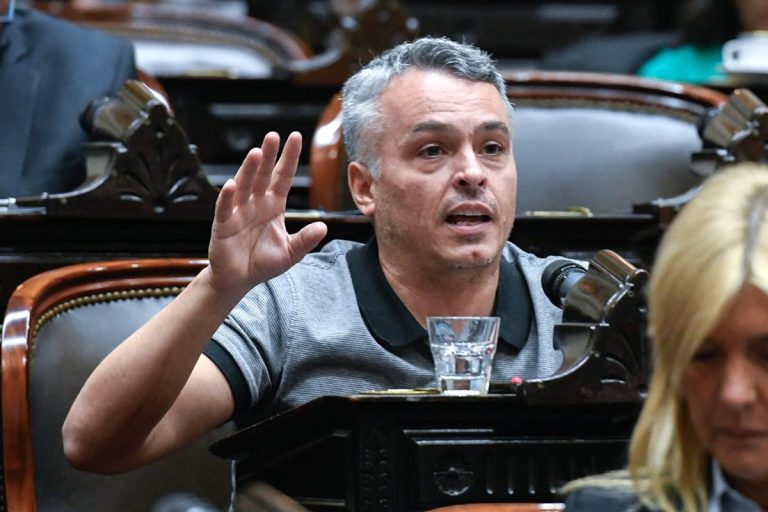
Juntos Somos Río Negro has begun organizing its 2027 strategy around two possible continuities: a reelection bid by Governor Alberto Weretilneck and another term for Cipolletti Mayor Rodrigo Buteler. Over a longer horizon, the plan also includes the possibility of positioning Buteler as a provincial successor for 2031. Formal talks on names and candidacies are expected before the end of the year, so neither bid has yet been officially confirmed.
The calendar is central to the design. The provincial ruling party is considering early elections held separately from the national contest. Internal references point to a possible date between late March and early April, although there is still no call or fixed day. Regulations require the election to be formally convened ninety days in advance, meaning the decision must be made several months beforehand and then translated into an electoral decree.
Another option under review is to vote first for governor and leave most municipal elections for later. Río Negro has a history of separate election dates, and the province may choose whether cities vote on the same day. For JSRN, separating the two rounds would focus the initial debate on provincial management and limit the ability of opposition forces to build local alliances through mayoral and council candidacies. That partisan preference has not yet become an official decision.
The planning is shaped by the 2025 national legislative result. In that election, Peronism won the Senate segment and La Libertad Avanza prevailed in the Chamber of Deputies contest, while JSRN secured no seats. The provincial party argues that the race was nationalized and that a gubernatorial election will bring different issues and actors to the foreground. That interpretation informs its strategy, but it does not determine how voters will respond in 2027.
Weretilneck and Buteler maintain that management will be their main campaign tool. The Cipolletti mayor was named president of JSRN with the governor's backing, a move that strengthened his position in the party structure. The line now holding the greatest internal consensus is for each man to seek continuity in his current jurisdiction and postpone the succession discussion. The party is thereby trying to avoid an early contest between its leading figures.
The opposition landscape also affects the calculations. María Emilia Soria has already stated her intention to run for governor from Peronism. Aníbal Tortoriello and Enzo Fullone appear in the libertarian space, while negotiations continue to coordinate La Libertad Avanza with the PRO and smaller forces. The presence of several names and unfinished agreements describes a map still being formed; it does not establish who will head every ticket or predict an election that has not yet been called.
At the same time, the provincial government combines electoral differentiation with management agreements. Weretilneck maintains links with the national government, with Diego Santilli as an interlocutor, on issues such as roads and exports related to Vaca Muerta. Locally, Buteler criticized libertarian sectors that voted against temporary financial compensation for municipalities experiencing demographic and economic changes, including Cipolletti. These episodes show a relationship of selective cooperation and political competition.
Before provincial decisions are made, Bariloche will provide an initial milestone in November, when voters choose convention delegates to reform the municipal charter. Formal JSRN talks, a decision on separate dates and finally an election call respecting the legal deadline will follow. Until then, the Weretilneck-Buteler formula is an internal orientation rather than a confirmed ballot. The sequence, opposition alliances and final candidacies all remain open.