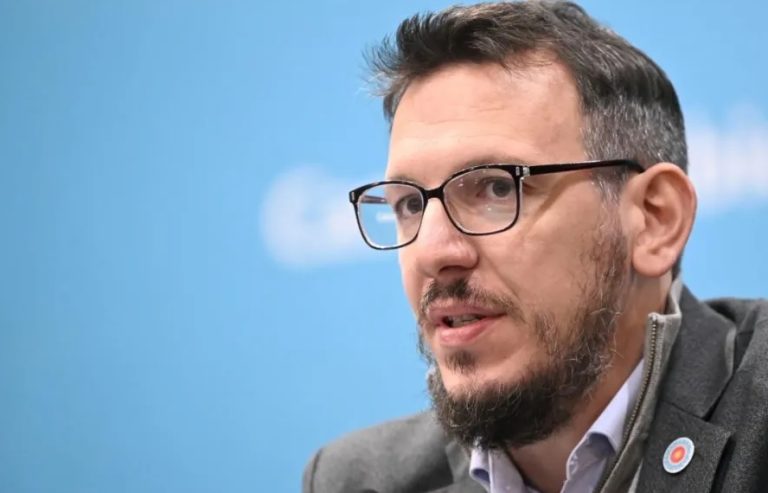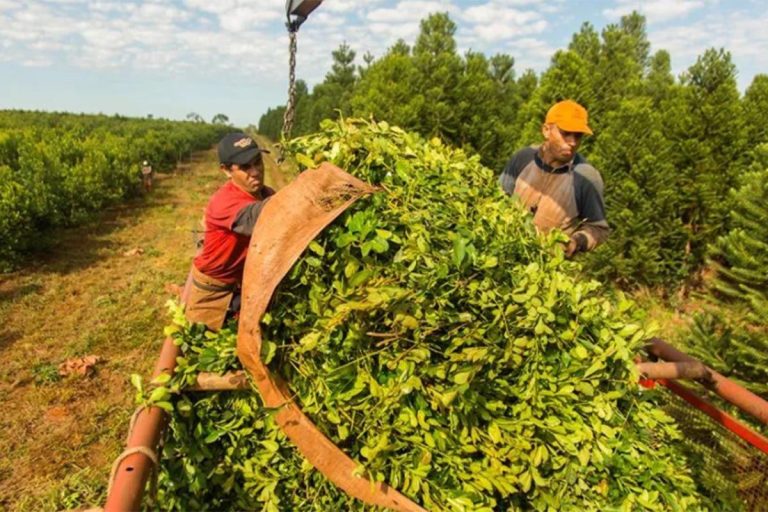
Sugarcane burning returned to the center of Tucumán's productive debate following a proposal by Alejandra Pistagnesi. The specialist pointed out that the crop supports a decisive part of the provincial economy and that the use of fire, incorporated into the system over the years, has become a limitation for competing in markets with higher environmental demands.
Its diagnosis relates sustainability and commercial access. Buyers demand processes capable of demonstrating better practices and lower impact, so producing without fire would cease to be solely an environmental issue and would become part of competitive conditions. The statement expresses a sectoral perspective; it was not accompanied by a new standard or a unique requirement applicable to all destinations.
The transition involves modifying management, organization, and harvesting routines. Eliminating burning requires alternatives that allow for the removal or management of residues, coordination of machinery, and maintaining efficiency at different production scales. The communication does not specify what technology would be used, how much adaptation would cost, or what support small and medium sugarcane producers would need.
Pistagnesi summarized the challenge as the need to produce without fire to avoid being excluded from the markets. The phrase serves as a warning about a trend and seeks to challenge the entire chain. Its real impact will depend on the requirements of each buyer, the available traceability, and the ability of Tucuman actors to demonstrate changes.
The economic weight of sugarcane makes any processing exceed the lot. It involves producers, contractors, mills, workers, transportation, and authorities responsible for prevention and control. An effective transition requires these links to coordinate timing and responsibilities. The proposal circulated raises the question, but does not present an agreed program among them.
The concrete fact is the establishment of a debate on competitiveness and sustainability on the main network in Tucumán. The proposed direction is to reduce and abandon fire; the schedule, incentives, monitoring, and necessary technical assistance remain undefined. The discussion does not deny the historical importance of the system, but it warns that the new market conditions may make its sustainable productive transformation urgent and necessary.